


Listen to the article
Gas Price Surge Expected to Drive Inflation to Highest Level Since 2022
Economists anticipate a significant jump in U.S. inflation when the government releases its March consumer price report on Friday, primarily driven by soaring gasoline prices that rose approximately 20% during the month.
Inflation is forecast to reach 3.4% year-over-year in March, a sharp increase from February’s 2.4% figure, according to economists surveyed by FactSet. On a monthly basis, prices are expected to have climbed 0.9% from February to March, which would mark the largest monthly increase since 2022.
“There is going to be a headline sticker shock here,” said Michael Metcalfe, head of macro strategy at State Street. The company’s PriceStats inflation measure, which analyzes millions of online prices, suggests inflation could leap by as much as 1.5% in March alone.
Core inflation, which excludes volatile food and energy prices, is projected to have risen 2.7% from a year earlier, up from 2.5% in February. The anticipated monthly core price increase of 0.3% remains above the pace consistent with the Federal Reserve’s 2% inflation target.
The surge in gasoline prices, which averaged $4.17 per gallon nationwide on Thursday – up 69 cents from a month earlier – threatens to strain household budgets. Most Americans have limited flexibility to change their daily driving patterns in the short term, meaning higher fuel costs will likely force cutbacks in other areas of consumer spending.
This inflation spike differs significantly from the post-pandemic price surge of 2021-2022, when inflation peaked at 9.1% in June 2022. During that period, COVID-disrupted supply chains combined with stimulus-fueled consumer demand to drive broad-based price increases across multiple sectors.
“That’s where this really differs, is that we aren’t seeing anywhere near the strength of demand,” explained Alan Detmeister, an economist at UBS. “In 2021 and 2022, income growth was increasing really strongly. We aren’t seeing that now.”
Detmeister suggests the current situation more closely resembles 1990-91, when higher oil and gas prices following Iraq’s invasion of Kuwait contributed to a recession without triggering sustained inflation, partly due to weaker consumer spending.
Economists expect that in March and April, the impact will primarily affect energy-intensive industries such as airlines, package delivery services, and public transportation. The U.S. economy has become significantly less dependent on oil and gas than in previous decades, potentially limiting broader economic damage.
Nevertheless, the anticipated inflation spike has already altered the Federal Reserve’s policy outlook. Earlier this year, the Fed had expected to implement multiple interest rate cuts, but a growing number of Fed officials now appear willing to consider rate hikes if core inflation remains elevated.
Most analysts anticipate the Fed will keep its key interest rate unchanged at about 3.6% in coming months as policymakers evaluate economic conditions. Financial markets have pushed back expectations for rate cuts, with investors now anticipating the Fed will hold rates steady until late 2027.
The Fed faces a particularly challenging policy dilemma, as higher gas prices can simultaneously fuel inflation while dampening economic growth and consumer spending. Typically, the Fed would cut rates to stimulate spending if unemployment rises, but raise rates to combat inflation – conflicting imperatives if both trends emerge simultaneously.
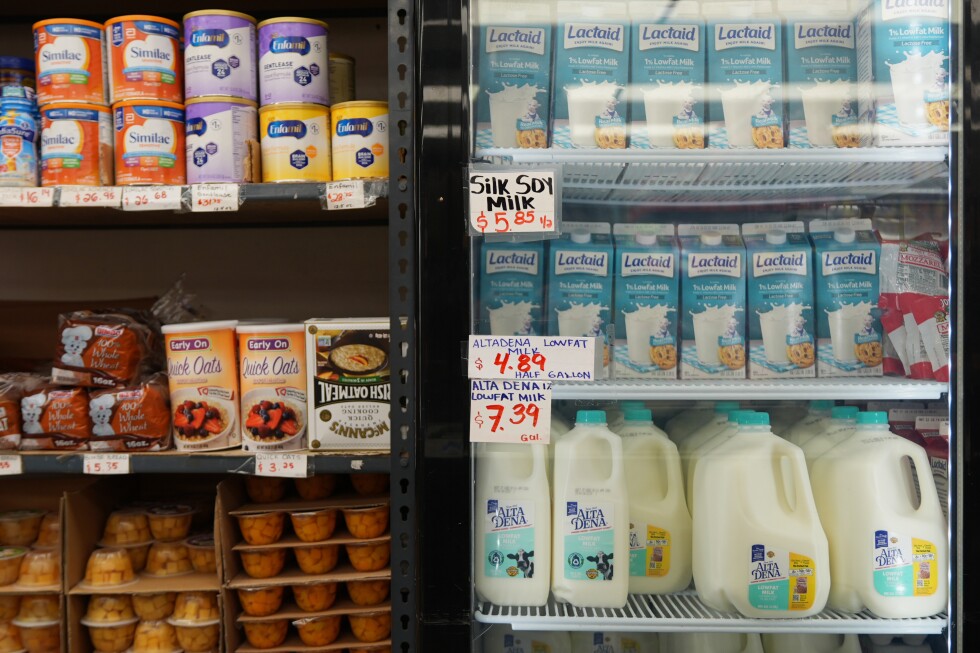
The impact of higher fuel costs may soon extend beyond the gas pump. Food prices, which have already risen approximately 25% since the pandemic began, could face additional upward pressure in coming months. Nearly all groceries are transported by diesel-powered trucks, and diesel fuel prices have climbed even more sharply than regular gasoline, though analysts expect the full impact on food prices may not materialize for another month or two.
As policymakers, businesses and consumers navigate this challenging economic landscape, the duration of elevated energy prices will largely determine whether this represents a temporary inflation shock or the beginning of a more persistent pricing problem.
Fact Checker
Verify the accuracy of this article using The Disinformation Commission analysis and real-time sources.

9 Comments
Interesting to see how much of an impact the Iran situation could have on inflation. The surge in gas prices is certainly a major factor, though core inflation also seems to be ticking up. It will be important to monitor how the Fed responds to this.
Soaring gasoline prices are definitely going to be a headache for consumers, though it’s good that core inflation remains relatively contained. I wonder if this will prompt the Fed to be more aggressive with rate hikes to try to cool things down.
This is definitely going to be a challenging period for the US economy. Surging inflation, particularly in energy prices, is going to put a real strain on consumers. The Fed will need to act decisively, but without risking a recession. It’s a fine line to walk.
Wow, a nearly 4-year high in inflation – that’s quite a jump. The Fed will really have their hands full trying to rein this in, especially with the volatility in energy prices. I wonder if we’ll see more supply chain disruptions too.
Absolutely, the Fed is really going to have to tread carefully here. Raising rates too aggressively could risk tipping the economy into recession, but letting inflation get out of hand has its own dangers.
March’s inflation numbers look pretty alarming, especially the expected 1.5% jump just in that one month. This could really put pressure on the Fed to act more decisively. Curious to see how they balance concerns about headline inflation vs. core.
Inflation at a nearly 4-year high – that’s a pretty concerning development. The surge in gas prices is certainly the main culprit, but the uptick in core inflation is also noteworthy. The Fed will have their work cut out for them trying to get this under control.
A 1.5% monthly increase in inflation would be quite staggering. I’m curious to see how this squares with the Fed’s target and whether they feel compelled to act more forcefully. The geopolitical risk factors certainly complicate the picture.
Good point. The Fed will have to weigh the need to curb inflation against the potential economic fallout from overly aggressive rate hikes. Finding the right balance won’t be easy.