


Listen to the article
ICE Plans Massive Expansion of Detention Facilities with $38.3 Billion Budget
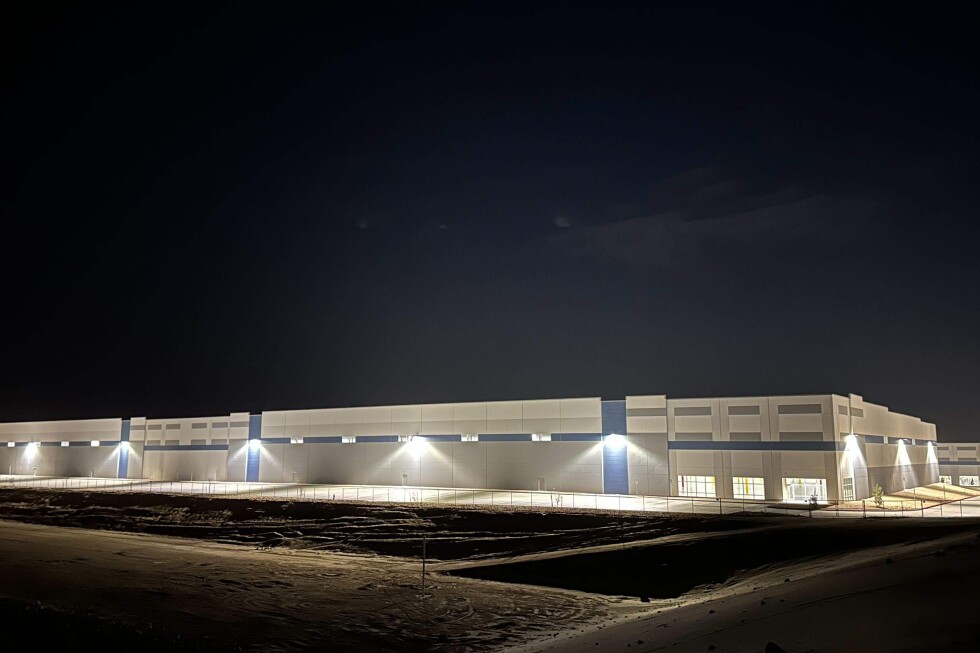
U.S. Immigration and Customs Enforcement (ICE) is preparing for a dramatic expansion of its detention capacity to 92,600 beds as part of a $38.3 billion initiative, according to a document released Friday. The expansion comes as immigration officials quietly purchase warehouses across the country to convert into detention and processing centers.
The document was made public by New Hampshire’s Republican Governor Kelly Ayotte amid growing tensions over ICE’s plans to convert a warehouse in Merrimack, New Hampshire into a 500-bed processing facility. Local opposition has been mounting as residents and officials express concern about the lack of transparency in the planning process.
According to the released plans, ICE intends to establish 16 regional processing centers, each capable of housing 1,000 to 1,500 detainees for short stays averaging three to seven days. Additionally, eight large-scale detention centers will be constructed, each with the capacity to hold between 7,000 and 10,000 individuals for periods typically under 60 days.
The document also outlines the acquisition of 10 existing “turnkey” facilities that can be quickly repurposed. The aggressive timeline calls for all facilities to be operational by November, funded by a substantial $45 billion allocation from President Donald Trump’s recent tax legislation.
The expansion reflects a significant increase in detention rates under the current administration. Federal data released last week shows that as of mid-January, more than 75,000 immigrants were being detained by ICE – nearly double the 40,000 held when Trump took office a year earlier.
The initiative has been progressing largely out of public view, with ICE already purchasing at least seven warehouses in the past few weeks. These properties, some exceeding one million square feet, are located in Arizona, Georgia, Maryland, Pennsylvania, and Texas. The agency refers to these acquisitions as “non-traditional facilities” in the document.
Not all planned purchases have been successful. Warehouse acquisitions in six cities were abandoned after prospective sellers withdrew under pressure from activist groups opposed to the detention expansion. However, several other deals, including some in New York, are reportedly close to completion.
A major concern for local officials is the limited information provided by ICE before property purchases are finalized. This lack of transparency has created friction between federal and local authorities, as communities find themselves unable to prepare for or provide input on facilities that will impact their regions.
The tension was highlighted during Thursday’s congressional testimony by interim ICE Director Todd Lyons, who claimed the Department of Homeland Security “has worked with Gov. Ayotte” and provided her with an economic impact summary for the planned Merrimack facility.
Ayotte promptly disputed this assertion as “simply not true,” noting that the summary was only sent hours after Lyons’ testimony. She further pointed out that the document erroneously referenced “ripple effects to the Oklahoma economy” and mentioned state income taxes, which do not exist in New Hampshire – suggesting the report was hastily repurposed from materials prepared for another state.
“Director Lyons’ comments today are another example of the troubling pattern of issues with this process,” Ayotte stated. “Officials from the Department of Homeland Security continue to provide zero details of their plans for Merrimack, never mind providing any reports or surveys.”
When asked about Ayotte’s comments, the Department of Homeland Security did not respond directly. In previous statements, however, the department has confirmed its search for additional detention space while objecting to the term “warehouses,” insisting the sites would be “very well structured detention facilities meeting our regular detention standards.”
This expansion represents one of the largest increases in immigration detention capacity in recent U.S. history and signals a continued emphasis on detention as a cornerstone of current immigration enforcement strategy.
Fact Checker
Verify the accuracy of this article using The Disinformation Commission analysis and real-time sources.

12 Comments
The proposed expansion of immigration detention capacity is concerning. I hope the government will engage in meaningful dialogue with civil society, immigrant communities, and other stakeholders to ensure a balanced, humane, and effective approach to immigration management.
Well said. Transparent, inclusive policymaking is essential for such a significant and contentious issue.
Wow, $38.3 billion is a huge investment in immigration detention. I’m curious to learn more about the rationale and expected impacts, both positive and negative, of this major expansion.
Good point. The scale of this project deserves close scrutiny to ensure it aligns with immigration policy goals and upholds human rights.
This seems like a dramatic increase in detention capacity. I hope the government will carefully consider the costs, both financial and humanitarian, and explore alternative approaches that are more humane and effective.
I share your concerns. Alternatives like community-based programs should be thoroughly evaluated as part of a balanced, compassionate immigration system.
The plans to build 16 regional processing centers and 8 large-scale detention facilities are ambitious. I’m curious to learn more about the projected impact on immigration enforcement and the potential consequences for detainees and local communities.
This is a significant increase in immigration detention capacity. While managing immigration is important, I’m concerned about the scale and potential for abuse. Transparency and oversight will be critical to ensure humane conditions and due process.
I agree, the lack of transparency is worrying. Public input and oversight should be a priority as these plans move forward.
Expanding immigration detention capacity to 92,600 beds is a major undertaking. I hope the government will prioritize transparency, accountability, and respect for human rights as these plans are implemented.
Agreed. The scale of this project raises significant concerns that will need to be carefully addressed.
This is a substantial investment in immigration detention infrastructure. I’m interested to understand the data and analysis that informed these plans, as well as the expected impacts on the immigration system and affected communities.