


Listen to the article
Hungary’s MOL Group to Acquire Majority Stake in Serbia’s Russian-Owned Oil Company
Hungary’s MOL Group announced Monday that it has signed a preliminary agreement to purchase a 56.15% stake in Naftna Industrija Srbije (NIS), Serbia’s primary oil supplier currently owned by Russia’s Gazprom Neft and under U.S. sanctions.
The Hungarian energy company released a statement confirming the “binding Heads of Agreement with Gazprom Neft,” which still requires approval from the U.S. Office of Foreign Assets Control (OFAC) before finalization. Both parties aim to complete the sales and purchase agreement by March 31.
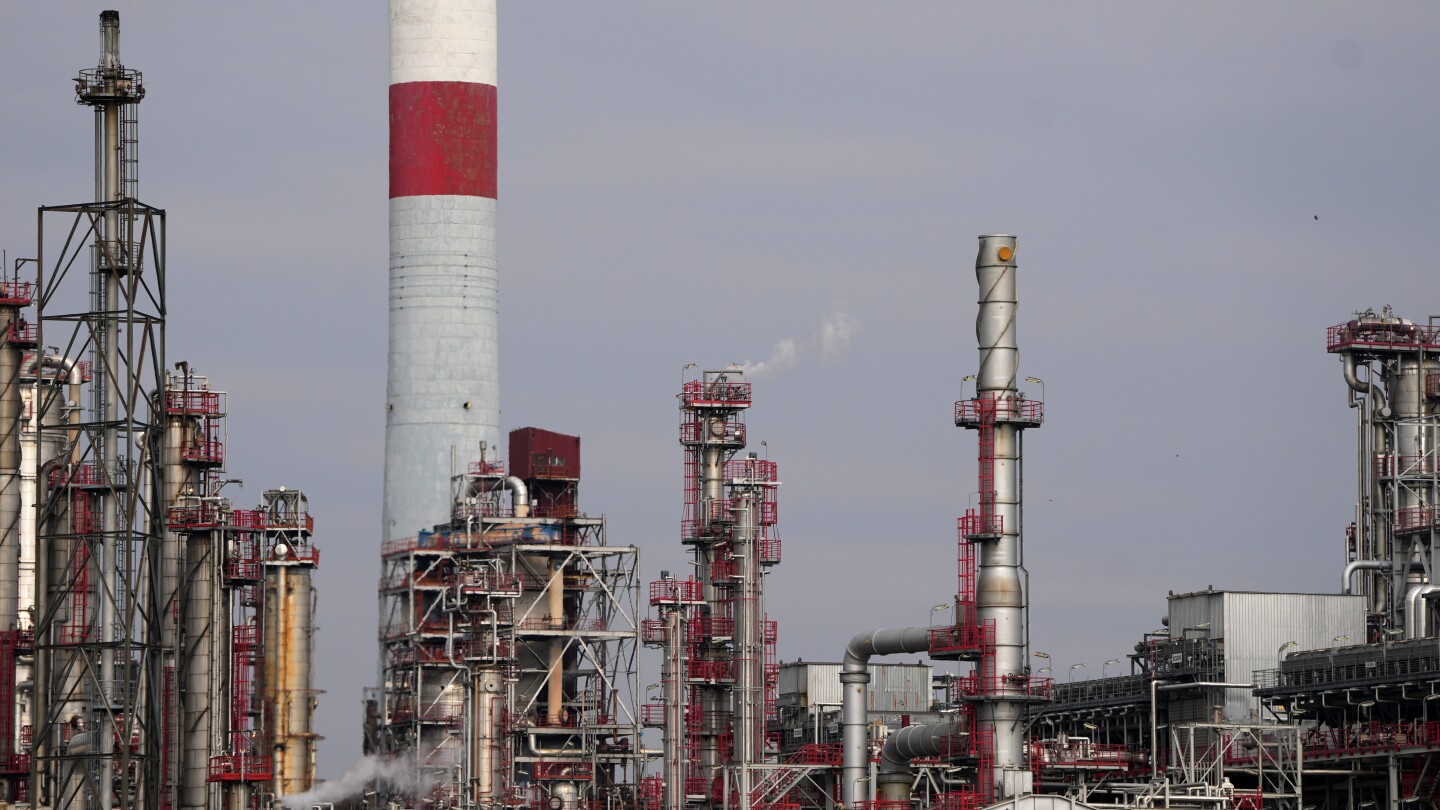
NIS holds a virtual monopoly over Serbia’s oil market and operates the country’s only oil refinery, making it a strategically significant acquisition. MOL Group indicated that the purchase would strengthen its position in the regional energy landscape.
“As a reliable regional energy provider, we would like to contribute to the development of Central and Southeastern Europe,” said Zsolt Hernadi, Chairman and CEO of MOL Group.
The deal could potentially involve additional parties. Hernadi revealed that MOL Group is currently in negotiations with ADNOC, the national oil company of the United Arab Emirates, regarding their possible inclusion as a minority shareholder in the acquisition.
Serbian Energy Minister Dubravka Djedovic Handanovic confirmed that the expected agreement would benefit Serbia as well, increasing the country’s ownership stake in NIS by 5%, raising it from the current 29.87% to nearly 35%.
The transaction comes amid complex geopolitical circumstances. The U.S. imposed sanctions on NIS last year as part of broader measures targeting Russia’s energy sector following the invasion of Ukraine. These sanctions took effect in October, creating pressure for ownership changes. NIS has received a temporary license from OFAC to negotiate the sale until March 24.
The potential sale represents a significant shift in regional energy ownership. Serbia sold the majority stake in NIS to Russia in 2008, when relations between the two countries were particularly close. That deal was widely criticized at the time for undervaluing the company and cementing Russian energy influence in the Balkans.
Despite being a formal candidate for European Union membership, Serbia has consistently maintained strong ties with Moscow and has refused to join Western sanctions imposed on Russia over its invasion of Ukraine. This position has created tensions with EU officials who expect alignment with the bloc’s foreign policy as a prerequisite for membership.
The MOL acquisition could help reduce Russian economic influence in Serbia while strengthening Hungary’s position in regional energy markets. Hungary, despite being an EU member, has maintained closer ties with Russia than most other European countries under Prime Minister Viktor Orbán’s leadership.
Energy security and ownership remain critical issues across Eastern Europe, where many countries have historically depended on Russian oil and gas. The war in Ukraine has accelerated efforts to diversify energy sources and ownership structures throughout the region.
If approved, this transaction would represent one of the most significant energy sector ownership changes in the Balkans since Russia’s invasion of Ukraine and could signal a broader restructuring of energy assets previously controlled by Russian entities across Eastern Europe.
Financial details of the agreement have not been disclosed, but analysts expect the deal would be subject to intense scrutiny given the sanctions environment and the strategic importance of the assets involved.
Fact Checker
Verify the accuracy of this article using The Disinformation Commission analysis and real-time sources.

17 Comments
The proposed MOL-NIS deal highlights the delicate balance between commercial interests and geopolitical realities in the region. Securing OFAC approval will be critical, but the long-term implications for energy security and regional dynamics warrant close monitoring.
This deal highlights the complex web of energy interests and political tensions in Eastern Europe. While MOL’s move to expand its regional footprint is understandable, the involvement of a Russian-owned company under US sanctions adds substantial complexity. Securing OFAC approval and managing the geopolitical implications will be critical for the success of this transaction.
Well said. The geopolitical context cannot be ignored in this case. MOL will need to demonstrate a clear strategy for navigating the regulatory and diplomatic challenges to ensure the long-term viability of this acquisition.
This acquisition could enhance MOL’s position in the Southeastern European energy market. However, the strategic significance of NIS for Serbia and the Russia-Ukraine conflict adds complexity to the deal. Careful navigation of the regulatory and geopolitical landscape will be key.
Absolutely. MOL will have to balance its commercial interests with the wider geopolitical realities in the region. Securing OFAC approval will be a crucial first step, but the long-term implications will require close monitoring.
The proposed MOL-NIS acquisition demonstrates the intricate interplay between commercial interests and geopolitical realities in Southeastern Europe. Strengthening regional energy ties can be beneficial, but the Russia-Ukraine conflict casts a long shadow over this transaction. Careful consideration of the diplomatic and regulatory implications will be essential for the success of this deal.
Intriguing move by MOL to acquire NIS, but the geopolitical implications cannot be overlooked. Strengthening regional energy ties could be beneficial, but the Russia-Ukraine conflict and US sanctions add significant complexity to this deal. Careful consideration of the regulatory and diplomatic hurdles will be essential for MOL.
This acquisition could be a strategic move by MOL to expand its footprint in the Southeastern European energy market. However, the involvement of a Russian-owned company under US sanctions adds significant complexity. Careful consideration of the geopolitical implications will be essential.
Well said. The geopolitical context cannot be overlooked in this deal. MOL will need to demonstrate a clear strategy for managing the potential risks and maintaining compliance with international sanctions.
Interesting move by MOL, but the involvement of a Russian-owned asset under US sanctions adds substantial complexity. Securing OFAC approval will be critical, and the long-term implications for regional energy dynamics and geopolitical tensions will require close monitoring.
Agreed. This deal has the potential to reshape the regional energy landscape, but the geopolitical context cannot be overlooked. MOL will need to navigate a careful path to ensure compliance and mitigate potential risks.
The potential MOL-NIS deal highlights the delicate balance between commercial interests and geopolitical realities in Eastern Europe. While strengthening regional energy ties can be beneficial, the Russia-Ukraine conflict adds significant complexity to this transaction. Careful consideration of the diplomatic and regulatory implications will be essential.
This acquisition could strengthen MOL’s regional presence, but the involvement of a Russian-owned company raises significant concerns given the ongoing Ukraine conflict. Navigating the regulatory and diplomatic hurdles will be crucial for the success of this transaction.
You’re absolutely right. The geopolitical complexities surrounding this deal cannot be ignored. MOL will need to tread carefully and ensure full compliance with all relevant sanctions and regulations.
The potential MOL-NIS deal highlights the intricate web of energy interests and political tensions in Eastern Europe. While strengthening regional energy ties can be beneficial, the Russia-Ukraine conflict casts a long shadow over this transaction. Navigating the regulatory and diplomatic hurdles will be crucial.
Interesting move by MOL to acquire NIS, Serbia’s key oil company. Given the US sanctions on Russia, this deal will likely face close scrutiny from OFAC. Strengthening regional energy ties could be beneficial, but the geopolitical implications need careful consideration.
You raise a good point. The OFAC approval will be critical, as this deal involves a Russian-owned asset. MOL will need to demonstrate that the transaction fully complies with US sanctions.