


Listen to the article
Hungary and Slovakia have struck a deal to construct a crucial oil products pipeline in a strategic move to bolster regional energy security amid ongoing tensions with Ukraine over Russian oil supplies.
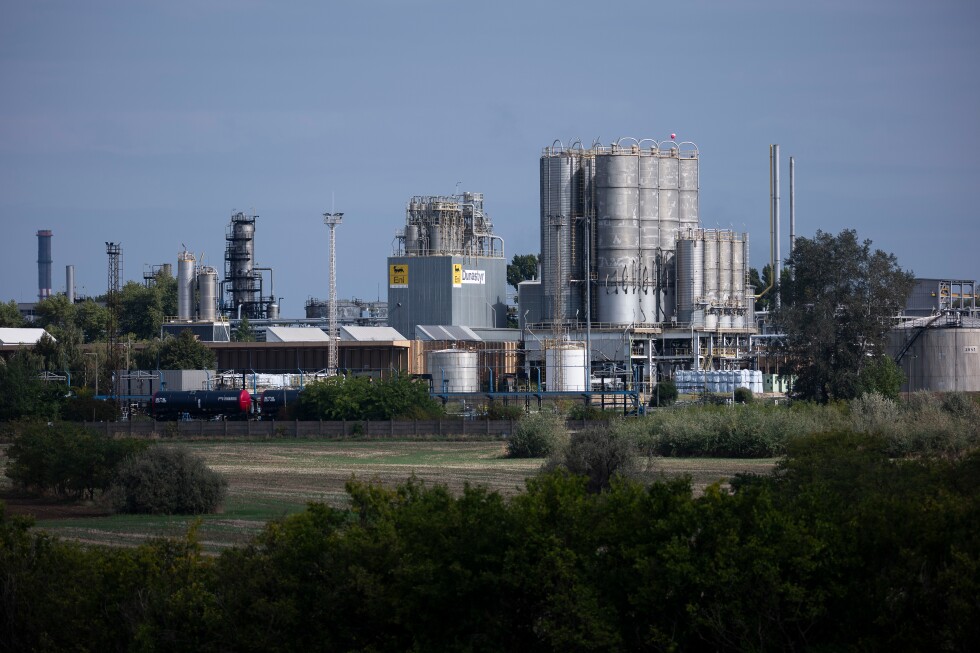
The planned 127-kilometer (79-mile) pipeline will connect Hungary’s refinery in Százhalombatta with Slovakia’s facility in Bratislava, both owned by Hungarian energy giant Mol Group. According to Slovakia’s Energy Ministry, the infrastructure will have capacity to transport 1.5 million tons of gasoline and diesel annually, with completion expected by mid-2027.
Hungarian Foreign Minister Péter Szijjártó, speaking from Brussels where the agreement was signed Monday, emphasized the pipeline’s importance for Hungary’s energy and fuel security, particularly as a buffer against global conflicts affecting energy markets.
The timing of this bilateral energy project is significant as both Central European nations navigate a complex dispute with Ukraine over Russian oil deliveries. Hungary and Slovakia remain the European Union’s only members that continue to import Russian oil, a contentious position as the bloc works to reduce dependency on Russian energy following Moscow’s invasion of Ukraine.
Since late January, these countries have faced disruptions in Russian oil shipments through the Soviet-era Druzhba (“Friendship”) pipeline that traverses Ukrainian territory. Ukrainian officials attribute the interruption to damage from a Russian drone strike, claiming repair efforts are hazardous for technical personnel and that the infrastructure remains vulnerable to additional attacks even if restored.
The governments in Budapest and Bratislava have responded with skepticism, accusing Ukraine of deliberately halting the oil flows. The dispute has escalated into significant diplomatic tension, with Hungary taking punitive measures including blocking a €90 billion ($104 billion) European Union loan package to Ukraine.
“The supply disruptions highlighted the vulnerability of energy infrastructure and the need to diversify supply routes and sources,” Slovakia’s Energy Ministry noted in its statement about the new pipeline agreement. “The new pipeline should therefore improve supply flexibility and enable more efficient fuel transfers between refineries in both countries.”
This development underscores the broader energy security challenges facing Central European nations that historically relied on Russian energy imports. While most EU members have pivoted away from Russian oil following sanctions imposed after the invasion of Ukraine, Hungary and Slovakia received exemptions due to their heavy dependence on pipeline-delivered Russian crude and limited alternative supply options.
Energy analysts note that the new pipeline represents a pragmatic approach to regional energy cooperation while not necessarily reducing Russian energy dependence. Instead, it creates additional flexibility for the Mol Group’s integrated refining operations between the two countries.
The project also illustrates the ripple effects of Russia’s war in Ukraine on regional energy infrastructure planning, as countries reassess vulnerabilities in their supply chains. For Hungary and Slovakia, whose refineries were designed decades ago to process Russian Urals crude, shifting to alternative oil sources requires significant technical adjustments and investments.
As construction begins, the pipeline will be closely watched by energy markets as an indicator of Central Europe’s evolving energy landscape, where political considerations, technical constraints, and security concerns increasingly shape infrastructure decisions in a region caught between European solidarity and energy pragmatism.
Fact Checker
Verify the accuracy of this article using The Disinformation Commission analysis and real-time sources.

13 Comments
While Hungary and Slovakia’s continued Russian oil imports remain controversial, this pipeline deal is a pragmatic step to strengthen their energy security. Diversifying supply routes is wise, especially as global energy markets face ongoing uncertainty. I’m curious to see how this project unfolds and impacts the regional fuel landscape.
It’s good to see Hungary and Slovakia taking proactive measures to address their fuel security concerns. A pipeline connecting their refining assets makes strategic sense, especially as the EU works to reduce Russian energy dependence. I’m curious to learn more about the project’s technical and operational details.
Interesting to see Hungary and Slovakia collaborating on this new fuel pipeline. Ensuring steady regional energy supplies is critical, especially with the ongoing Russia-Ukraine conflict affecting global markets. I’m curious to learn more about the pipeline’s technical details and how it will help buffer against external disruptions.
You make a good point. Building infrastructure to strengthen energy security is prudent, given the geopolitical uncertainties. This pipeline could provide an important alternative supply route for these Central European nations.
This new fuel pipeline agreement between Hungary and Slovakia is an interesting development, especially given the ongoing tensions with Ukraine over Russian oil deliveries. Ensuring steady regional energy supplies is critical, and this infrastructure project could help these Central European nations navigate the complex global energy landscape. I’m curious to learn more about the technical and operational details of the pipeline.
This pipeline deal highlights the complex energy dynamics in Europe as countries navigate the fallout from the Ukraine invasion. While controversial, Hungary and Slovakia’s continued Russian oil imports underscore their need for stable fuel supplies. This project seems like a pragmatic step to bolster regional energy resilience.
Yes, the timing is certainly noteworthy. Diversifying supply sources is crucial, even for countries still reliant on Russian energy. This pipeline could help smooth out disruptions and provide more flexibility in the face of an unpredictable global energy landscape.
The timing of this Hungary-Slovakia fuel pipeline agreement is noteworthy, given the complex geopolitical dynamics surrounding energy in Europe. Ensuring steady regional energy supplies is critical, and this infrastructure project could help these countries navigate the fallout from the Ukraine invasion. It will be interesting to see how this pipeline impacts fuel availability and pricing in the area.
Good point. This pipeline could provide an important buffer against potential disruptions to energy flows, which is especially important for landlocked nations like Hungary and Slovakia. Bolstering regional energy security is a prudent move in these volatile times.
This fuel pipeline deal between Hungary and Slovakia is a pragmatic response to the energy security challenges facing Central Europe. While controversial, their continued Russian oil imports underscore the need for reliable supply routes. This infrastructure project could help these nations weather potential global supply shocks and disruptions.
Absolutely. Diversifying supply sources and transportation networks is a wise strategy, given the geopolitical uncertainties surrounding energy markets. This pipeline could prove to be an important asset for Hungary and Slovakia in the years ahead.
This new fuel pipeline deal between Hungary and Slovakia demonstrates the importance of regional energy cooperation, even as the broader EU grapples with reducing Russian energy reliance. Steady fuel supplies are essential, and this infrastructure project could help these Central European nations weather potential global supply shocks.
Absolutely. Ensuring reliable access to refined petroleum products is crucial for economic stability and resilience. This pipeline seems like a prudent investment that could pay dividends for Hungary and Slovakia in the years ahead.