


Listen to the article
Hawaii Mobilizes Relief Efforts as Historic Flooding Devastates Communities
Communities across Hawaii are beginning the arduous process of recovery after two consecutive Kona low winter storm systems unleashed devastating floods, marking the worst deluge to hit the state in over two decades. The storms, which struck approximately one week apart, saturated soil beyond its absorption capacity, resulting in widespread damage to homes, farms, schools, and infrastructure across all Hawaiian counties.
Governor Josh Green estimates the combined damage from both storms could exceed $1 billion. In response, he has requested a major disaster declaration from President Donald Trump to unlock federal resources crucial for recovery efforts.
“These storms have impacted every county in our state and stretched our emergency response capabilities,” Green said in a statement. “This request is about getting our communities the support they need to recover quickly and safely.”
The flooding has damaged hundreds of homes, several schools, and one hospital. Agricultural operations have been particularly hard-hit, with preliminary estimates indicating at least $15 million in damages to farms statewide, according to Agriculture Stewardship Hawaii.
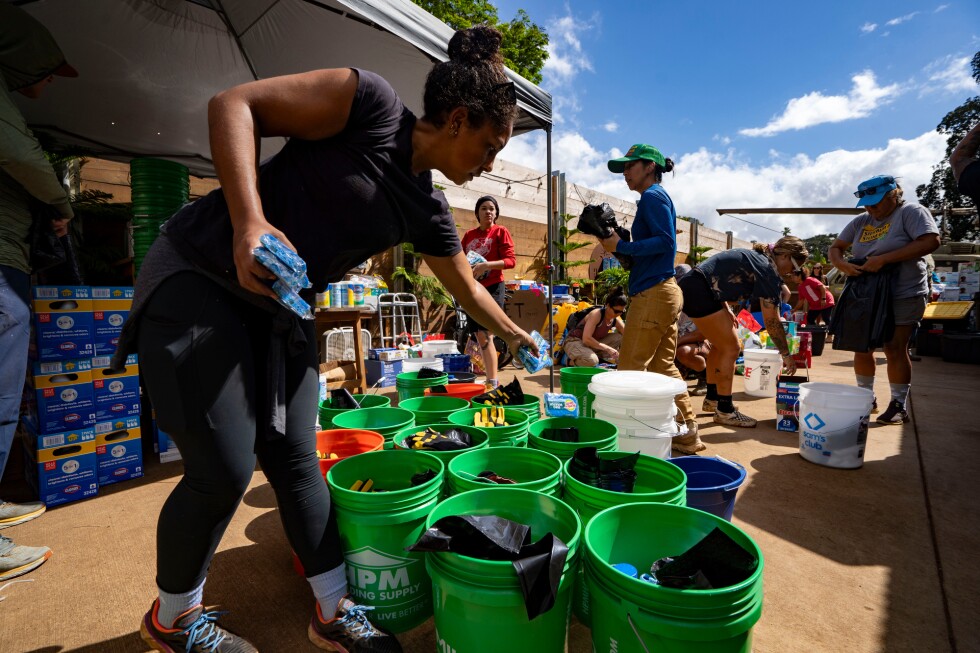
In the face of this crisis, a robust network of nonprofit organizations, community foundations, and mutual aid groups has rapidly mobilized to assist affected residents with immediate needs including temporary housing, food replacement, debris removal, and medical care.
“So many families have been displaced, homes have been damaged, and communities are facing immediate needs,” said Hawaiian Council CEO Kuhio Lewis. “The path to recovery begins now — it cannot wait.”
The Lahui Foundation has emerged as a key player in relief efforts on Oahu’s North Shore, distributing supplies and financial aid while organizing volunteer teams to help residents clean out debris-laden homes. North Shore native and musician Jack Johnson has publicly directed support toward the foundation’s efforts.
United Way chapters across the islands have activated emergency funds to provide immediate assistance. Aloha United Way on Oahu has launched its Community Relief Fund, while Maui United Way is extending support to communities on both Maui and Molokai. Hawaii Island United Way is collecting earmarked donations specifically for flood-affected households on the Big Island.
The Hawaiian Council has established the Kako’o Oahu initiative focusing on housing stability services and financial assistance, with the organization pledging to match donations up to $200,000. Similarly, the Hawaii Community Foundation has activated its Stronger Hawaii Fund to deploy resources statewide for immediate response, recovery, and future resilience efforts.
For underserved communities, including homeless populations and areas temporarily isolated by floodwaters, Maui Rapid Response is delivering targeted mutual aid on Maui and Molokai. The organization is accepting funds to continue these critical outreach efforts.
The crisis has also significantly impacted Hawaii’s animal population and agricultural sector. The Hawaiian Humane Society on Oahu and Maui Humane Society are providing pet food and supplies to displaced families while responding to animals stranded in flooded areas. The Hawaii Farmers Union Foundation has established the Hawaii Flood Response Fund specifically to help farmers recover, rebuild, and restore the local food system.
Medical needs are being addressed through mobile health units set up by the Healthy Mothers Healthy Babies Coalition of Hawaii and Hawaii H.O.M.E Project on Oahu’s North Shore. These units, supported by partners like Direct Relief, are distributing essential medical supplies including water purification materials, antibiotics, insect repellant, and tetanus shots.
For individuals looking to support recovery efforts, GoFundMe has created a hub of verified fundraisers for flood victims, while Help Maui Rise maintains a community-vetted spreadsheet of donation opportunities directed toward those directly affected.
As the immediate crisis response transitions to long-term recovery, these coordinated relief efforts will be crucial in helping Hawaii’s communities rebuild and strengthen resilience against future extreme weather events, which climate scientists warn may become increasingly common across the Pacific islands.
Fact Checker
Verify the accuracy of this article using The Disinformation Commission analysis and real-time sources.

17 Comments
It’s heartbreaking to see the damage to homes, schools, and critical infrastructure from these floods. Providing temporary shelter and restoring essential services will be a top priority for relief efforts.
Absolutely, the human toll is the most tragic part of this disaster. Ensuring the health and safety of displaced residents must be the primary focus.
A billion dollars in estimated damages is staggering. The recovery process will be long and challenging for Hawaii’s communities. I hope the federal assistance can catalyze a swift rebuilding effort.
Kona low winter storms are not uncommon in Hawaii, but the intensity and back-to-back nature of these events is alarming. Is climate change playing a role in exacerbating these weather patterns?
That’s a valid question. Scientists will likely investigate whether there are links between climate change and the increased frequency or severity of these storm systems in Hawaii.
This serves as a stark reminder of Hawaii’s vulnerability as an island state to extreme weather events. Building more resilient infrastructure and emergency response capabilities should be a top priority.
These storms have really highlighted the vulnerability of Hawaii’s infrastructure to extreme weather events. Investing in more resilient systems could help mitigate future disaster impacts.
Good point. Strengthening critical infrastructure like flood control, power grids, and transportation networks should be a priority for Hawaii’s long-term resilience planning.
The agricultural impacts from these storms are concerning, with an estimated $15 million in damages to farms. That will put a strain on local food supplies and Hawaii’s economy. I hope aid reaches affected farmers soon.
Agreed, the agricultural losses are a major concern. Diversifying Hawaii’s food sources could help build resilience against future extreme weather events.
This is a devastating situation for the communities in Hawaii. I hope the federal disaster declaration unlocks resources to help residents and businesses recover quickly. Rebuilding damaged homes and infrastructure will be a major challenge.
You’re right, the scale of this flooding is truly unprecedented. Recovery efforts will require a coordinated, sustained response from state and federal agencies.
The flooding has clearly been devastating for Hawaii’s communities. I hope the recovery efforts are able to restore a sense of normalcy and security for residents as quickly as possible.
Me too. The road to recovery will be long, but providing immediate aid and support to those most impacted should be the top priority.
Kudos to Governor Green for swiftly requesting federal aid. Accessing those resources will be crucial for supporting impacted residents and businesses through the recovery process.
Agreed, the speed of the disaster declaration request will help expedite relief efforts. Strong coordination between state and federal agencies will be key.
The impacts on hospitals and schools are especially concerning, as those are vital community hubs. I hope the recovery efforts can restore those critical services quickly.