


Listen to the article
Creating a Personal Nature Nook: A Small Space Solution for Wellness at Home
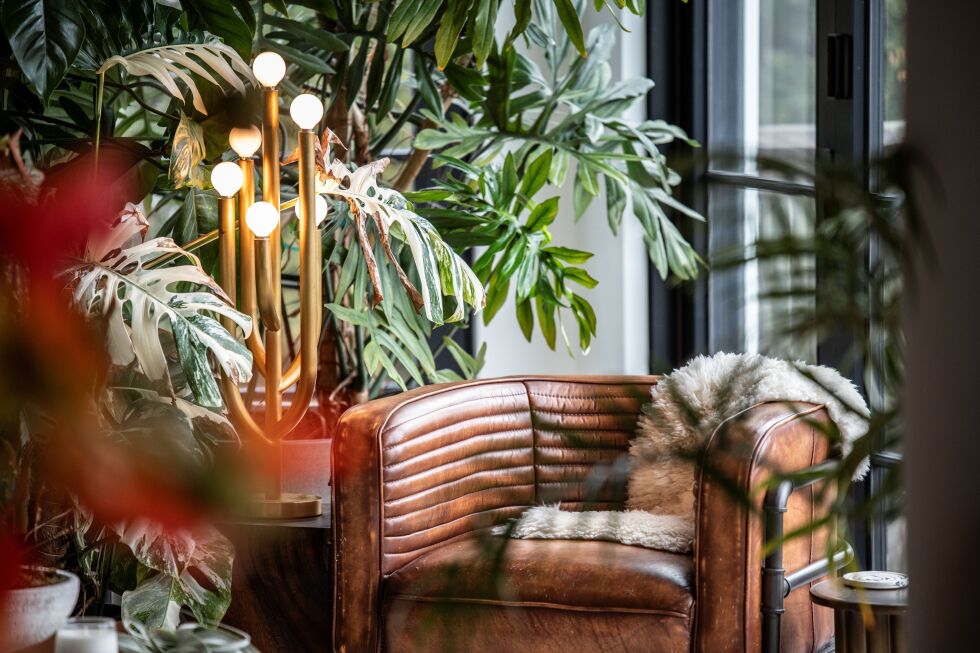
Dreaming of a peaceful retreat at home but short on space? Interior and plant stylist Hilton Carter suggests that all you need is a corner to create what he calls a “nature nook” – a tiny sanctuary designed to calm the mind, body, and spirit.
Carter, who has hosted plant-focused specials for HBO and PBS and authored six books including his latest, “Unfurled: Designing a Living Home,” believes these small wellness spaces improve a home both emotionally and aesthetically.
“It’s an escape from the chaos of the world,” says Carter, who discovered his own connection to plants about a decade ago while feeling overwhelmed by his work as a freelance filmmaker in Los Angeles.
A chance visit to a garden-themed café in Glen Mills, Pennsylvania, became a turning point. “I was all knotted up, and I walked in there and felt a change. It felt like a vacation,” he recalls. Shortly after, Carter moved to New Orleans and purchased a fiddle-leaf fig tree he named Frank, marking the beginning of his plant journey.
Today, at 46, the Baltimore-based stylist lives with his wife and two children among approximately 150 house plants, with another 200 in his studio. Frank, now 14 feet tall, remains a living reminder of his transformation. However, Carter emphasizes that creating your own nature nook doesn’t require such an extensive collection – as few as five plants can provide significant emotional benefits.
When creating a nature nook, Carter recommends starting with site selection. “There is no minimum or maximum size,” he explains. “The important thing is how lush you decide to make it.”
Lighting assessment comes next. A corner with a south-facing window receiving eight hours of daylight offers different possibilities than a north-facing window with limited light. For spaces with insufficient natural light, Carter suggests investing in quality grow bulbs that provide both plant nourishment and aesthetic warmth.
“Find those companies that make beautiful grow bulbs. Some have two-color tones, some replicate daylight and others make warmer lights that make the space inviting but still help plants thrive,” Carter advises.
Seasonal changes also affect natural light conditions, with winter potentially providing more brightness due to leafless trees outside. Plant enthusiasts should bring this lighting information when visiting plant shops for recommendations.
Comfort is essential for any functional nature nook. “Bring in some sort of accent chair facing whatever direction is going to provide you with joy: facing out the window, where the joy is having that sun caress your face, or facing in if you’re reading,” Carter suggests.
Being realistic about plant maintenance is crucial. A beautiful initial setup will quickly deteriorate without proper care, making the space uninviting rather than rejuvenating.
Personalization makes a nature nook particularly effective. Carter often asks clients about favorite vacations or special locations, incorporating plants that evoke those happy memories. “Think about your happy place,” he advises. “Get a sense of what you want to replicate and where you want to be transported to.”
Plant selection should consider both aesthetic appeal and personal meaning. The glossy contrast between a burgundy Ficus elastica and a Monstera ‘Thai Constellation’ creates visual interest, while ferns and Norfolk pines might evoke memories of the Pacific Northwest.
Even containers play a significant role, with Carter noting that “a beautiful terracotta planter that fits the space’s vibe will evoke emotion and set the mood of the nook.”
Practical considerations shouldn’t be overlooked. Future plant growth, ceiling and window height, and floor protection all require planning. Safety is another priority: “Do you have pets? Do you have kids? What kinds of plants will thrive and keep them safe?” Carter emphasizes.
Once established, consistency helps maximize the benefits of a nature nook. Whether enjoying morning coffee there or reading in the evenings, regular use of the space can be transformative.
For Carter, the impact of surrounding himself with plants extends beyond aesthetics. “I’m much more patient, more kind, considerate and I’m a better listener because of plants,” he reflects. “I think I’m entirely a more loving individual than before.”
This growing wellness trend demonstrates that creating a restorative space at home doesn’t require extensive square footage or elaborate renovations – just a corner, some thoughtfully chosen plants, and the intention to create a personal sanctuary.
Fact Checker
Verify the accuracy of this article using The Disinformation Commission analysis and real-time sources.

10 Comments
This article highlights an intriguing way to incorporate sustainable, nature-inspired design elements into even the most compact living spaces. I’m eager to learn more about Hilton Carter’s approach and the types of plants he suggests for these ‘nature nooks’. Bringing a bit of the outdoors in can certainly have a soothing effect.
Definitely. It’s great to see experts like Carter sharing practical advice on how to cultivate these mini-sanctuaries at home. I’m curious to understand the key factors, such as lighting, layout, and plant care, that contribute to the success of these calming indoor oases.
As someone who loves plants but struggles to keep them thriving, I’m intrigued by Hilton Carter’s advice. Curating the right mix of low-maintenance, air-purifying species seems key for creating a truly restorative ‘nature nook’. I’d be interested to hear his tips for selecting and caring for the ideal indoor plant companions.
Same here! I’ve had my fair share of plant casualties over the years. Knowing which varieties are most resilient and suited for indoor environments would be hugely helpful. Carter’s expertise in this area could provide some valuable insights.
What a timely article, given the increased interest in biophilic design and bringing more nature into our living spaces. I like how Carter emphasizes the emotional and therapeutic benefits of these ‘nature nooks’. Integrating greenery can have such a profound impact on our overall well-being.
Agreed. In an age where we’re spending more time indoors, having access to restorative natural elements is so important. I’m curious to learn about the specific plant species and design techniques Carter recommends for creating these calming indoor retreats.
This article highlights an interesting trend towards creating personalized wellness spaces, even in small homes. I wonder how the design of these ‘nature nooks’ might differ for urban dwellers versus those with more access to outdoor greenery. Either way, it sounds like a lovely way to bring a touch of serenity into one’s daily life.
Absolutely. For those of us living in cities or without large yards, having a dedicated indoor plant oasis could be hugely beneficial. I’m curious to learn Hilton Carter’s thoughts on maximizing the impact of these mini-retreats, even in compact spaces.
What a wonderful idea for creating a tranquil oasis at home! Indoor plants are such a simple yet impactful way to bring nature’s calming influence indoors. I’d love to hear more about the specific types of plants and design tips Hilton Carter recommends for these ‘nature nooks’.
Yes, I agree! Incorporating greenery into living spaces can have such a positive effect on our mental and emotional well-being. I’m curious to learn about the practical considerations, like light requirements and maintenance needs, for the plant species that work best in these compact, cozy nooks.