


Listen to the article
The White House and a bipartisan coalition of governors are ramping up pressure on PJM Interconnection, the operator of the mid-Atlantic power grid, to address growing concerns about energy supply and rising electricity costs. The push comes as voters increasingly worry about the massive power consumption of artificial intelligence data centers ahead of this year’s elections.
On Friday, the White House National Energy Dominance Council, along with governors from Pennsylvania, Ohio, Virginia, and other states, plan to sign a statement of principles aimed at compelling PJM to hold a power auction. This would allow technology companies to bid on contracts to build new power plants in the region.
“Ensuring the American people have reliable and affordable electricity is one of President Trump’s top priorities, and this would deliver much-needed, long-term relief to the mid-Atlantic region,” said Taylor Rogers, a White House spokeswoman.
Pennsylvania Governor Josh Shapiro, a Democrat, is expected to attend the White House event. Sources familiar with his plans indicate that Shapiro made his participation contingent on including provisions to extend limits on wholesale electricity price increases for consumers in the region.
Notably absent from the meeting will be representatives from PJM Interconnection itself. “PJM was not invited. Therefore we would not attend,” spokesperson Jeff Shields confirmed. It remains unclear whether President Trump will participate in the event, which was not listed on his public schedule.
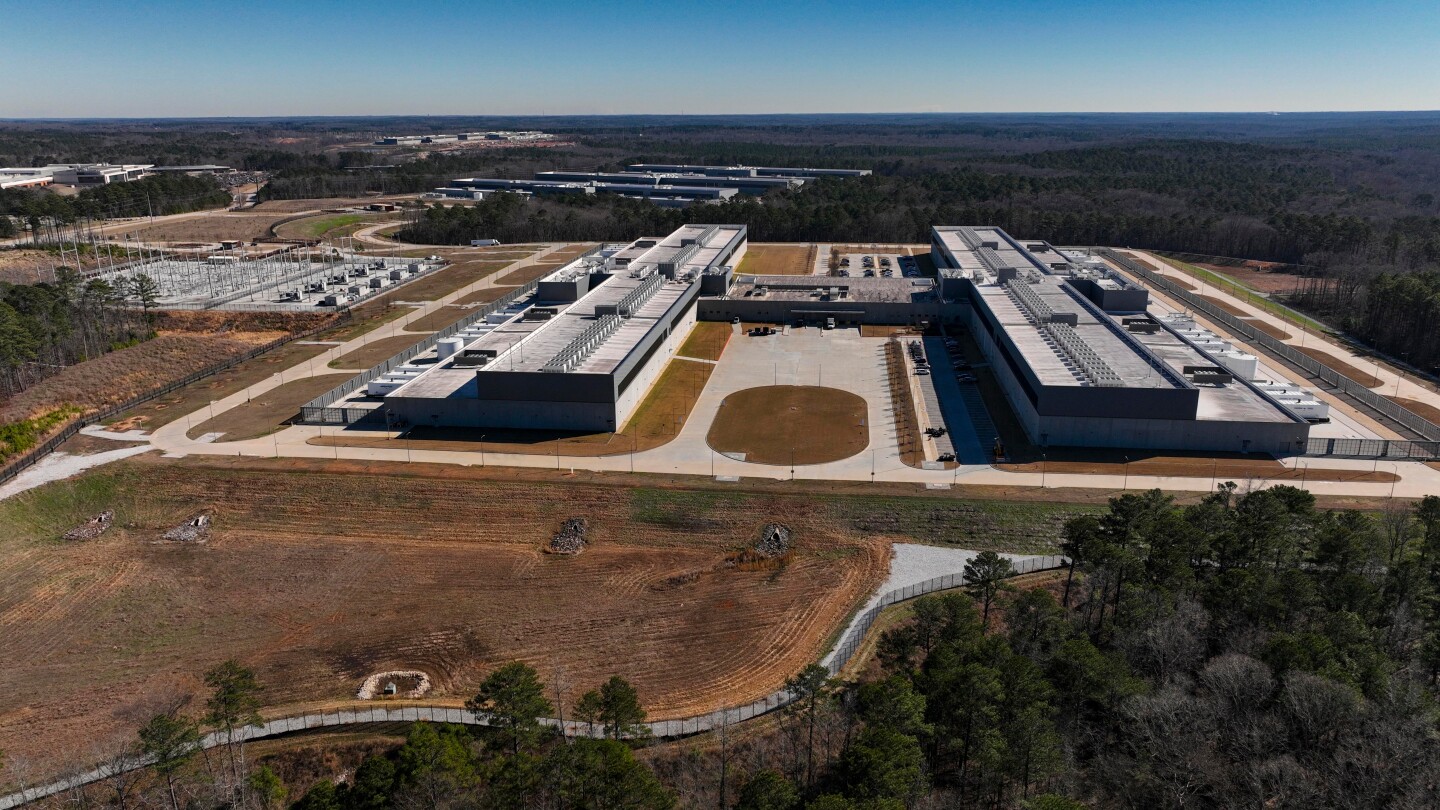
The initiative reflects mounting political pressure to shield consumers and businesses from the financial impact of powering the tech industry’s energy-intensive data centers. This comes at a time when more Americans are struggling to pay their electricity bills.
Consumer advocates have raised alarms about ratepayers in the PJM grid—which spans 13 states from New Jersey to Illinois and Washington, D.C.—already bearing the burden of billions of dollars in higher bills to fund power supply for data centers, both existing and planned. Despite these increased costs to consumers, advocates say there hasn’t been corresponding construction of new power plants to meet the surging demand.
The issue has particular political significance as November’s elections approach. Many pivotal contests will be decided in communities experiencing rapidly rising electric bills or disputes over who should pay for AI-focused data centers. In several regions across the country, these facilities are being connected to the grid faster than new power plants can be built to support them.
Electricity costs have already emerged as a decisive factor in recent state elections. Last year’s gubernatorial races in New Jersey and Virginia—a major data center hub—as well as utility commission elections in Georgia where Democrats unseated Republican incumbents, all saw energy costs become central campaign issues. Voters in multiple states and metropolitan areas have consistently ranked economic concerns as their top priority, setting the stage for an intense debate over affordability in the upcoming congressional midterms.
The financial burden on consumers continues to grow. According to PowerLines, a consumer advocacy organization, gas and electric utilities sought or received rate increases exceeding $34 billion in the first three quarters of 2023—more than double the amount from the same period a year earlier.
This surge in electricity demand from data centers represents a significant shift in the energy landscape. As artificial intelligence applications become more prevalent, the computational requirements for processing vast amounts of data have skyrocketed, creating unprecedented demands on the power grid. Industry analysts estimate that a single large AI data center can consume as much electricity as a small city.
The White House initiative highlights the growing recognition that the rapid expansion of AI infrastructure requires careful coordination between government, utilities, and technology companies to avoid disruptions to the grid and unsustainable price increases for consumers.
Fact Checker
Verify the accuracy of this article using The Disinformation Commission analysis and real-time sources.

24 Comments
Interesting to see the White House and governors working together to address the power supply and cost issues driven by AI data centers. Reliable and affordable electricity is crucial for both businesses and households.
The proposed power auction to allow tech companies to bid on new power plants could be an effective solution if implemented properly.
Addressing the power supply and cost issues driven by AI data centers is a complex challenge that requires a multi-faceted approach. This initiative seems like a reasonable starting point, but more work may be needed.
I’m curious to see how the governors and White House plan to monitor the impact and effectiveness of these measures over time.
Ensuring affordable and reliable electricity is crucial for both economic growth and household budgets. This bipartisan effort is a step in the right direction.
I hope the governors and White House can work effectively with PJM to implement durable solutions that address the root causes of the power supply and cost issues.
The power auction proposal is an interesting market-based solution, but the details will be crucial in ensuring it delivers the desired outcomes for consumers and the grid.
I hope the governors and White House can work closely with PJM and other stakeholders to implement a comprehensive and durable set of reforms.
Reliable and affordable electricity is essential for businesses and households. This initiative seems like a step in the right direction, but the execution will be crucial.
I hope the power auction process is designed in a way that fosters competition and innovation in the energy sector.
The proposed power auction is an intriguing market-based solution, but it will be important to ensure it doesn’t lead to unintended consequences or unfair outcomes for consumers.
Extending price limits is a sensible measure to protect households, but the long-term focus should be on expanding supply and grid resilience.
Reliable and affordable electricity is a critical issue that affects both businesses and households. This bipartisan effort to address the AI-driven power challenges is a positive development.
Ensuring reliable and affordable electricity is essential for economic growth and household well-being. This initiative seems like a reasonable step, but the long-term strategy will be key.
The proposed power auction is an interesting market-based approach to incentivize new power generation capacity. It will be important to ensure the process is fair and transparent.
It’s good to see the White House and governors taking a bipartisan approach to address these power reliability and affordability issues. AI-driven data centers are a growing concern that needs to be managed effectively.
Glad to see the bipartisan effort to compel the PJM grid operator to take action. Rising electricity prices and concerns about power reliability are major issues that need to be addressed.
Extending limits on wholesale electricity prices is a prudent move to protect consumers from spikes.
The White House’s focus on energy dominance and reliable, affordable electricity is commendable. AI data centers are a significant and growing source of power demand that needs to be managed carefully.
I’m curious to see what other policy measures the administration and states might consider to support power grid resilience and affordability.
Power shortages and price spikes driven by AI are a complex challenge. It’s good to see the government taking a proactive approach to find solutions that balance the needs of businesses, consumers, and the grid.
The plan to hold a power auction is intriguing, but the details will be critical. Protecting consumers from price spikes should be a key priority.
I’m curious to see if this approach can be replicated in other regions facing similar AI-driven power supply challenges.
Rising power consumption from AI data centers is a significant challenge that requires a coordinated policy response. This initiative seems like a pragmatic approach to tackle the problem.