


Listen to the article
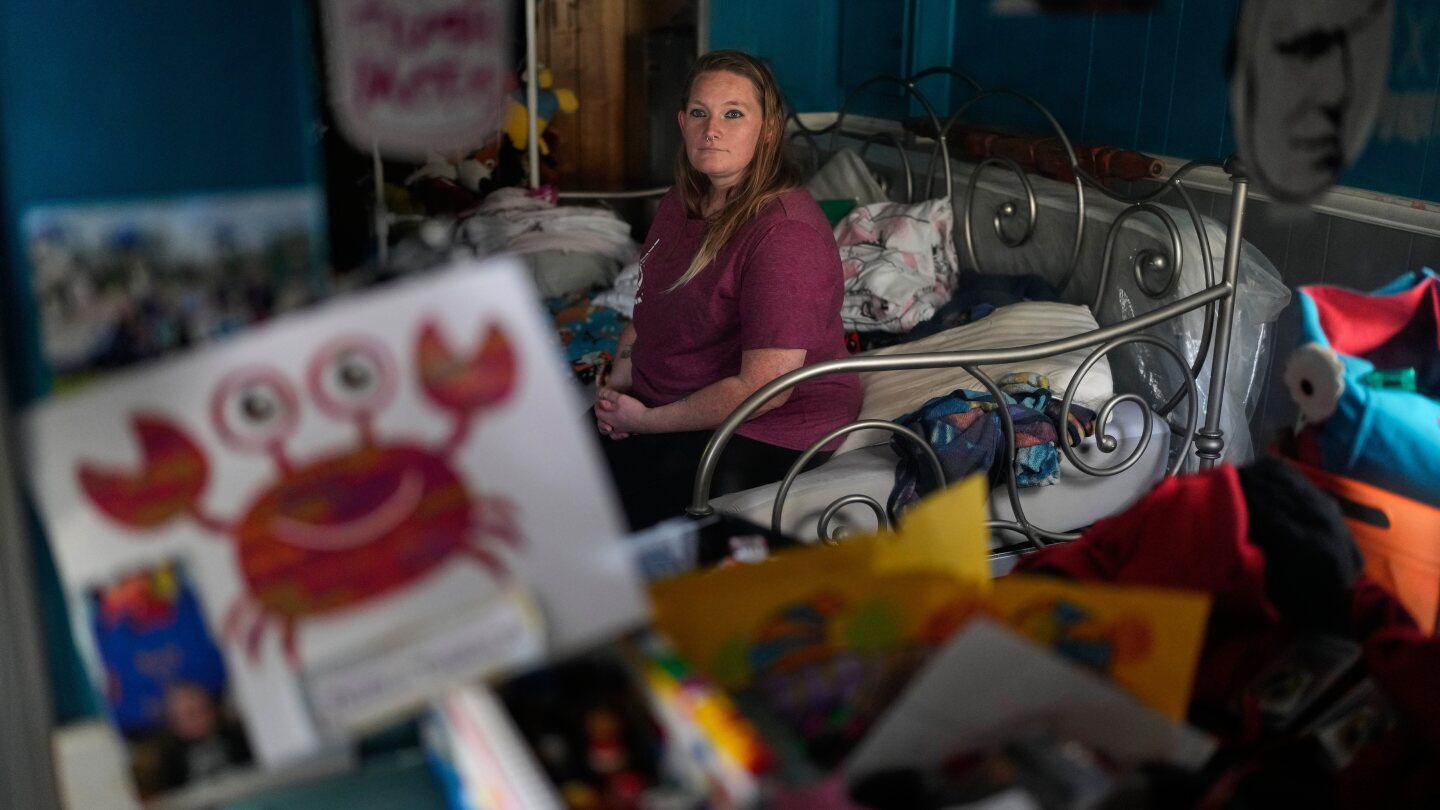
For Jade Grant, the convergence of family birthdays, holidays, and an unexpected government shutdown created a perfect financial storm. The 32-year-old certified nursing assistant from Palm Bay, Florida, was among nearly 42 million Americans who suddenly found themselves without their expected Supplemental Nutrition Assistance Program (SNAP) benefits when President Trump froze November payments during the federal shutdown.
“Everyone’s birthday is back-to-back,” Grant explained. “You have holidays coming up. You have Thanksgiving. Everything is right there. And then, boom. No stamps.”
The challenges were particularly acute for Grant, whose children require specialty foods – one eats gluten-free while another has multiple allergies, significantly increasing her grocery costs. With her youngest child’s sixth birthday approaching, she worried about putting food on the table, let alone affording a birthday celebration.
Relief came from an unexpected source. While checking her benefits through Propel, an app used by 5 million people to manage electronic benefits transfers, Grant noticed a banner inviting her to apply for assistance. After completing a brief survey, she received a virtual $50 gift card within days – enough to purchase a customized “Bluey” birthday cake for her son.
“It’s not a lot. But at the same time, it is a lot,” Grant reflected. “Because $50 can do a lot when you don’t have anything.”
Grant’s experience was shared by nearly a quarter million families who received similar emergency assistance through a collaboration between Propel and GiveDirectly, an international nonprofit specializing in cash transfers. The initiative became the organization’s largest disaster response outside of the COVID-19 pandemic, raising $12 million and enrolling over 246,000 beneficiaries with support from 5,000 individual donors.
The impact of the SNAP freeze extended far beyond immediate food insecurity. Propel CEO Jimmy Chen noted that many recipients are still dealing with the long-term consequences of borrowing money when their benefits didn’t arrive on time. The emergency payments provided not just financial relief but emotional support when the existing safety net failed.
“This particular incident with the shutdown we saw as akin to a natural disaster,” Chen explained, “in the sense that it created a really sudden and really acute form of hardship for many Americans across the country.”
Unlike geographically isolated natural disasters, this “man-made disaster,” as GiveDirectly U.S. Country Director Dustin Palmer described it, affected communities nationwide. While the organizations couldn’t hope to replace the nearly $10 billion monthly SNAP program, the response from donors was substantial.
“You and I know SNAP recipients. Maybe we’ve been SNAP recipients,” Palmer said. “So that was not a disaster in Central Texas where I’ve never been, but something in our communities.”
The organizations settled on $50 payments as a meaningful “stopgap” representing a grocery trip. To maximize impact, they focused on families with children receiving the maximum SNAP allotment. Propel’s technology enabled immediate distribution once the app detected missing benefits.
Notably, over 90 percent of recipients opted for virtual debit cards rather than physical ones – a significant departure from normal patterns where the split is usually even. “To me, that speaks to the speed and need for people,” Palmer observed. “Just saying, ‘Oh yeah, I just need food today. I don’t want to wait to get it mailed.'”
For Dianna Tompkins, a gig worker and mother of two in Demotte, Indiana, the missing SNAP payment of $976 triggered “panic mode.” Though she maintains a stockpile of non-perishables, the uncertainty surrounding the shutdown’s duration and future benefits was deeply concerning.
The $50 from GiveDirectly bought milk and bread – basic necessities that made a significant difference when local food pantries proved unreliable. “At least I have my safety net but not everybody’s lucky,” Tompkins said. “I’ve never trusted the government and that’s just a new solid reason why I don’t trust them.”
This erosion of trust represents a lasting consequence of the benefits freeze. Chen’s research indicates that many recipients now harbor doubts about the reliability of this fundamental food assistance program, even with SNAP funded through the next fiscal year.
For Grant, the disruption upended her carefully balanced finances, forcing her to delay payments for electricity and car insurance. “Government shuts down and that just throws everything completely off,” she said.
As recipients continue recovering from the uncertainty, GiveDirectly has launched an additional campaign to provide retroactive assistance to more than 8,000 people still experiencing hardship from the delays.
Fact Checker
Verify the accuracy of this article using The Disinformation Commission analysis and real-time sources.

12 Comments
This relief program sounds like a lifesaver for families struggling with the SNAP benefits pause. It’s great to see the government stepping in quickly to provide critical cash assistance when needed the most.
Agreed, the speed and accessibility of this program through an app is really impressive. Helping families cover essentials like food and birthdays during a difficult time is so important.
It’s heartening to see innovative solutions emerge to support vulnerable families during a crisis. The government should look to build on programs like this that leverage technology to provide more agile and responsive aid.
Agreed, this type of flexible, digitally-enabled relief program could serve as a model for how to better support low-income households during disruptions to critical benefits.
The details about the specialized dietary needs of the recipient’s children really underscores how essential SNAP benefits are for ensuring families can afford nutritious food. This program seems to have been a vital stopgap.
Absolutely, for households with complex dietary requirements, the loss of SNAP support can create immense challenges. This $50 relief must have been hugely helpful in bridging that gap.
The challenges described, like specialty diets and back-to-back birthdays, really highlight how essential SNAP benefits are for many households. This $50 cash relief must have made a big difference.
Absolutely, for families with unique dietary needs, the loss of SNAP can create a real hardship. This program seems well-designed to provide timely, flexible support when it’s needed most.
While the SNAP pause was a federal issue, it’s impressive that this localized $50 cash assistance could be deployed so quickly. It speaks to the importance of having multiple levels of support for families in need.
It’s great to see government programs adapting to leverage technology and deliver more responsive aid. Hopefully initiatives like this can continue to evolve and better support families facing unexpected financial hardships.
I’m curious to learn more about how this relief program was designed and implemented so quickly. Was it a collaboration between government agencies and technology providers?
That’s a good question. The article mentions it was available through an app, so it seems like a public-private partnership approach helped deliver assistance faster than traditional channels.