


Listen to the article
EEOC Chair’s Call for White Male Discrimination Claims Sparks Controversy
The head of the U.S. Equal Employment Opportunity Commission has ignited debate with a social media post specifically encouraging white men to file workplace discrimination claims, aligning the civil rights agency with the Trump administration’s anti-diversity stance.
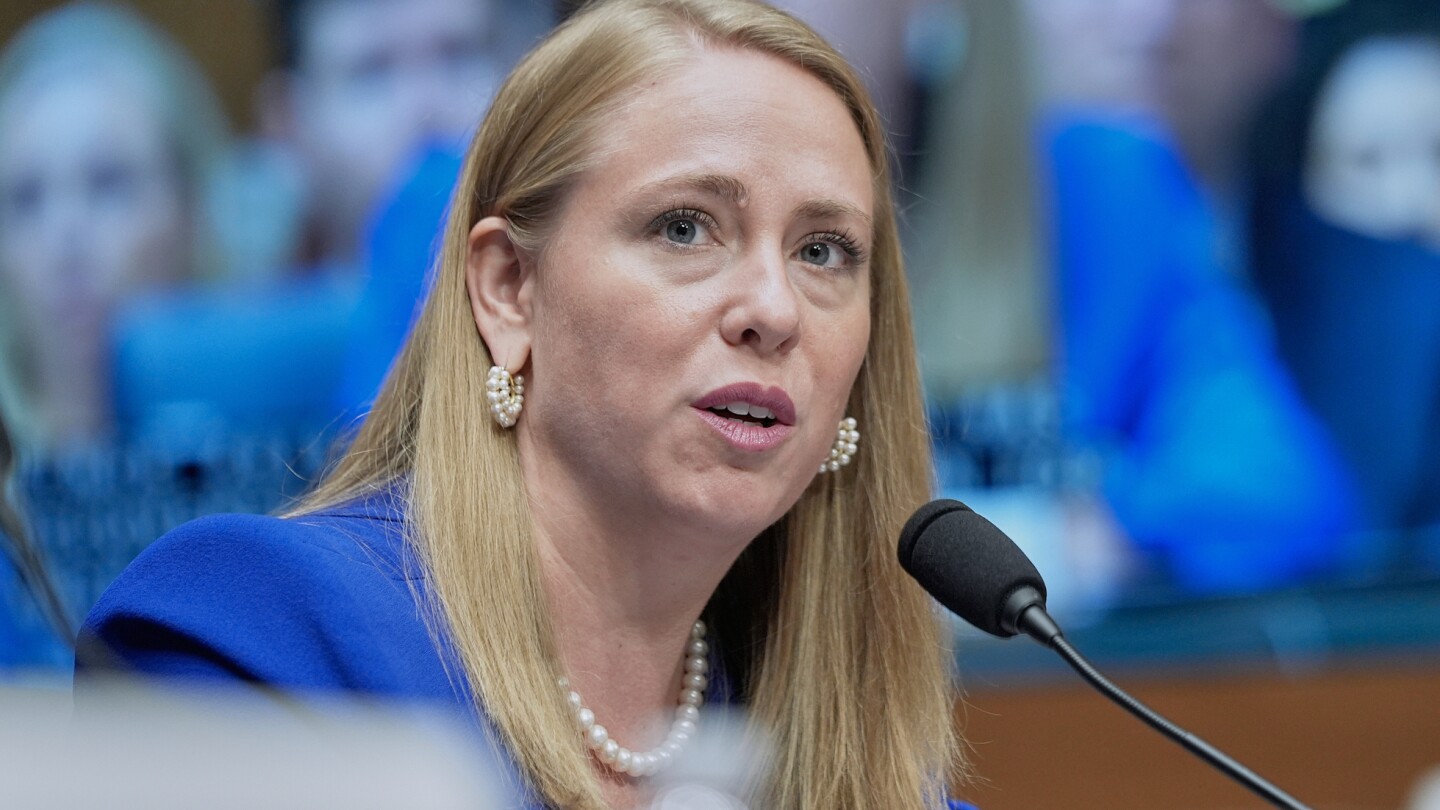
EEOC Chair Andrea Lucas posted on X Wednesday evening, “Are you a white male who has experienced discrimination at work based on your race or sex? You may have a claim to recover money under federal civil rights laws.” The post, which included a video of Lucas herself, directed potential claimants to the agency’s fact sheet on “DEI-related discrimination.”
The message quickly went viral, garnering millions of views and amplifying the administration’s critique of diversity, equity, and inclusion initiatives in the workplace. Lucas posted her appeal just hours after Vice President JD Vance shared an article he described as exposing “the evil of DEI and its consequences.”
Lucas, responding directly to Vance’s post, wrote: “Absolutely right @JDVance. And precisely because this widespread, systemic, unlawful discrimination primarily harmed white men, elites didn’t just turn a blind eye; they celebrated it. Absolutely unacceptable; unlawful; immoral.” She added that the EEOC “won’t rest until this discrimination is eliminated.”
When asked for comment, Lucas defended her approach Thursday evening, stating, “The gaslighting surrounding what DEI initiatives have entailed in practice ends now.” She emphasized that “the EEOC’s doors are open to all,” noting that Title VII of the Civil Rights Act of 1964 “protects everyone, including white men.”
Lucas’s focus reflects a significant shift in the EEOC’s priorities since President Donald Trump named her chair in November. Since becoming acting chair in January, she has redirected agency resources toward “rooting out unlawful DEI-motivated race and sex discrimination,” mirroring Trump’s own executive orders targeting diversity initiatives.
Earlier this year, the EEOC and Department of Justice jointly issued “technical assistance” documents warning that common workplace diversity practices—including training programs, employee resource groups, and fellowship initiatives—could potentially violate civil rights laws depending on their implementation.
These guidance documents have drawn criticism from former EEOC commissioners who argue they misrepresent DEI initiatives as inherently problematic from a legal standpoint.
David Glasgow, executive director of the Meltzer Center for Diversity, Inclusion, and Belonging at the NYU School of Law, criticized Lucas’s characterization of DEI programs. “It’s really much more about creating a culture in which you get the most out of everyone who you’re bringing on board, where everyone experiences fairness and equal opportunity, including white men and members of other groups,” Glasgow said.
Glasgow’s center tracks lawsuits potentially affecting workplace DEI practices. While acknowledging that individual cases of discrimination against white men may occur, he noted the absence of “any kind of systematic evidence that white men are being discriminated against.” He pointed out that white men remain overrepresented in Fortune 500 CEO positions, corporate leadership roles, and Congress relative to their share of the population.
“If DEI has been this engine of discrimination against white men, I have to say it hasn’t really been doing a very good job at achieving that,” Glasgow remarked.
Jenny Yang, a former EEOC chair now with law firm Outten & Golden, called Lucas’s approach “unusual” and “problematic,” suggesting it implies preferential treatment for a specific demographic group.
“It suggests some sort of priority treatment,” Yang said. “That’s not something that sounds to me like equal opportunity for all.” She contrasted this approach with the agency’s reported deprioritization of discrimination complaints from transgender workers.
Yang expressed concern about the message being sent by the agency’s current direction. “It worries me that a message is being sent that the EEOC only cares about some workers and not others,” she said, noting that while the agency must prioritize cases due to limited resources, treating charges differently based on workers’ identities contradicts its fundamental mission.
Fact Checker
Verify the accuracy of this article using The Disinformation Commission analysis and real-time sources.

9 Comments
This is a complex and sensitive topic that deserves a measured, fact-based approach. The EEOC should strive for transparency and fairness in how it addresses all workplace discrimination claims, regardless of the demographics involved.
While the details here are unclear, the EEOC’s call to action raises valid questions about the scope and application of anti-discrimination laws. Hopefully this sparks a thoughtful, evidence-based discussion on workplace equity issues.
Agreed, nuance and context are important. The EEOC should provide clear data and analysis to support its claims, rather than relying on inflammatory rhetoric that could divide rather than unite workers.
This is a hot-button issue that will likely generate strong reactions on both sides. I hope the EEOC can find a balanced way to address workplace discrimination claims without getting drawn into partisan politics.
Wise perspective. The EEOC should strive for impartiality and focus on the facts, rather than inflaming tensions. Their role is to uphold civil rights, not advance any particular ideological agenda.
This is a provocative and controversial stance from the EEOC chair. While discrimination against anyone is unacceptable, singling out white men seems divisive. I’d be curious to see the data behind these claims of systemic bias.
Agreed, the messaging here seems designed more for political posturing than addressing real workplace issues. The EEOC should focus on protecting all workers equally, regardless of race or gender.
The topic of workplace discrimination is complex and nuanced. While I respect the EEOC’s mission, I’m not sure singling out a specific demographic is the best approach. Objective data and fair enforcement should guide the agency’s work.
Absolutely, the EEOC needs to be very careful in how it communicates on this sensitive issue. Any appearance of favoritism or political agenda could undermine public trust in the agency.