


Listen to the article
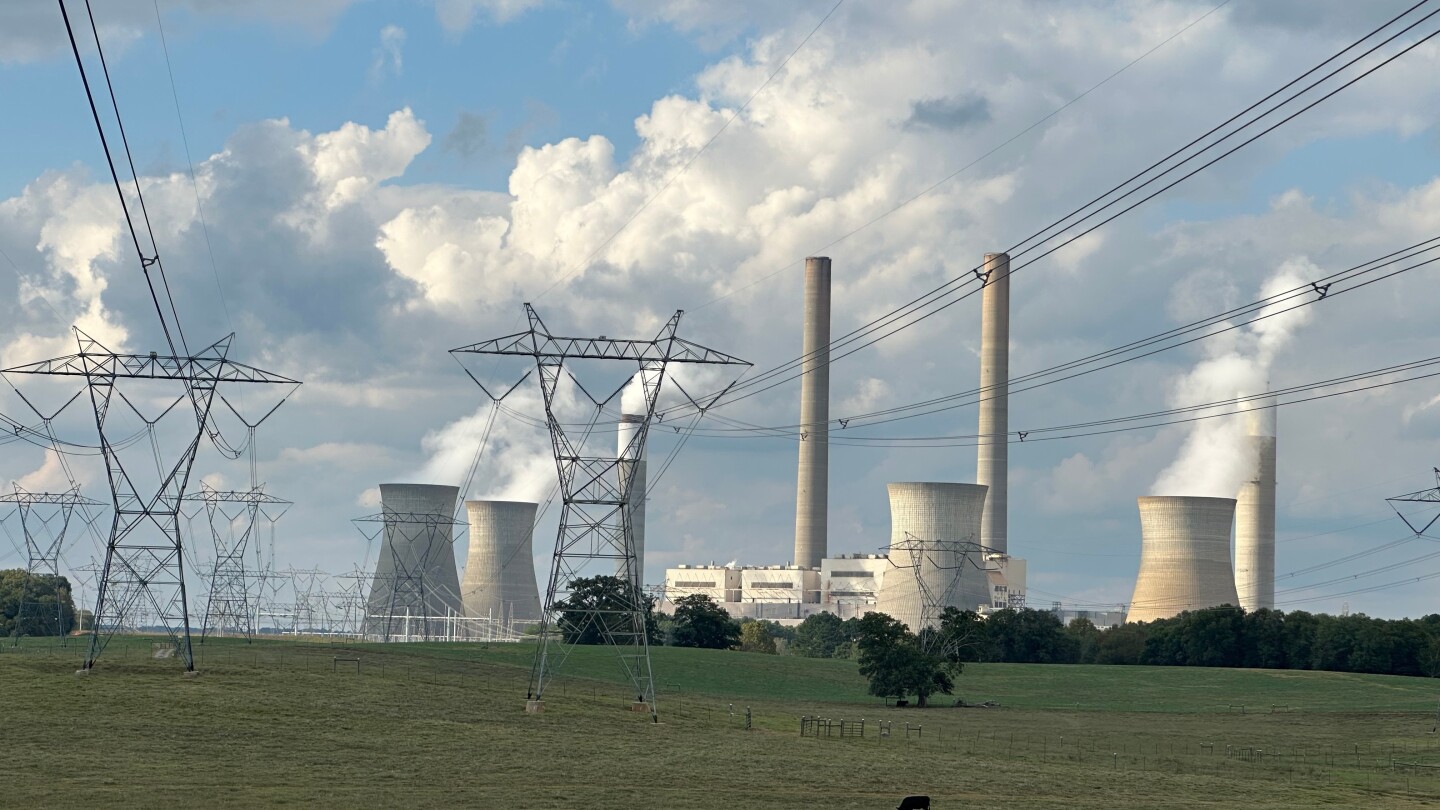
Georgia regulators have unanimously approved Georgia Power’s ambitious plan to increase its power capacity by 50%, primarily to meet the growing electricity demands of data centers. The $16.3 billion construction project represents one of the largest build-outs in the United States aimed at satisfying the energy needs of artificial intelligence developers.
The five-member Public Service Commission voted 5-0 on Friday to greenlight the expansion, which staff members estimate will ultimately cost customers between $50 billion and $60 billion over coming decades when factoring in interest costs and guaranteed profit for the monopoly utility.
Georgia Power CEO Kim Greene praised the decision in a statement following the vote: “Large energy users are paying more so families and small businesses can pay less, and that’s a great result for Georgians.”
Both the utility and commissioners have promised that large users will more than cover their costs, potentially leading to significant reductions in residential power bills beginning in 2029. The agreement specifies “downward pressure” on rates through 2031, which could amount to at least $8.50 a month, or $102 annually, for typical residential customers who currently pay more than $175 monthly including taxes.
However, critics argue that the state’s five elected Republican commissioners are approving a risky gamble that could leave existing ratepayers responsible if projected demand fails to materialize.
“The need for 10,000 megawatts of new capacity resources on the system in the next six years isn’t here,” said Bob Sherrier, an attorney representing opponents of the plan. “It just isn’t, and it may never be.”
The approval comes at a politically sensitive time, less than two months after Georgia voters rejected GOP leadership on the commission by electing two Democrats by substantial margins. These incoming commissioners, Peter Hubbard and Alicia Johnson, who take office January 1, opposed Friday’s vote, but current commissioners refused to delay the decision.
The political implications are significant as electricity bills have become a contentious issue in Georgia and across the country. Grassroots opposition to data centers has emerged partly due to concerns that residential customers will subsidize the power demands of technology giants.
Georgia Power, the largest unit of Atlanta-based Southern Co., claims it needs 10,000 megawatts of new capacity—enough to power 4 million Georgia homes—with approximately 80% allocated to data centers. The utility currently serves 2.7 million customers across homes, businesses, and industries.
The central question throughout the approval process has been whether the company’s forecasts of dramatically increased demand will prove accurate. On December 9, Georgia Power and commission staff reached an agreement allowing the company to build or acquire all the requested capacity, despite earlier staff concerns that the forecast included excessive speculative construction.
Commission Chairman Jason Shaw defended the decision after the vote: “So we’re taking advantage of the upsides from this additional revenue, but allow it to shift the downside and the risk over to the company. And I’m real proud of that.”
Critics point out that “downward pressure” on rates doesn’t guarantee actual reductions. “It doesn’t mean your bills are going down,” explained Liz Coyle, executive director of consumer advocacy group Georgia Watch. “It means that maybe they’re not going up as fast.”
The more significant concern among opponents is that existing customers could end up paying for infrastructure that doesn’t serve data centers, and that Georgia Power’s promises of rate relief might not be enforceable over the 40-plus years needed to pay off new natural gas-fired power plants.
At a Monday news conference, incoming commissioner Hubbard likened the arrangement to a mortgage “to build a massive addition to your home for a new roommate, big tech,” adding, “If in 10 years, the AI bubble bursts or the data centers move to a cheaper state, then the roommate moves out, but the mortgage doesn’t go away.”
Environmental concerns also feature prominently in opposition to the plan. Many critics oppose any new generation fueled by natural gas, warning that increased carbon emissions will exacerbate climate change. Some protesters were removed from Friday’s commission meeting by police after chanting “Nay! Nay! Nay! The people say nay!”
As one opponent, Zak Norton, told commissioners: “Increased natural gas output for the sake of these silicon billionaire kings seems like a lose-lose.”
Fact Checker
Verify the accuracy of this article using The Disinformation Commission analysis and real-time sources.

8 Comments
It’s a bold move by Georgia regulators to greenlight such a massive capacity increase. I hope the utility can deliver on its promises of lower residential rates and reliable service during this expansion.
Agreed. The utility will need to carefully manage this project to avoid cost overruns or service disruptions that could undermine the promised benefits.
This is a significant investment in Georgia’s energy infrastructure. While the data centers will be footing most of the bill, I hope the promised rate reductions for households actually materialize. Reliability will be key.
The scale of this project is impressive, but I have some skepticism around the utility’s claim that large users will fully cover the costs. Residential ratepayers should closely monitor the impact on their bills.
This plan highlights the growing energy demands of the data center industry. While the utility promises rate reductions, I wonder how this will affect Georgia’s overall energy mix and transition to renewable sources.
Good point. The sustainability of the energy sources used to power these data centers will be an important consideration going forward.
I appreciate the utility’s effort to balance the needs of large energy users and residential customers. Maintaining affordable and reliable power during this expansion will be crucial for Georgia’s economic growth.
Interesting move to accommodate the growing data center industry. Curious to see how this will impact residential electricity rates in the long run, as promised. Hope the utility can maintain reliable service during this expansion.