


Listen to the article
JPMorgan Chase announced Wednesday the launch of a comprehensive wealth advising service designed specifically for athletes at all income levels and career stages. The initiative aims to help athletes manage their earnings effectively throughout their lives, not just during their playing careers.
Unlike traditional wealth management programs that target only established stars, JPMorgan’s approach focuses on reaching athletes early in their careers—potentially as early as high school—to establish sound financial habits before significant earnings begin. The program will serve everyone from college athletes just beginning to earn money from name, image, and likeness deals to established professionals planning for retirement in their 30s.
“They are coming into a lot of money, and they don’t know what to do with it,” explained Megan Rapinoe, professional soccer player and Olympic gold medalist, highlighting the financial education gap many athletes face.
The business rationale for JPMorgan is clear. Professional athletes can accumulate substantial wealth during relatively short careers, creating significant potential for wealth management fees. Additionally, the bank stands to benefit from the name recognition and networking opportunities these relationships provide.
Financial struggles among former athletes underscore the urgent need for such services. Academic research reveals that approximately one in six NFL players file for bankruptcy within 12 years of retirement. Even legendary athletes like Mike Tyson, who reportedly earned half a billion dollars during his boxing career, Evander Holyfield, and basketball star Antoine Walker have faced financial ruin despite their substantial earnings.
The common thread in these stories is a lack of financial education. Athletes who suddenly receive large sums of money often lack the knowledge to sustain their wealth over decades.
Peloton instructor Ally Love shared her own experiences with financial intimidation, recalling meetings with bankers that left her confused rather than informed. “I was like, ‘Who’s Roy?’ I thought Roy was spelled with a Y,” Love told The Associated Press, explaining she later discovered “ROI” stood for return on investment. “I just sat there for many years and I said ‘okay’ and ‘sure’, and did a lot of head nodding, but I wasn’t really being informed.”
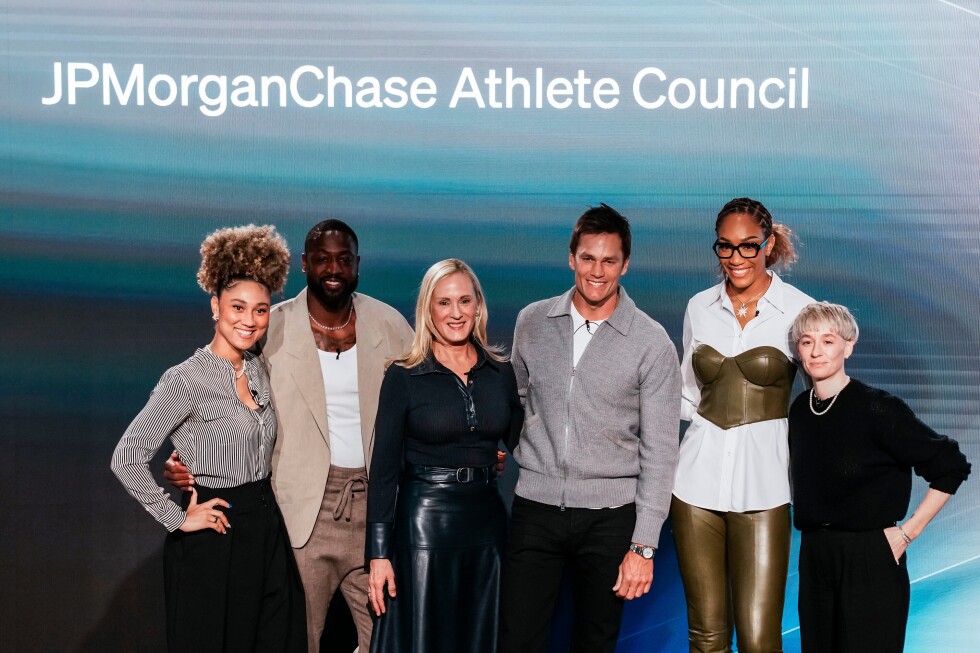
Love is one of nine prominent athletes joining JPMorgan’s new Athlete Council. Other members include NBA Hall of Famer Dwyane Wade, WNBA champion Sue Bird, NFL legend Tom Brady, New York Knicks’ Jalen Brunson, World Cup champion Alex Morgan, New York Giants’ Kayvon Thibodeaux, and four-time WNBA MVP A’ja Wilson.
The initiative was conceived by Kristin Lemkau, CEO of J.P. Morgan Wealth Management, who recognized a significant gap in financial services for athletes. After meeting Love at the U.S. Open tennis tournament, Lemkau invited her to join the program, explaining that financial institutions typically pursue only the biggest names while neglecting those who need guidance most.
“There is an underserved segment of athletes, whether they are young and in college, professionals, or retired,” Lemkau said. “They’re all different. And most financial services companies are going after the Ally Loves, the Tom Bradys and the Dwyane Wades, and 99.99% of athletes don’t fit into that space.”
Both Lemkau and Love acknowledged that athletes, like anyone experiencing sudden wealth, will naturally want to enjoy luxury purchases. However, the program emphasizes the importance of sustainable financial planning that allows athletes to live comfortably decades after their playing careers end.
As Love succinctly put it: “Enjoy the fruits, but also let the fruit last.”
The initiative represents a significant shift in how financial institutions approach athlete wealth management, focusing on education and long-term planning rather than simply catering to established stars who have already accumulated substantial wealth.
Fact Checker
Verify the accuracy of this article using The Disinformation Commission analysis and real-time sources.

22 Comments
Reaching out to college athletes earning from NIL deals is a smart move. Those early earnings can be both exciting and risky if not managed properly. Good on JPMorgan for addressing that gap.
Agreed, the NIL deals open up new financial opportunities but also new risks for young athletes. Proactive guidance will be key to helping them navigate that.
I’m curious to know more about the specific financial education and planning services they’ll be offering. The ability to tailor the approach for athletes at different career stages seems really important.
Good point. The flexibility to address the unique needs of athletes, from high schoolers to established pros, will be key to the program’s success.
This initiative highlights the critical importance of financial literacy, especially for young people coming into sudden wealth. Providing that guidance early on can make a huge difference in their long-term outcomes.
Absolutely. Financial education is often overlooked, but it’s a vital life skill, especially for high-earning athletes who need to plan for the future.
This sounds like a comprehensive program that could really make a difference for athletes at all stages of their careers. The focus on financial literacy and long-term planning is crucial.
Absolutely. Too many athletes struggle with managing their wealth, so having a dedicated advisory service like this could be game-changing.
I’m curious to see how JPMorgan’s approach compares to other financial advisory services for athletes. The focus on reaching them early, even in high school, is an interesting angle.
Yes, the early intervention is key. Getting athletes set up with the right financial habits before the big money comes in could make a world of difference.
Kudos to JPMorgan for recognizing this unmet need and taking action. Athletes need specialized support to handle the unique financial challenges they face, both during and after their careers.
Exactly. The wealth management industry has historically overlooked this demographic, so it’s great to see a major player stepping up to fill that gap.
Retirement at 35? That’s an impressively short career span. This program will be critical for helping those athletes transition to life after sports and ensure their wealth lasts.
Absolutely, the short career length is a real challenge. Proper financial planning and education is essential to set them up for long-term financial security.
Interesting initiative by JPMorgan to help athletes manage their wealth. Many young athletes struggle with financial literacy and planning, so this could be very valuable. It’s smart to reach them early before they accumulate substantial earnings.
Agreed, getting athletes set up for long-term financial stability is crucial. The short careers and sudden influx of wealth can be challenging to navigate.
It will be interesting to see how this program evolves and the impact it has on athletes’ financial well-being. Addressing this gap could have ripple effects throughout the sports world.
Agreed, this has the potential to become a model for how to better support athletes in managing their wealth and planning for life after sports.
This program seems like a proactive approach to address a common problem. Helping athletes develop healthy money habits from the start could have a big impact on their lives after sports. Well done, JPMorgan.
Absolutely. Too many talented athletes end up bankrupt after retirement. Providing that guidance early on is a smart move.
This sounds like a much-needed service. Too many talented athletes have had their careers and lives derailed by poor financial decisions. Kudos to JPMorgan for taking this on.
Exactly. Providing that guidance and support early on could be truly transformative for athletes’ long-term financial security and well-being.