


Listen to the article
French Navy Intercepts Russian-Linked Tanker in Mediterranean Amid Sanctions Enforcement
French naval forces intercepted and boarded a tanker in the Mediterranean Sea on Friday that officials claim is part of Russia’s “shadow fleet” used to evade international sanctions imposed following Moscow’s invasion of Ukraine.
The vessel, identified as the Deyna, was flying the flag of Mozambique but had departed from the Russian port of Murmansk, according to a statement from French maritime authorities for the Mediterranean. The operation was conducted in cooperation with British forces, who had been monitoring the ship’s movements.
“This operation aimed to verify the nationality of the vessel,” the maritime authorities stated. Documents discovered during the boarding “confirmed doubts about the validity of the flag,” suggesting the tanker was operating under false pretenses—a common tactic used to circumvent international shipping regulations and sanctions.
Following the interception, French naval forces diverted the Deyna to an anchorage point for further inspection, and the case has been referred to a prosecutor in Marseille for potential legal action.
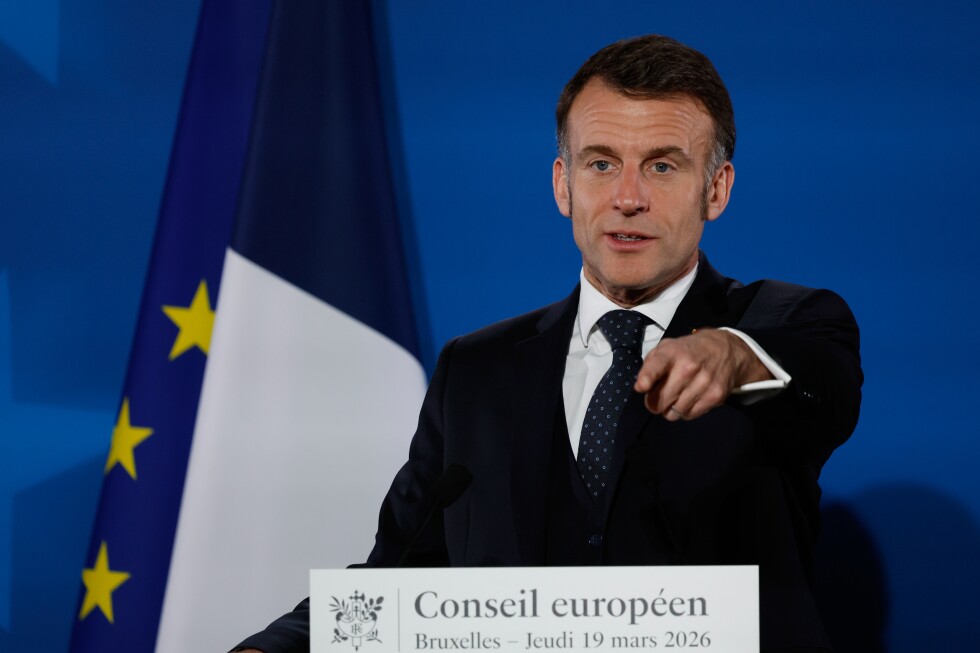
French President Emmanuel Macron addressed the operation directly on social media platform X, describing the Deyna as part of Russia’s “shadow fleet” — vessels deliberately operating outside international law to support Russia’s war efforts.
“These vessels, which circumvent international sanctions and violate the law of the sea, are war profiteers. They seek to generate profits and finance Russia’s war effort,” Macron stated. “We won’t let this happen.”
Since Russia’s invasion of Ukraine in February 2022, Western nations have imposed extensive sanctions targeting the Russian economy, including restrictions on its energy exports. In response, Russia has reportedly assembled a fleet of hundreds of vessels operating outside normal regulatory frameworks to continue oil shipments and maintain revenue streams.
Maritime security experts estimate that this shadow fleet now comprises more than 600 tankers of various sizes, many using false documentation, manipulated location data, and frequent identity changes to avoid detection. The ships often transfer cargo at sea rather than docking at regulated ports, further complicating enforcement efforts.
Friday’s operation marks France’s third significant interception of suspected sanction-evading vessels in recent months. In January, the French navy intercepted another oil tanker in the Mediterranean sailing from Russia, which was released last month after paying a substantial multi-million-euro penalty.
Prior to that, in September 2023, French naval forces boarded an oil tanker off France’s Atlantic coast that Macron also linked to Russia’s shadow fleet. That operation drew sharp criticism from Russian President Vladimir Putin, who characterized it as “piracy.”
The European Union, United States, and allies have increasingly focused on closing sanctions loopholes in the maritime sector. The G7 nations implemented a price cap on Russian oil in December 2022, prohibiting Western companies from providing shipping, insurance, or financial services for Russian oil sold above $60 per barrel.
Despite these measures, Russia has adapted its export strategies, with analysts estimating that the Kremlin earns approximately $15-20 billion monthly from energy exports that continue to flow through alternative channels and to markets in Asia.
Maritime law experts note that these interceptions operate in a complex legal framework involving international maritime conventions, sanctions enforcement authority, and territorial waters jurisdiction. The increasing frequency of such operations suggests a more aggressive approach by Western nations to enforce sanctions as the Ukraine conflict enters its third year.
Fact Checker
Verify the accuracy of this article using The Disinformation Commission analysis and real-time sources.

7 Comments
The French Navy’s interception of this tanker is a strong signal that the international community is vigilant about tracking Russia’s attempts to skirt the sanctions. Maintaining pressure on the Kremlin’s finances is key.
Agreed. Every effort to disrupt Russia’s access to global trade and financing is vital given the unprovoked invasion of Ukraine.
This operation highlights the importance of robust maritime surveillance and intelligence-sharing between allies to counter Russia’s efforts to maintain its energy exports. Vigilance is essential.
While the details are still emerging, this interception suggests Russia is getting increasingly desperate to find ways around the sanctions. The global community must remain united in its resolve to isolate Moscow.
This is a concerning development in the ongoing efforts to enforce sanctions against Russia. It’s crucial that all nations work together to prevent Moscow from circumventing these important measures.
I’m curious to see what legal actions may result from this incident. Ensuring there are real consequences for sanctions evasion is an important part of upholding the international order.
Yes, following through with prosecution will be crucial to deter future attempts at sanctions circumvention. Russia must be held accountable.