


Listen to the article
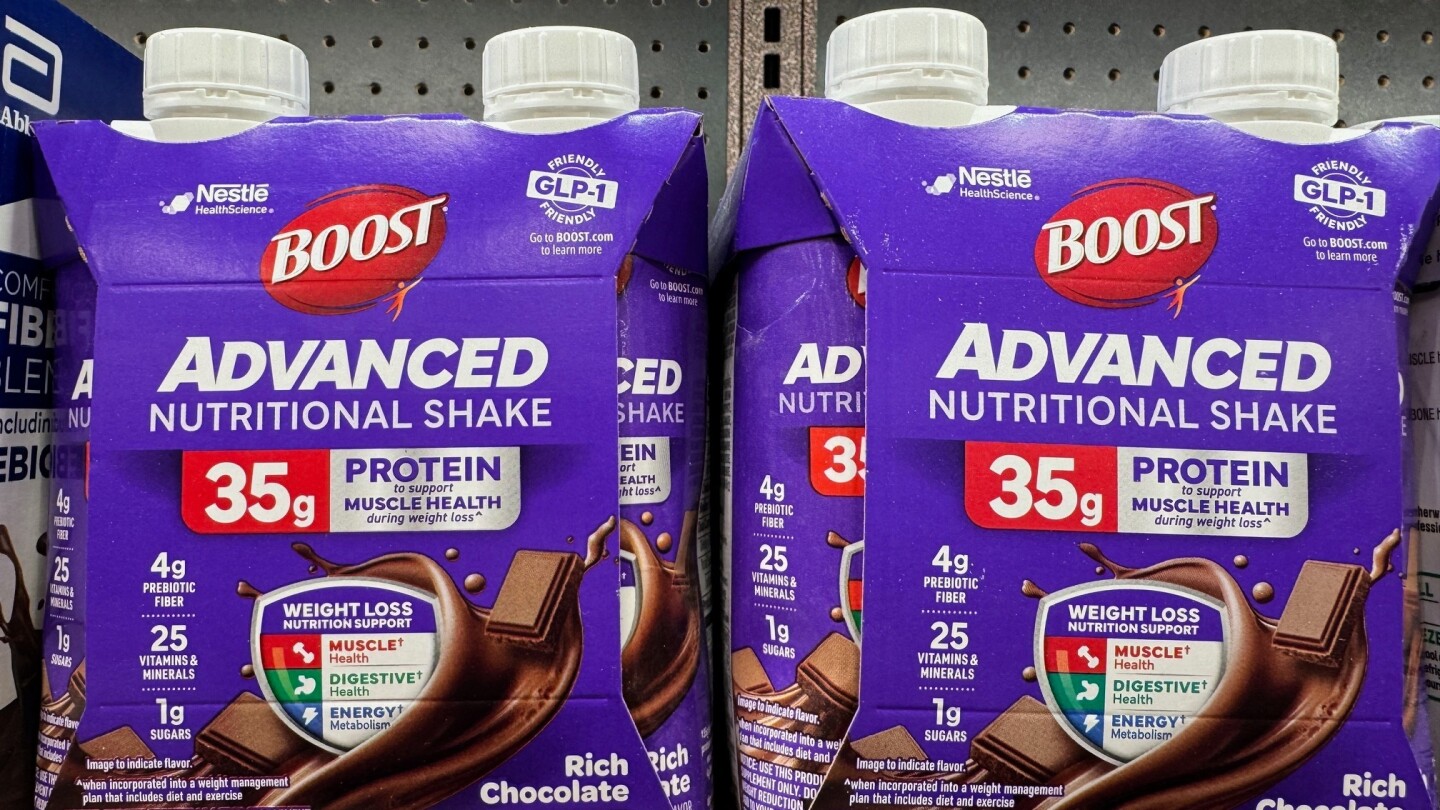
The rise of “GLP-1 Friendly” food products has sparked a new marketing trend across American supermarkets as more consumers turn to obesity medications like Wegovy and Zepbound for weight loss. These labels, however, exist in a regulatory gray area, prompting nutrition experts to caution consumers about their meaning and reliability.
Unlike the medications themselves, which undergo rigorous FDA approval processes, the “GLP-1 Friendly” designation on food packaging lacks regulatory standards or official oversight. This has raised concerns among dietitians who emphasize the importance of informed dietary choices for patients using these medications.
“A drug does not educate you on how to eat properly,” warns Suzy Badaracco, a registered dietitian and president of food trends forecasting firm Culinary Tides. “You’re not magically going to be educated—without a doctor’s help—to eat healthy.”
Nutrition experts point out that while GLP-1 users’ basic nutritional requirements mirror those of the general population, their reduced appetite—typically about 50% less food consumption—means each meal must deliver more nutritional value.
“Every bite needs to be nutritious,” explains Shannon Christen, a dietitian with UCHealth University of Colorado Hospital. She recommends patients consume 20-30 grams of protein per meal to maintain muscle mass during weight loss, amounting to roughly 1.2 grams per kilogram of body weight daily.
Fiber intake remains crucial for GLP-1 users, particularly as constipation is a common side effect of these medications. Samantha Snashall, a registered dietitian at Ohio State University’s Wexner Medical Center, advises patients to follow the USDA’s recommendation of approximately 14 grams of fiber for every 1,000 calories consumed.
Hydration presents another challenge, as GLP-1 drugs can suppress thirst signals. Badaracco recommends consuming fresh fruits and vegetables for hydration along with regular water intake throughout the day. Foods high in sugar, saturated fat, or spicy and acidic ingredients should be limited as they may exacerbate medication side effects.
Major food manufacturers have quickly identified this growing market segment. According to Kaiser Family Foundation data, about 12% of U.S. adults were taking GLP-1 medications as of November 2023 for weight management or conditions like diabetes. With Wegovy’s recent introduction in pill form, industry experts anticipate further growth in this consumer base.
Nestle entered this space in fall 2024 with its Vital Pursuit frozen meal brand, initially launching without the “GLP-1 Friendly” designation but later adding it after consumer feedback. Jennifer Barnes, Nestle’s vice president of brand marketing for frozen meals, reports strong sales with a surprising 77% of purchases coming from households where no one uses GLP-1 medications.
Conagra Brands has labeled 26 Healthy Choice frozen meals as “GLP-1 Friendly,” while restaurant chain Smoothie King offers a “GLP-1 Support Menu.” Factor meal kits markets a “GLP-1 Balance” option. Both Conagra and Nestle received approval from the USDA’s Food Safety and Inspection Service to use these labels, as they include statements about protein and fiber content and aren’t considered misleading.
Other companies target GLP-1 users without explicit labeling. French yogurt producer Lactalis launched Ratio Pro Fiber yogurt in the U.S. market in November, containing 20 grams of protein and 10 grams of fiber per serving. Restaurant chains Chipotle and Shake Shack have introduced protein-rich menu items with these consumers in mind.
Dietitians caution that convenience foods may help GLP-1 users who have limited cooking time, but consumers should scrutinize ingredient lists carefully. “Labels can be very misleading, making a person think it’s healthier than it is,” Snashall warns.
Christen hopes that if “GLP-1 Friendly” labeling persists, it will represent truly nutrient-dense foods in appropriate portions. “Done responsibly, I think the labels could actually help people make smart choices while they’re on therapies, but done poorly, it could trivialize the medical treatment and drift into diet culture marketing.”
Badaracco takes a more cautious approach, advising food industry clients against using such labels entirely. She recommends focusing on specific benefits rather than associating with medication terminology: “You want to talk to the consumer about what it is that they’re looking for. They’re looking for protein, they’re looking for fiber, a good source of hydration, great flavor, it keeps your energy up.”
Fact Checker
Verify the accuracy of this article using The Disinformation Commission analysis and real-time sources.

12 Comments
This trend highlights the need for clearer guidelines around nutritional claims for consumers using weight loss medications. While convenient, the ‘GLP-1 Friendly’ labels lack the oversight to ensure they are actually meeting patients’ dietary needs.
Agreed. Patients should be wary of marketing hype and work closely with their healthcare providers to develop an appropriate eating plan to support their medication regimen.
While the ‘GLP-1 Friendly’ labels may seem appealing, the lack of regulation is concerning. Patients need to work closely with their doctors and dietitians to ensure they are getting the proper nutrients to support their weight loss journey.
Agreed. These medications can be an important tool, but patients shouldn’t rely on marketing claims. A comprehensive approach with medical supervision is key to achieving sustainable, healthy weight loss.
As the obesity epidemic drives demand for weight loss solutions, it’s not surprising to see food companies trying to capitalize. However, the ‘GLP-1 Friendly’ labels raise red flags around transparency and patient safety.
Absolutely. Proper nutrition is critical for patients using GLP-1 drugs, and that requires guidance from qualified medical professionals, not just front-of-package claims.
Interesting to see food companies capitalizing on the growing popularity of GLP-1 weight loss drugs. However, the lack of regulatory oversight on ‘GLP-1 Friendly’ labels is concerning. Patients need guidance from doctors and dietitians to ensure proper nutrition while using these medications.
You’re right, the ‘GLP-1 Friendly’ labeling seems like a gray area. Patients relying on these drugs need a balanced, nutrient-dense diet, not just marketing claims.
The rise of ‘GLP-1 Friendly’ food products highlights the need for more oversight and transparency around nutritional claims, especially for consumers using prescription weight loss drugs. Patients deserve clear, science-based guidance, not just marketing tactics.
Well said. Maintaining proper nutrition is critical for the success and safety of GLP-1 drug users. Relying on unregulated labels could lead to unintended consequences.
This trend raises important questions about the role of food companies in supporting patients using weight loss medications. While convenient, the ‘GLP-1 Friendly’ labels lack the regulatory oversight to ensure they are truly meeting patients’ dietary needs.
Exactly. Patients need to work closely with their healthcare team to develop a comprehensive plan, not just look for shortcuts on food packaging.