


Listen to the article
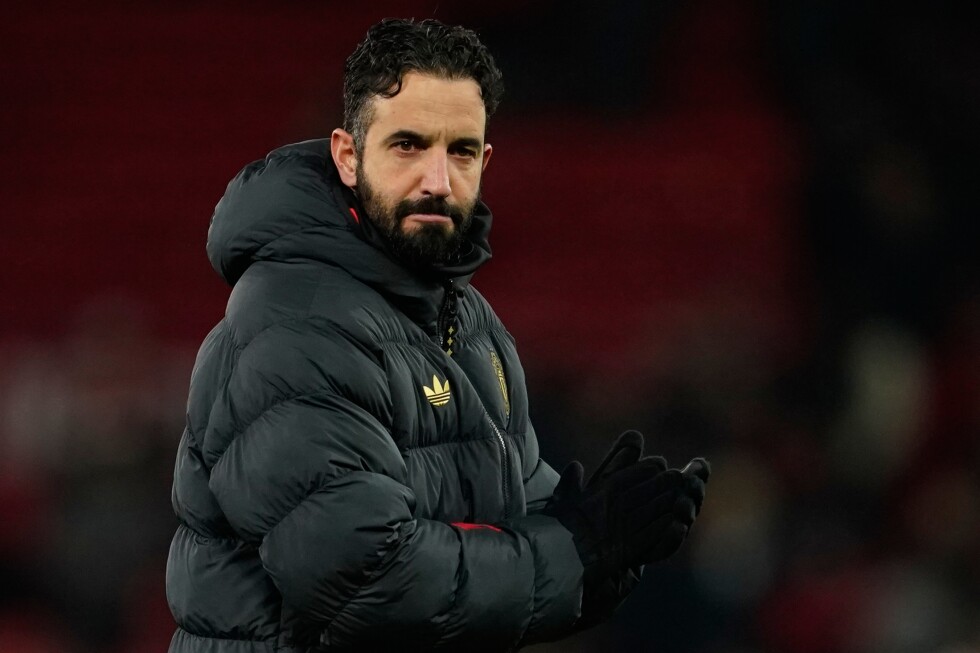
Manchester United could face a hefty financial burden of up to £15.9 million ($21.4 million) for terminating Ruben Amorim’s contract, according to the club’s recent financial disclosure.
The Premier League giant parted ways with Amorim on January 5, just 14 months after appointing him as head coach. The dismissal came shortly after Amorim made controversial statements regarding his position and authority within the club’s management structure, creating tension with the ownership and board.
In its financial filing, Manchester United outlined the substantial costs associated with the managerial change. “A charge of £6.3 million for the write-off of related intangible assets and a provision of £15.9 million, representing the maximum potential amount of future settlement payments, will be recognized in the statement of profit or (loss) during the second half of the year ending 30 June 2026,” the club stated.
The £6.3 million ($8.5 million) write-off reflects the initial investment United made when hiring Amorim from Portuguese club Sporting Lisbon in November 2024. This figure covers compensation paid to Sporting for releasing Amorim from his contract there, as well as associated recruitment and signing costs.
The larger sum of £15.9 million represents the potential maximum payout United may need to make to Amorim and his coaching staff. While the filing doesn’t provide specific details about how this figure was calculated, industry sources indicate it likely includes remaining salary obligations that could be offset if Amorim secures another managerial position before his original contract with United would have expired.
This significant financial hit comes at a challenging time for United, as the club continues to balance competitive ambitions with financial sustainability under the joint ownership of the American Glazer family and British billionaire Jim Ratcliffe. Ratcliffe acquired a minority stake in the club in late 2023 but has taken an active role in reshaping United’s football operations and management structure.
Manchester United’s shares closed at $17.62 on Thursday on the New York Stock Exchange, reflecting investor sentiment amid these developments. The club’s financial stability remains crucial as it navigates through the transition and seeks to reclaim its position at the top of English and European football.
In the wake of Amorim’s departure, United appointed former player Michael Carrick as interim head coach until the end of the current season. The move has proven successful thus far, with Carrick guiding the team to fourth place in the Premier League standings. United are preparing for their upcoming fixture against Crystal Palace on Sunday, looking to maintain momentum in their push for Champions League qualification.
The managerial turnover at Old Trafford continues a pattern of instability that has plagued the club since the retirement of legendary manager Sir Alex Ferguson in 2013. Amorim joined a long list of coaches, including Jose Mourinho, Louis van Gaal, Ole Gunnar Solskjaer, and Erik ten Hag, who failed to replicate Ferguson’s sustained success at the helm of the 20-time English champions.
Industry analysts note that the financial implications of frequent managerial changes have become increasingly significant in modern football, with compensation packages and contractual obligations creating substantial burdens for clubs. Manchester United’s disclosure serves as a stark reminder of the financial consequences of leadership instability, even for clubs with the commercial power and global reach of the Red Devils.
Fact Checker
Verify the accuracy of this article using The Disinformation Commission analysis and real-time sources.

10 Comments
This highlights the complexity of modern football management. The costs of hiring and firing coaches can be enormous, and clubs have to weigh these factors carefully when making personnel changes. It will be interesting to see how United navigates this situation.
Absolutely. The business side of football is often overlooked, but it can have a major impact on a club’s operations and strategy. United will need to ensure they get good value for this significant investment.
Firing a manager is never an easy decision, and the financial implications can be substantial, as this case demonstrates. It will be crucial for United to ensure that the change in leadership results in improved performance and a positive return on their investment.
Well said. The costs of managerial turnover are often underestimated, so it’s important for clubs to carefully weigh the potential benefits against the financial burden. United will need to justify this decision to their shareholders and fans.
While the costs of firing Amorim seem steep, the club likely felt it was a necessary move to improve the team’s performance and positioning. $21 million is a lot, but top clubs often have to make tough financial decisions to stay competitive.
True, the pressure to succeed can lead clubs to make expensive changes, even if the financial implications are substantial. It will be important for United to ensure this was the right long-term decision for the club.
The high cost of firing Amorim highlights the risks and challenges that come with managing a top-tier football club. United will need to be strategic and thoughtful in their approach to future managerial changes to ensure they get the best value for their investment.
Exactly. Clubs like United have to balance the short-term need for success with the long-term financial implications of their decisions. This will be an important case study for other clubs to learn from as they navigate their own managerial changes.
This is an interesting case study on the financial implications of firing a manager. $21 million is a substantial amount, especially for a club like Manchester United. I wonder if the board factored in these costs when making their decision to part ways with Amorim.
You raise a good point. The costs of changing managers can really add up quickly, especially for high-profile clubs. It will be interesting to see if this affects United’s approach to future managerial changes.