


Listen to the article
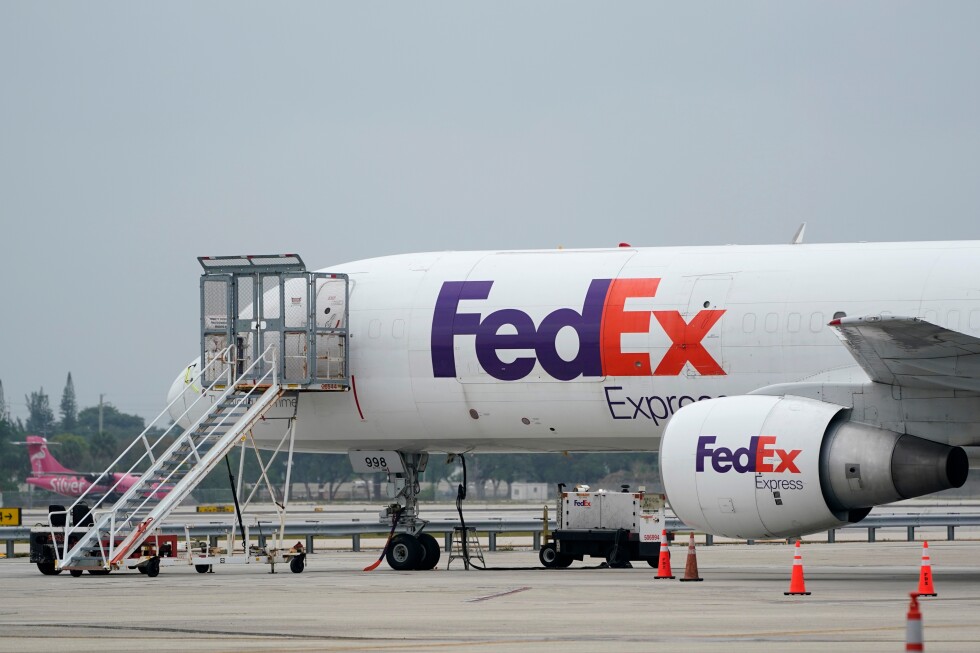
FedEx is pursuing legal action against the U.S. government, seeking a complete refund of tariffs it paid under President Donald Trump’s trade policies after the Supreme Court ruled the levies unconstitutional.
In its filing with the U.S. Court of International Trade, the shipping giant claims it “suffered injury” from having to pay these tariffs and is requesting judicial relief to address these damages. The case represents one of the first major corporate challenges following the landmark Supreme Court decision.
FedEx joins a growing list of prominent American businesses seeking compensation for tariff payments. Retail giant Costco and cosmetics company Revlon have already initiated similar efforts to reclaim funds paid under what the Supreme Court has now deemed illegal trade measures.
The National Retail Federation welcomed the court’s decision, noting in a Friday statement that it provides much-needed certainty for U.S. businesses and manufacturers operating in global markets. “We urge the lower court to ensure a seamless process to refund the tariffs to U.S. importers,” the industry group stated. “The refunds will serve as an economic boost and allow companies to reinvest in their operations, their employees and their customers.”
The Supreme Court’s 6-3 ruling last Friday struck down Trump’s expansive global tariffs imposed under emergency powers legislation. The decision represents a significant blow to the former president’s trade policy legacy, which centered on aggressive tariffs against numerous trading partners.
Trump responded harshly to the ruling, expressing that he was “absolutely ashamed” of some justices who ruled against him. He described them as “disloyal to our Constitution” and “lapdogs,” even suggesting potential foreign influence without providing evidence for such claims.
According to federal data, the Treasury had collected more than $133 billion from import taxes imposed under the emergency powers law as of December. The economic impact of these tariffs over the next decade had been projected at approximately $3 trillion before the court’s intervention.
The ruling specifically targeted Trump’s use of Section 232 of the Trade Expansion Act of 1962, which allows presidents to impose tariffs on national security grounds. The court found Trump’s application of this provision unconstitutional, particularly regarding the “reciprocal” tariffs he implemented against nearly every other country during his administration.
The decision creates significant implications for global trade relations and domestic economic policy. For companies like FedEx that facilitate international commerce, the tariffs created additional operational costs that were often passed along the supply chain, affecting pricing and competitiveness.
In response to the setback, Trump has vowed to pursue alternative methods to implement his tariff agenda. He immediately turned to Section 122 of the Trade Act of 1974, which permits the president to impose tariffs up to 15% for a maximum of 150 days. However, any extension beyond that period requires congressional approval—a potentially difficult hurdle with midterm elections approaching and legislators generally reluctant to support what amounts to tax increases.
The case highlights ongoing tensions between executive trade authority and congressional oversight in U.S. trade policy. It also underscores the significant economic stakes for businesses operating in international markets who must navigate changing regulatory environments.
As more companies follow FedEx’s lead in seeking refunds, courts will need to establish clear procedures for processing potentially billions of dollars in claims, creating both administrative challenges and economic opportunities as these funds potentially return to private enterprise.
Fact Checker
Verify the accuracy of this article using The Disinformation Commission analysis and real-time sources.

7 Comments
The Supreme Court’s decision provides much-needed clarity for businesses operating in global markets. Allowing refunds to importers who paid these illegal tariffs could provide an economic boost and free up capital for reinvestment.
This development is worth monitoring, as it could have ripple effects across various industries that were subject to the Trump administration’s trade policies. The refunds could unlock significant capital for reinvestment.
I’m curious to see how widespread these refund efforts will be. Aside from FedEx, Costco and Revlon have already initiated similar challenges. This could be an opportunity for many companies to recoup funds and reinvest in their operations.
This is an interesting development. FedEx is taking legal action to recoup tariff payments after the Supreme Court ruled the Trump-era levies unconstitutional. It will be worth watching how the courts handle these refund requests from affected companies.
This is an important precedent for businesses seeking to recoup funds paid under what the courts have now deemed unconstitutional trade measures. It could set the stage for further challenges and refund efforts across various industries.
The Supreme Court’s ruling seems to have provided a clear legal path for companies to challenge the previous tariffs. It will be interesting to see if the lower courts move quickly to facilitate these refund processes.
The National Retail Federation’s call for a ‘seamless process’ to refund these tariffs is understandable. Efficient and timely handling of these claims could provide an important economic boost, as the industry group suggests.