


Listen to the article
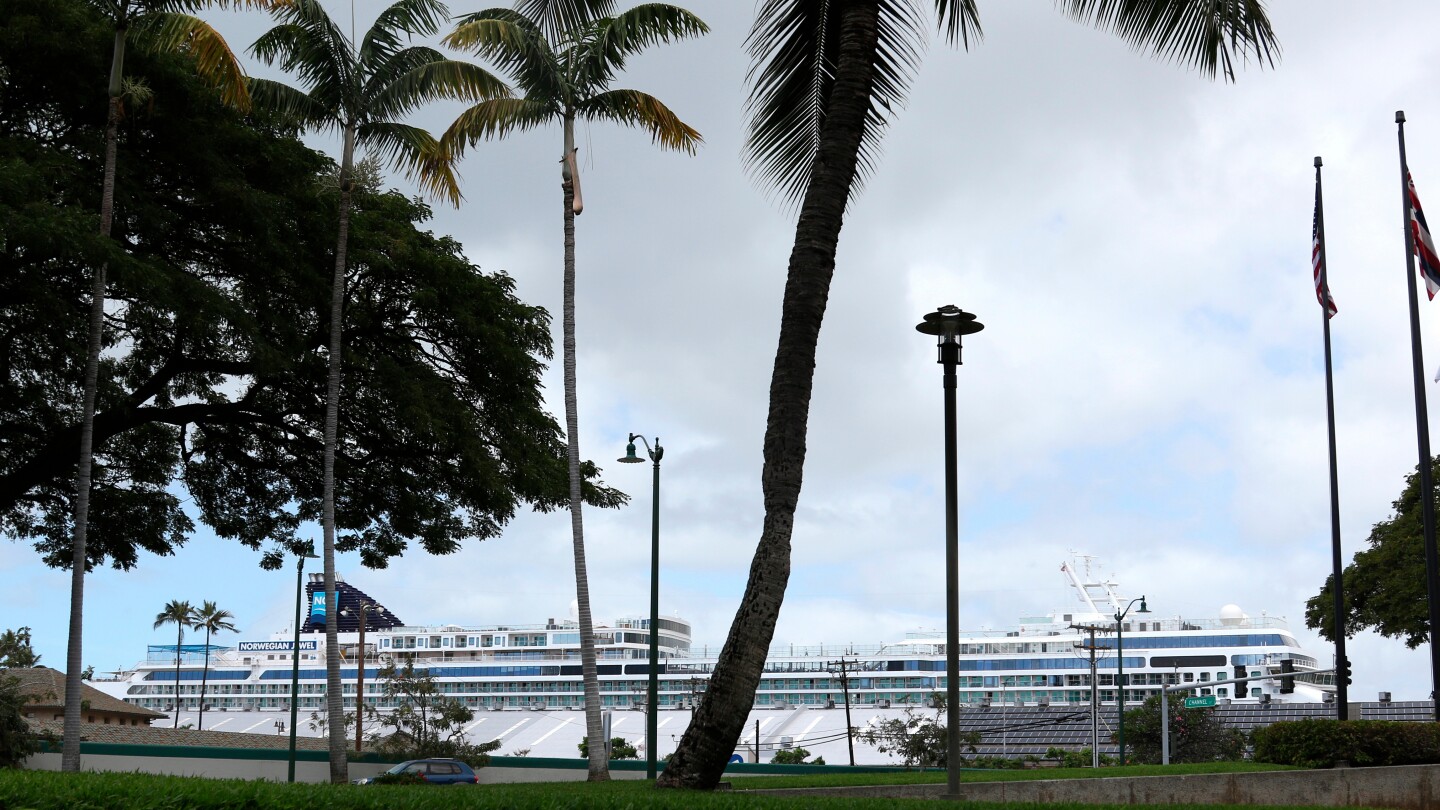
A federal judge has cleared the way for Hawaii to implement a pioneering climate change tax on cruise ship passengers, rejecting an industry challenge to the first-of-its-kind levy in the United States.
U.S. District Judge Jill A. Otake denied a request on Tuesday to block enforcement of the new law, which will impose an 11% tax on gross fares paid by cruise passengers starting in 2026. The tax will be prorated based on the number of days vessels spend in Hawaiian ports.
Hawaii Governor Josh Green signed the groundbreaking legislation in May as part of the state’s efforts to address climate change impacts, including eroding shorelines and increased wildfire risk. The measure is expected to generate nearly $100 million annually for climate resilience projects throughout the islands.
The tax package not only increases rates on hotel and vacation rental stays but extends taxation to the cruise industry, which has previously operated without comparable fees. Counties are also authorized to collect an additional 3% surcharge, potentially bringing the total tax rate to 14% of prorated cruise fares.
Cruise Lines International Association (CLIA), the industry’s leading trade group, filed a lawsuit challenging the tax alongside several local businesses that service cruise ships or depend on their passengers. Their legal challenge argues that the tax violates the U.S. Constitution by effectively taxing cruise lines for the privilege of entering Hawaiian ports.
“Cruise tourism generates nearly $1 billion in total economic impact for Hawaiʻi and supports thousands of local jobs, and we remain focused on ensuring that success continues on a lawful, sustainable foundation,” CLIA spokesperson Jim McCarthy said in a statement following the ruling.
Industry representatives have expressed concerns that the tax will harm Hawaii’s tourism economy by making cruises to the islands less affordable. Hawaii’s tourism sector, a cornerstone of the state’s economy, has faced various challenges in recent years, including the COVID-19 pandemic and the devastating Maui wildfires in 2023.
Court records indicate that the plaintiffs plan to appeal the decision. They have asked Judge Otake to grant an injunction pending appeal, requesting a ruling by Saturday afternoon due to the law’s January 1 implementation date.
The legal battle has attracted attention from the federal government, which has intervened in the case. U.S. government representatives characterized the tax as a “scheme to extort American citizens and businesses solely to benefit Hawaii” that conflicts with federal law.
Hawaii Attorney General Anne Lopez defended the legislation, stating that the state will continue to support the law, which requires cruise operators to “pay their fair share of transient accommodation tax to address climate change threats to the state.”
Climate change poses particular challenges to Hawaii as an island state. Rising sea levels threaten coastal communities and infrastructure, while changing weather patterns have increased the risk of drought and wildfires. The August 2023 Maui wildfires, which devastated the historic town of Lahaina and killed at least 100 people, highlighted the islands’ vulnerability to climate-related disasters.
The cruise industry’s challenge comes at a time when many tourist destinations worldwide are reconsidering their approaches to mass tourism, with several European cities and ports implementing new taxes or restrictions on cruise ships due to environmental and overcrowding concerns.
If upheld through appeal, Hawaii’s climate tax could establish a precedent for other tourist destinations facing similar environmental challenges, potentially inspiring comparable legislation elsewhere in the United States and internationally as governments seek funding mechanisms for climate adaptation and mitigation.
Fact Checker
Verify the accuracy of this article using The Disinformation Commission analysis and real-time sources.

20 Comments
While the cruise industry may oppose this tax, it’s a creative approach to funding climate resilience projects in Hawaii. I’m curious to see how the state plans to allocate the revenue generated.
Tourists should expect to pay their fair share for the environmental impact of their travel, so this tax seems like a reasonable way to do that.
A climate change tax on cruise passengers is an intriguing approach to funding adaptation efforts in Hawaii. I’m curious to see how the state plans to allocate the revenue and whether the policy can serve as a model for other tourism-dependent regions.
The cruise industry’s legal challenge highlights their resistance to new environmental regulations, but Hawaii appears committed to moving forward with this initiative.
A climate change tax on cruise passengers is a unique approach that could serve as a model for other coastal destinations grappling with the impacts of tourism. I’m interested to see how this policy evolves over time.
The cruise industry’s legal challenge highlights their resistance to new environmental regulations, but Hawaii appears committed to moving forward with this initiative.
This climate change tax on cruise passengers is an innovative policy that could set a precedent for other tourism-dependent regions. It will be interesting to see how the industry responds and whether the revenue is effectively used for adaptation efforts.
Ensuring transparency and accountability in the allocation of the tax revenue will be crucial for the success of this initiative.
While the cruise industry may oppose this tax, it’s positive to see Hawaii taking proactive steps to fund climate resilience projects. Tourists should expect to pay their fair share for the environmental impact of their travel.
It will be important to ensure the tax revenue is transparently allocated and used for the intended purpose of climate adaptation.
This tax seems like a sensible way for the cruise industry to contribute to addressing the climate crisis in Hawaii. I hope the revenue is used effectively to protect the islands’ vulnerable ecosystems.
It will be important to monitor the implementation and impacts of this policy to ensure it achieves its intended goals.
This tax seems like a reasonable way for the cruise industry to contribute to addressing climate change in Hawaii. The funds generated could make a real difference in the state’s adaptation efforts.
I wonder how the tax rate was determined and if it will be adjusted over time as needed. Effective climate policies often require flexibility.
A climate change tax on cruise passengers is an interesting approach to addressing environmental impacts. I’m curious to see how it’s implemented and how the funds are used for climate resilience projects in Hawaii.
The cruise industry likely has concerns about the tax impacting their business, but if the revenue is directed towards meaningful climate action, it could be a worthwhile tradeoff.
This climate change tax on cruise passengers is a bold move by Hawaii, and it will be interesting to see how it impacts the cruise industry and the state’s adaptation efforts. I hope the revenue is used effectively to protect the islands’ vulnerable ecosystems.
Ensuring transparency and accountability in the allocation of the tax revenue will be crucial for the success of this initiative.
While the cruise industry may push back on this tax, it’s a commendable effort by Hawaii to address the environmental impacts of tourism. I hope the revenue is used wisely to protect the state’s natural resources.
It will be important to monitor the implementation and impacts of this policy to ensure it achieves its intended goals without unduly burdening the cruise industry.