


Listen to the article
The Federal Communications Commission on Thursday approved the merger of local television giants Nexstar Media Group and rival Tegna, despite the announcement of two lawsuits seeking to block the deal on the same day.
Nexstar announced plans last August to acquire Tegna for $6.2 billion, creating a broadcasting powerhouse that would control 265 television stations across 44 states and the District of Columbia. The combined entity would primarily operate local affiliates of major networks including ABC, CBS, Fox, and NBC. FCC Chairman Brendan Carr noted that Nexstar had agreed to divest six stations as part of the approval process.
The merger required the Republican Trump administration’s FCC to waive existing regulations that limit the number of local stations a single company can own. Nexstar claimed it had also secured approval from the Justice Department, though independent confirmation of this was not immediately available on Thursday.
Perry Sook, Nexstar’s chairman and CEO, expressed gratitude toward the administration, stating, “We are grateful to President Trump, Chairman Carr and the DOJ for recognizing the dynamic forces shaping the media landscape and allowing this transaction to move forward.”
Opposition to the deal emerged quickly, as attorneys general from eight Democratic-led states – California, Colorado, Connecticut, Illinois, New York, North Carolina, Oregon, and Virginia – filed a lawsuit in U.S. District Court in Sacramento, California. Satellite provider DirecTV filed a separate lawsuit in the same court. Both legal challenges argue that the merger would harm consumers through higher prices and damage local journalism.
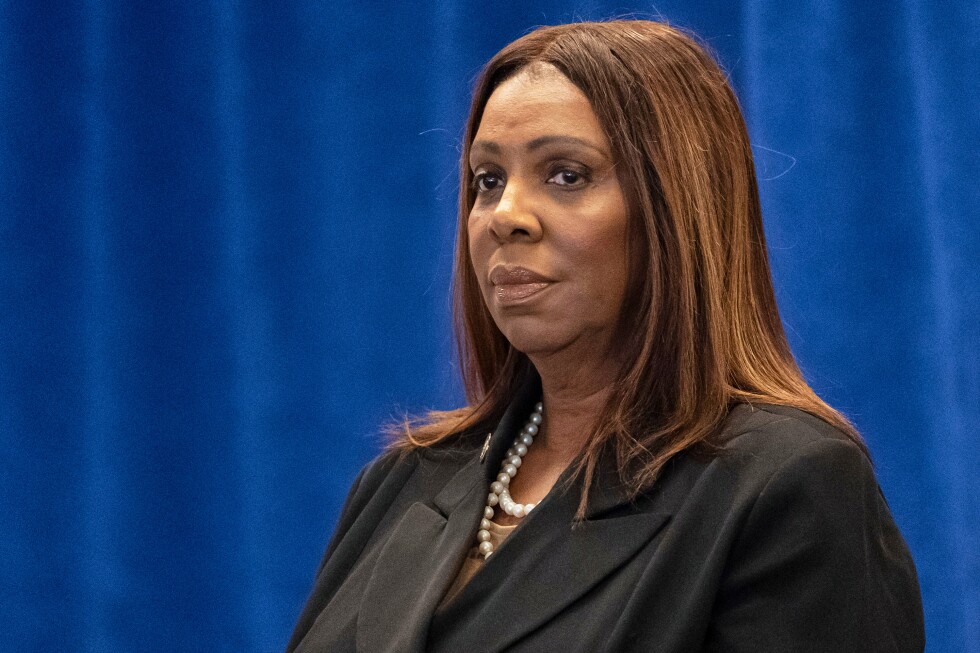
New York Attorney General Letitia James warned, “If this merger moves forward, cable prices will spike for consumers in New York and across the country.” The state attorneys general contend the deal violates federal antitrust laws designed to prevent monopolistic practices.
DirecTV’s lawsuit similarly predicts that the merged company would leverage its expanded market power to increase carriage fees charged to distributors, ultimately forcing them to raise subscription prices for consumers.
Both lawsuits expressed significant concerns about the future of local news, pointing to Nexstar’s history of consolidating newsrooms in markets where it owns multiple stations. According to the states’ lawsuit, there are 31 markets nationwide where Nexstar and Tegna each own at least one station, creating substantial overlap and potential for reduced competition.
Chairman Carr defended the FCC’s decision, arguing that “if you care about local news, you should care about the future of local broadcast stations.” He suggested the merger would ensure broadcasters have sufficient resources to maintain investment in local operations. Sook echoed this sentiment, claiming Nexstar would emerge as a stronger company “better positioned to deliver exceptional journalism and local programming.”
The merger had received a public endorsement from former President Donald Trump back in February, when he wrote on social media that “we need more competition against THE ENEMY, the Fake News National TV Networks.”
Anna Gomez, a Democratic FCC commissioner, strongly criticized the Republican-controlled agency’s approval process, claiming it occurred behind closed doors without a formal vote. “Local journalism is under extraordinary strain,” she said, arguing that the merger would “accelerate exactly that trend, concentrating broadcast power in fewer corporate hands, shrinking independent editorial voices and prioritizing national business interests over local needs.”
Nexstar demonstrated its market influence last fall when it ordered its ABC stations to pull Jimmy Kimmel’s late-night show following controversial comments about Republican activist Charlie Kirk. However, the company ultimately reversed course after ABC reinstated Kimmel following public backlash.
The attorneys general involved in the lawsuit indicated they welcome support from additional states, including those with Republican attorneys general, suggesting the opposition to the merger could potentially expand beyond partisan lines.
As the legal challenges proceed, the broadcasting industry faces a significant moment of consolidation that could reshape the landscape of local television news across the United States.
Fact Checker
Verify the accuracy of this article using The Disinformation Commission analysis and real-time sources.

7 Comments
With the rise of digital media, the traditional television landscape continues to evolve. This merger reflects those changes, but the long-term implications for consumers remain to be seen.
This merger will certainly reshape the local TV landscape. It will be interesting to see how the combined entity navigates the changing media environment and whether the divestitures are enough to address antitrust concerns.
Consolidation in the media industry is an ongoing trend. While the FCC has approved this deal, the lawsuits could still pose a challenge. It will be crucial to monitor the impact on local news coverage and diversity of voices.
Agreed. Local news is so important, and we should be vigilant about preserving competition and pluralism in the industry.
The sheer size of this combined entity raises questions about its market power and ability to influence public discourse. I hope the regulatory oversight and lawsuits can ensure this merger serves the public interest.
This move seems to prioritize corporate interests over the needs of local communities. I’m curious to learn more about the specific concessions Nexstar had to make to gain FCC approval.
That’s a fair point. The details around the divestitures and their potential impact on local news coverage will be important to follow.