


Listen to the article
Exiled Iranian Prince Courts Trump’s Favor, Outlines Vision for Post-Theocracy Iran
No nuclear weapons. A crackdown on drug trafficking. Immediate recognition of Israel. Increased oil and gas exports.
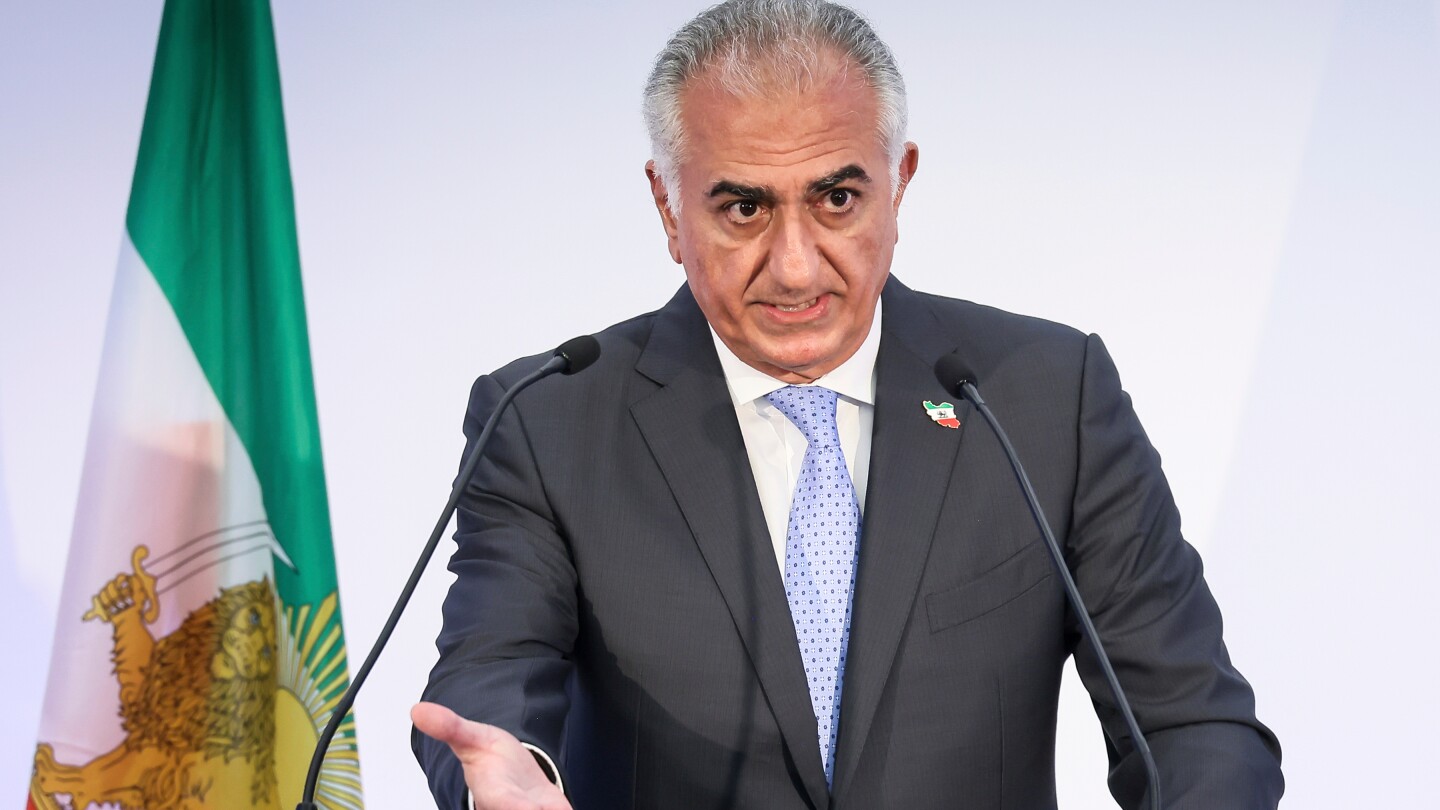
These are the cornerstones of exiled Crown Prince Reza Pahlavi’s vision for Iran should the Islamic Republic’s theocracy fall, as outlined in a video message posted Thursday. Experts say his plan appears tailored specifically to appeal to U.S. President Donald Trump’s administration at a time of intense political upheaval in Iran.
Pahlavi, son of the shah overthrown in the 1979 Islamic Revolution, is positioning himself as a potential leader if nationwide protests succeed in toppling the current regime. According to human rights activists, these demonstrations have faced a brutal government response that has killed 2,637 people since they began on December 28.
“The fall of the Islamic Republic and the establishment of a secular, democratic government in Iran will not only restore dignity to my people, it will benefit the region and the world,” Pahlavi stated in his English-language video message.
Political analysts see Pahlavi’s move as a strategic bid for U.S. backing rather than a genuine appeal to Iranians inside the country. “He’s really struggling to win Trump’s approval, to give the impression he has that strong support, but it doesn’t seem to be working,” said Trita Parsi, executive vice president of the Quincy Institute, a Washington think tank and author of several books on Iran.
The timing of Pahlavi’s message appears calculated, coming shortly after Trump expressed ambivalence about the prince’s leadership potential in an interview with Reuters. “He seems very nice, but I don’t know how he’d play within his own country,” Trump said Wednesday. “I don’t know whether or not his country would accept his leadership, and certainly if they would, that would be fine with me.”
Danny Citrinowicz, who once headed research on Iran in Israeli military intelligence and now serves as a senior researcher with the Institute for National Security Studies, believes Pahlavi’s plan deliberately aligns with Trump’s foreign policy priorities. “He’s trying to tick the boxes of everything that can correlate with Trump,” Citrinowicz said.
Pahlavi has also cultivated a relationship with Israeli Prime Minister Benjamin Netanyahu, visiting Israel in 2023 for meetings. Netanyahu’s hawkish stance on Iran and criticism of the 2015 nuclear deal influenced Trump’s decision to withdraw the U.S. from that agreement, further complicating regional dynamics.
The current protests in Iran, which began in late December, initially erupted over the collapse of the Iranian rial as international sanctions continue to squeeze the country’s economy. These demonstrations have since evolved into a broader movement against the regime.
Pahlavi’s support base within Iran remains unclear. While some protesters have reportedly displayed his image, experts question whether this signifies genuine monarchist sentiment or simply reflects the lack of visible opposition figures after nearly five decades of theocratic rule.
“People are yelling ‘Pahlavi’ in the streets of Iran, not because they actually want him, but because there’s no other name to yell,” Citrinowicz explained. “They don’t want to replace one dictatorship with another, and he’s not a unifying figure.”
The Pahlavi name carries significant historical baggage. Many Iranians retain bitter memories of his father’s reign, marked by the brutal suppression of political opposition through the feared SAVAK intelligence agency. Additionally, the prince’s nearly 50-year exile has created a perception that he and his family are disconnected from contemporary Iranian reality.
Iranian state media has predictably dismissed Pahlavi, blaming “monarchist terrorist elements” for recent unrest. State-affiliated media outlets broadcast interviews with citizens condemning the exiled prince, with one person saying, “He’s making a big mistake. Tell him to get lost.”
The ongoing protests represent the most significant challenge to the Islamic Republic in years. The reported death toll of 2,637 since December exceeds casualties from any similar period of unrest in recent Iranian history, according to the U.S.-based Human Rights Activists News Agency, which relies on a network of activists inside Iran to verify fatalities.
Communications restrictions inside Iran have made independent verification of casualty figures difficult, and the Iranian government has not released official numbers.
As tensions continue to simmer, Pahlavi’s bid for leadership underscores the complex interplay of domestic Iranian politics, international relations, and the personal ambitions of those seeking to shape Iran’s uncertain future.
Fact Checker
Verify the accuracy of this article using The Disinformation Commission analysis and real-time sources.

14 Comments
While the prince’s plan may align with some of Trump’s priorities, the brutality of the government’s crackdown on protesters is deeply concerning. Any vision for Iran’s future must prioritize the wellbeing and self-determination of the Iranian people, not just the strategic interests of external powers.
Absolutely. The human rights violations are unacceptable, and the Iranian people’s needs and desires should be the driving force behind any plan for the country’s future, not just the agendas of foreign governments.
While the prince’s plan may align with some of Trump’s preferences, the brutality of the government’s crackdown on protests is deeply concerning. Restoring dignity and establishing a secular, democratic government would be positive, but it’s unclear if this specific plan is the right path forward for the Iranian people.
You make a fair point. The human rights abuses and violent suppression of protests are extremely troubling, regardless of the specifics of the prince’s proposal. The wellbeing and self-determination of the Iranian people should be the top priority.
The prince’s focus on issues like drug trafficking and recognition of Israel could be seen as attempting to appeal to Trump’s priorities rather than necessarily reflecting the interests of the Iranian people. It will be crucial to see if the protests can succeed in toppling the current regime and if the prince can gain meaningful domestic support.
Agreed. The strategic alignment with Trump’s agenda is notable, but the true test will be whether the prince’s vision resonates with Iranians and can gain traction beyond just courting US favor.
While the prince’s vision may align with some of Trump’s policy goals, the brutality of the government’s crackdown on protesters is extremely concerning. Any path forward must prioritize the wellbeing and self-determination of the Iranian people, not just courting US favor.
Absolutely. The human rights violations are unacceptable, and any plan for Iran’s future must be centered on the needs and desires of Iranian citizens, not just the strategic interests of outside powers.
Interesting to see the exiled prince’s vision for post-theocracy Iran. Appealing to the Trump administration’s priorities like no nukes and increased oil/gas exports seems like a strategic play for US backing. It’ll be important to see if the plan resonates with Iranians beyond just courting Trump’s favor.
You raise a good point. The plan appears tailored to align with Trump’s preferences, but it’s unclear if it would genuinely address the needs and desires of the Iranian people beyond just seeking US support.
The prince’s proposal to increase oil and gas exports is notable, but the broader geopolitical implications and the need for a plan that truly reflects the will of the Iranian people are critical factors to consider. It will be important to closely monitor the developments and ensure that any path forward prioritizes the interests of Iranians.
You make a fair point. The energy aspects are certainly relevant, but the overarching concerns around domestic support, human rights, and self-determination should be the primary considerations in evaluating any proposal for Iran’s future.
The prince’s emphasis on increased oil and gas exports is interesting given the potential energy implications. However, the broader geopolitical considerations and the need for a plan that truly reflects the will of the Iranian people are critical. It will be important to closely monitor developments.
Agreed. The energy aspects are noteworthy, but the overarching concerns around domestic support and human rights must take precedence in evaluating any proposal for Iran’s future.