


Listen to the article
European Union officials have extended an offer to fund repairs for a damaged oil pipeline in Ukraine, in an effort to break Hungary’s blockade on crucial aid for the war-torn country, officials announced Tuesday.
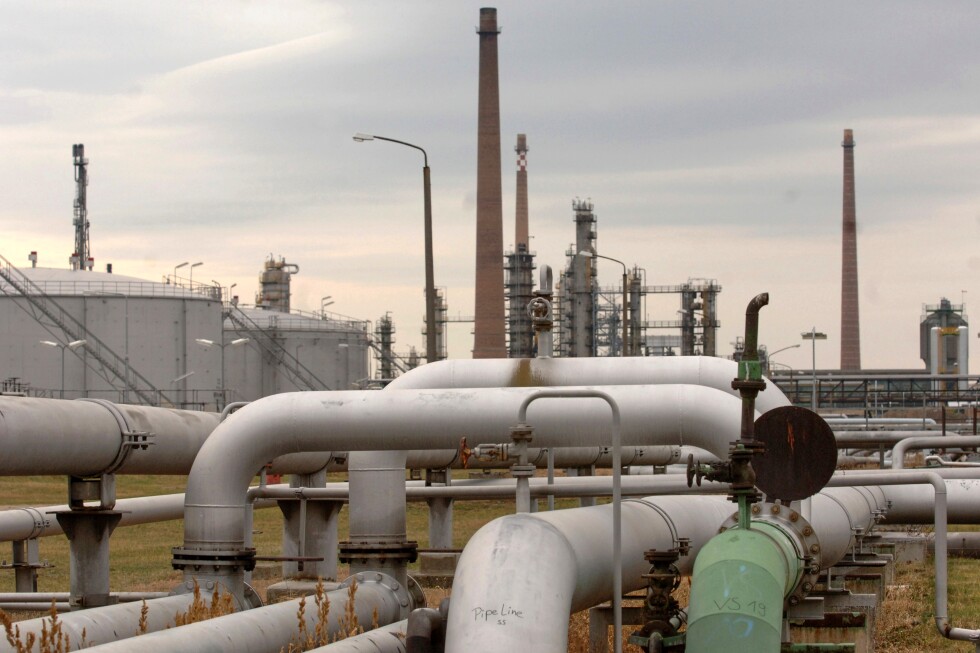
The dispute centers around the Druzhba pipeline, which carries Russian crude oil through Ukrainian territory to Hungary and Slovakia. The pipeline was damaged in January, halting oil deliveries to both countries. Ukrainian authorities attribute the damage to Russian drone strikes, though Hungary has disputed this claim.
In response to the oil disruption, Hungary’s Prime Minister Viktor Orbán has vetoed a substantial €90 billion ($106 billion) EU loan package intended to support Ukraine’s military and economic needs over the next two years. Hungary is also blocking a new round of European sanctions against Russia.
“The EU has offered Ukraine technical support and funding to fix the pipeline,” European Council President António Costa and European Commission President Ursula von der Leyen said in a joint statement. “The Ukrainians have welcomed and accepted this offer. European experts are available immediately.”
The standoff highlights the complex energy politics at play in the region. Ukrainian President Volodymyr Zelenskyy has generally opposed allowing Russian energy to transit through his country, as the revenue helps finance Moscow’s invasion, now in its fourth year. Despite this stance, Zelenskyy wrote Tuesday that Ukraine is “undertaking all possible efforts to repair the damage and restore operations.”
In their letter to Zelenskyy on Monday, Costa and von der Leyen expressed hope that the EU’s technical and financial assistance “can pave the way for overcoming the current blockage and ensure for the rapid repair of the pipeline.”
The dispute has frustrated EU leadership, who accuse Orbán of undermining the bloc’s fundamental principle of “sincere cooperation.” They point out that Hungary had initially agreed to the loan package at a summit in December before reversing course.
Energy analysts note that the Druzhba pipeline, whose name means “friendship” in Russian, has become a flashpoint in the broader geopolitical tensions between Russia and the West. Built during the Soviet era, the pipeline network has been a crucial conduit for Russian oil exports to Central Europe for decades.
For Hungary, which imports approximately 65% of its oil from Russia, the pipeline’s disruption represents a significant energy security concern. Slovakia faces similar challenges, though it has been less vocal in the diplomatic dispute.
Ukraine, meanwhile, is in desperate need of financial assistance as it continues to defend itself against Russian forces. Zelenskyy has emphasized the importance of receiving at least an initial tranche of EU funding next month to maintain essential government functions and military operations.
The timing of the dispute is particularly significant for Orbán, who is trailing in opinion polls ahead of elections next month. The Hungarian leader has incorporated anti-Zelenskyy rhetoric into his campaign messaging, portraying the Ukrainian president as a threat to Hungary’s security and claiming that Zelenskyy and von der Leyen are attempting to drag Hungary into the conflict.
“Orbán’s only guarantee to Hungarian voters is that he will keep the country out of the war,” said a political analyst familiar with Hungarian politics. “This stance resonates with his base, even as it creates friction with EU partners.”
The European Commission has increasingly found itself in the challenging position of mediating between member states with divergent interests regarding the Russia-Ukraine conflict. The offer to fund pipeline repairs represents a pragmatic attempt to address Hungary’s energy concerns while preserving the broader aid package for Ukraine.
If the pipeline repair proceeds, it could potentially resolve the immediate diplomatic crisis, though the deeper divisions within the EU regarding support for Ukraine are likely to persist as the war continues with no end in sight.
Fact Checker
Verify the accuracy of this article using The Disinformation Commission analysis and real-time sources.

6 Comments
It’s concerning to see Hungary blocking EU aid and sanctions against Russia over this pipeline issue. Repairing the damaged Druzhba pipeline could help restore energy supplies to Hungary and Slovakia, but the political dynamics are clearly quite complex. I wonder what the Ukrainian perspective is on this offer from the EU.
Yes, the Ukrainian stance will be important here. They’ll likely welcome the EU’s offer of support, but may be wary of Hungary’s motives in blocking the aid and sanctions. Resolving this dispute could have wider implications for Ukraine-Hungary relations.
It’s intriguing to see the EU taking such a proactive approach to resolving this pipeline dispute. Their offer of technical and financial support could help get the Druzhba pipeline operational again, but the political dynamics with Hungary remain a significant obstacle. I’m curious to see how this plays out and what it might mean for Ukraine’s energy security going forward.
From a commodity market perspective, maintaining the flow of Russian oil through the Druzhba pipeline is important, even if the oil itself is subject to sanctions. Disruptions to this key transport route could have ripple effects on global energy supplies and prices. The EU’s intervention suggests they recognize the strategic significance of this infrastructure.
This is an intriguing dispute over the Druzhba pipeline. It’s interesting to see the EU step in to offer technical and financial support to help Ukraine fix the pipeline, despite the political tensions with Hungary. Maintaining critical energy infrastructure seems crucial during wartime.
This pipeline dispute highlights the geopolitical tensions surrounding critical energy infrastructure in Europe. The EU’s offer to fund the repairs is a pragmatic move, but it remains to be seen if Hungary will ultimately accept this or continue to block progress. The wider implications for Ukraine’s energy security and the EU’s sanctions regime against Russia make this a high-stakes issue.