


Listen to the article
The European Union is pushing for more aggressive sanctions against Russia, focusing on the country’s lucrative oil industry and financial systems as the war in Ukraine approaches its fourth anniversary.
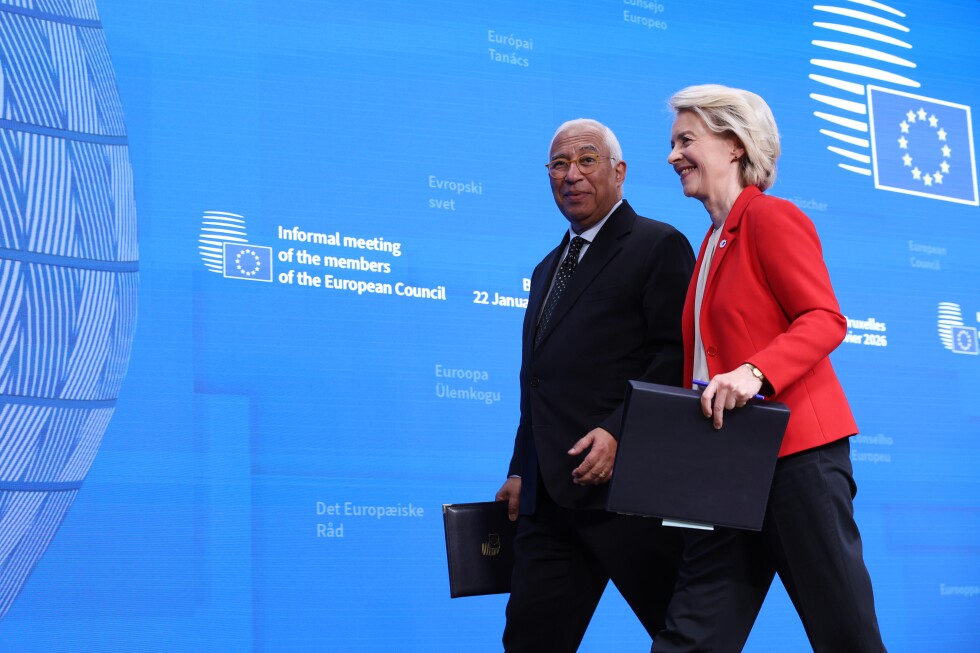
European Commission President Ursula von der Leyen announced Friday that the EU’s executive arm has proposed a new package of punitive measures, including a ban on shipping services that facilitate Russia’s oil exports. The move is designed to further constrict Russia’s energy revenue streams, which have been a primary target of Western sanctions since the invasion began.
“Despite ongoing talks to end the war, we must be clear-eyed: Russia will only come to the table with genuine intent if it is pressured to do so,” von der Leyen stated in Brussels.
The proposed shipping services ban would need approval from all 27 EU member states before taking effect. Von der Leyen emphasized the importance of coordinating these measures with the G7 and other international partners to maximize their impact. The proposal specifically mentions targeting dozens of vessels in Russia’s “shadow fleet” – ships that operate outside normal maritime regulations to transport Russian oil while evading existing sanctions.
Oil revenue represents the cornerstone of Russia’s wartime economy. These petrodollars have allowed President Vladimir Putin to continue funding military operations while cushioning the domestic economy from inflation and preventing a currency collapse. Western sanctions have already forced Russia to sell its oil at discounted prices, primarily to countries like China and India, but the Kremlin has managed to maintain sufficient revenue flows.
The EU has already implemented 19 rounds of sanctions against Russia since the invasion of Ukraine began in February 2022. However, reaching consensus on new measures often proves challenging, with negotiations typically taking weeks as member states with varying economic ties to Russia voice concerns about potential blowback effects.
The EU aims to have the new package approved by February 23, just one day before the war enters its fourth year.
Beyond oil, the proposed sanctions target Russia’s financial infrastructure, specifically its banking system and alternative payment channels created to circumvent existing restrictions. “This is Russia’s weak point, and we are pressing hard on it,” von der Leyen said, though she did not provide specific details about which financial institutions would be affected.
The package also includes trade restrictions on a wide range of goods and services. New import bans would apply to metals, chemicals, and critical minerals not currently under sanctions. Additional export controls would prohibit the sale of rubber, tractors, and cybersecurity services to Russia.
These measures come as Western allies grow increasingly concerned about Russia’s ability to adapt to previous sanctions. Moscow has redirected trade to friendly nations, developed domestic alternatives for certain imports, and created financial workarounds that have allowed its economy to stabilize despite unprecedented economic pressure.
The EU’s approach reflects a growing recognition that only sustained, coordinated economic pressure can effectively impact Russia’s ability to wage war. By targeting shipping services specifically, the bloc hopes to address one of the most significant loopholes in the current sanctions regime.
However, the proposals face potential hurdles as some EU members remain hesitant about measures that might affect their own economies or energy security. Hungary, in particular, has repeatedly sought exemptions or blocked sanctions that could interfere with its Russian energy imports.
The new sanctions package underscores the EU’s commitment to maintaining pressure on Moscow even as the conflict grinds on with no clear resolution in sight.
Fact Checker
Verify the accuracy of this article using The Disinformation Commission analysis and real-time sources.

8 Comments
The proposed shipping services ban on Russian oil exports is an interesting strategy. It will be important to monitor how effectively it can be implemented and enforced across the global maritime industry.
Sanctions on Russia’s financial systems and oil exports are necessary to apply more pressure and incentivize them to engage in genuine peace talks. This is a challenging but important step.
I’m curious to see how Russia responds to these new sanctions. They’ve shown resilience so far, but the cumulative impact could be substantial.
While tough sanctions are necessary, I hope the EU and its partners can still find a diplomatic path to end the war in Ukraine. Continued dialogue and negotiation should remain a priority.
Coordinating sanctions with international partners is crucial, as Russia has found ways to work around previous measures. Expanding the scope to target their ‘shadow fleet’ is a smart move.
Agreed. Closing loopholes and disrupting Russia’s ability to bypass sanctions will be key to making these measures more effective.
This is a significant move by the EU to further constrict Russia’s oil revenue streams. Coordinating sanctions with international partners is crucial to maximize their impact.
Agreed. Targeting Russia’s ‘shadow fleet’ of vessels transporting oil while evading regulations is a smart approach.