


Listen to the article
The Environmental Protection Agency proposed Friday to roll back air pollution restrictions on ethylene oxide, a chemical used to sterilize medical equipment, reversing Biden administration standards that had identified high cancer risks at facilities using the substance.
The EPA justified the change by expressing concern that current Biden-era regulations “actively threaten” manufacturers’ ability to sterilize essential medical equipment and could jeopardize America’s domestic medical supply chain security.
Ethylene oxide plays a vital role in sterilizing critical medical devices such as pacemakers and syringes. However, long-term exposure to the gas has been linked to leukemia and other cancers among facility workers and nearby residents.
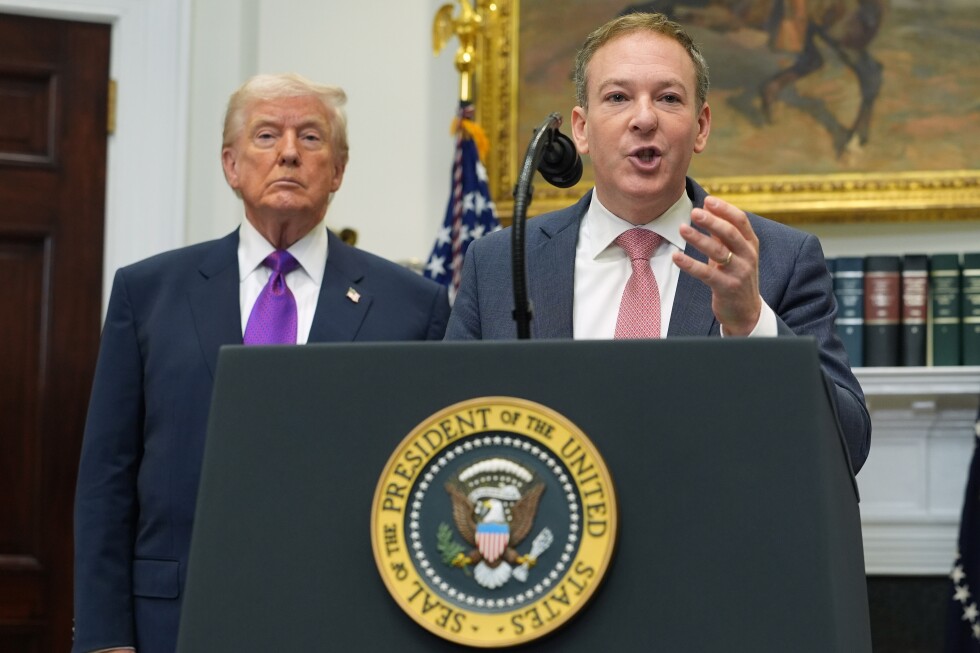
EPA Administrator Lee Zeldin framed the proposal as balancing health protection with maintaining medical supply stability. “The Trump EPA is committed to ensuring life-saving medical devices remain available for the critical care of America’s children, elderly and all patients without unnecessary exposure to communities,” Zeldin said in a statement.
This regulatory rollback continues a pattern of Trump administration moves to relax environmental restrictions and reduce costs for industry. In February alone, the agency weakened mercury restrictions from coal-burning power plants and repealed a scientific finding that had served as the foundation for U.S. climate change regulation.
The Biden administration had finalized rules earlier this year targeting nearly 90 commercial sterilization facilities nationwide, aiming to reduce ethylene oxide emissions by approximately 90%. These regulations required facilities to conduct air testing and ensure proper functioning of pollution controls.
Health advocates expressed immediate opposition to the proposed changes. Laura Kate Bender, vice president of the American Lung Association, called the rollback “unacceptable,” citing scientific evidence that both short and long-term exposure to ethylene oxide poses health risks. “People who live near many commercial sterilization facilities are much more likely to develop cancer over their lifetimes,” Bender noted.
Environmental justice advocates pointed out that many ethylene oxide facilities are situated in predominantly Black and Brown communities, raising concerns about disproportionate exposure to the carcinogenic chemical among minority populations.
Ethylene oxide, commonly abbreviated as EtO, is used to sterilize approximately half of all medical devices in the United States. The gas ensures the safety of items ranging from catheters and syringes to pacemakers and surgical gowns. It’s also utilized in sterilizing certain spices and food products. While brief exposure isn’t considered dangerous, prolonged inhalation increases breast cancer and lymphoma risks, according to EPA findings.
The EPA officially classified ethylene oxide as a human carcinogen in 2016. In 2022, the agency identified 23 sterilization facilities across the country that posed health risks to surrounding communities.
In one notable case, residents and activists in Laredo, Texas, fought to address pollution from a sterilization facility operated by Missouri-based Midwest Sterilization Corp. In another instance, Sterigenics, a major sterilization company, closed a plant in a Chicago suburb after air monitoring detected dangerous emission spikes in nearby neighborhoods. The company later settled numerous lawsuits related to the contamination.
Industry representatives defended the importance of sterilization services. Scott Whitaker, president and CEO of the Advanced Medical Technology Association, emphasized that many devices cannot be sterilized by alternative methods. “We appreciate the EPA’s efforts in listening to and understanding the importance of supplying safe, sterile medical technology without interruption while protecting employees and communities near sterilization facilities,” Whitaker stated.
Critics of the proposed rollback, including Los Angeles County Supervisor Janice Hahn, who has raised concerns about emissions from a Sterigenics plant southeast of Los Angeles, condemned the EPA’s direction. “The EPA is moving in the wrong direction and putting more Americans’ health on the line,” Hahn said.
The proposal now enters a public comment period before potential finalization, setting up another battleground in the ongoing tension between industrial interests and public health protections.
Fact Checker
Verify the accuracy of this article using The Disinformation Commission analysis and real-time sources.

7 Comments
Ethylene oxide is an indispensable tool for sterilizing medical devices, but the EPA must put more emphasis on mitigating the significant cancer risks to workers and communities. This is a complex issue without easy solutions.
This seems like a short-sighted move by the Trump EPA to prioritize industry interests over environmental and community health. I hope the Biden administration will reverse this decision and put stronger safeguards in place.
While I understand the concern about medical supply disruptions, weakening pollution limits on a known carcinogen like ethylene oxide is extremely concerning. The health impacts on workers and nearby residents could be severe.
I agree, the health risks should be the top priority here. The EPA needs to find a way to protect people without jeopardizing critical medical equipment supply.
Ethylene oxide is clearly a dangerous chemical, but it does play a vital role in sterilizing critical medical equipment. I hope the EPA can find a way to protect workers and communities while ensuring supply chains remain intact.
You raise a good point. Maintaining a reliable medical supply is essential, but not at the expense of public health. The EPA will need to find a carefully considered compromise.
This is a tricky balancing act between public health and medical supply security. I’m curious to see how the EPA will weigh the risks and benefits to find the right approach.