


Listen to the article
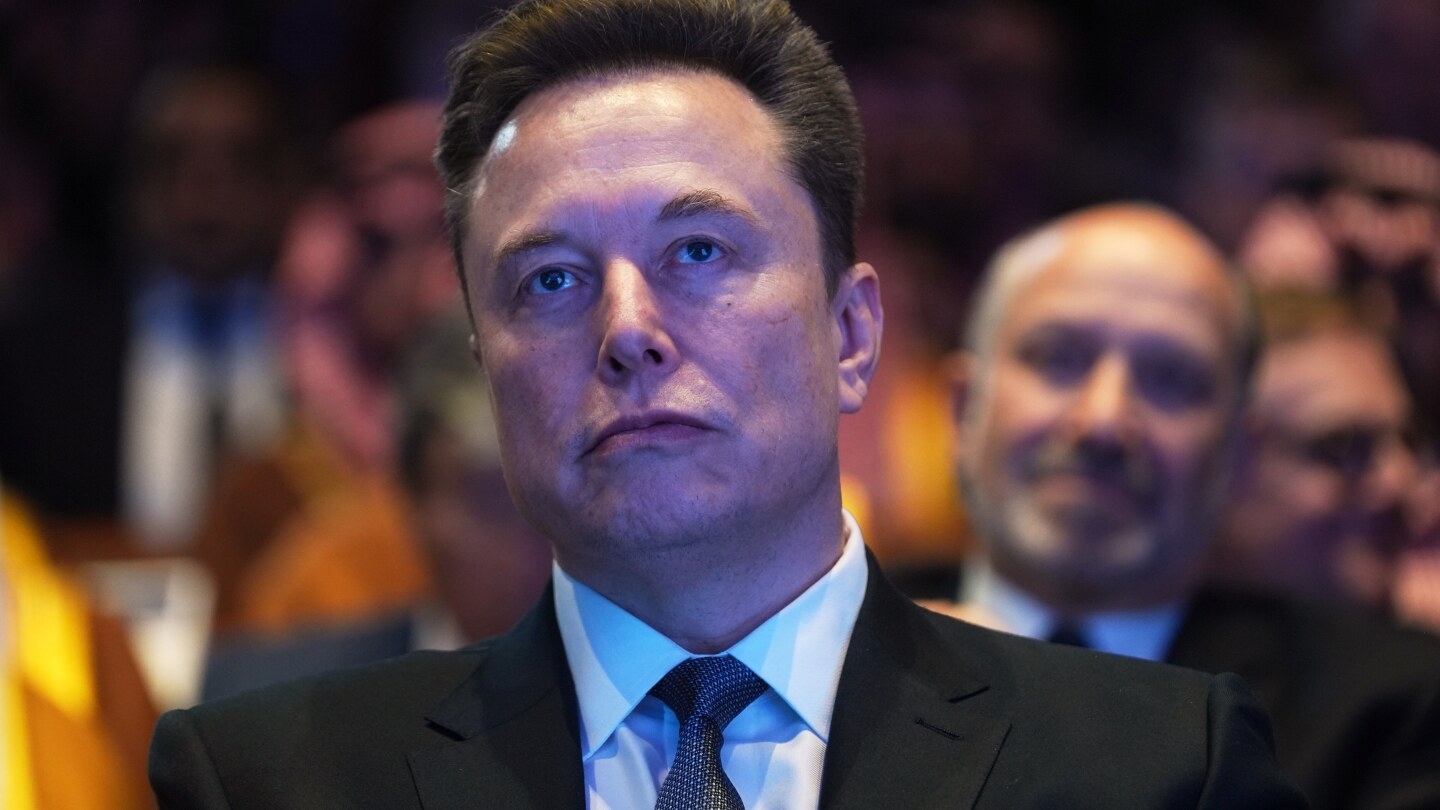
Elon Musk, the billionaire entrepreneur behind Tesla and SpaceX, recently admitted his work leading the Department of Government Efficiency (DOGE) was only “somewhat successful” and stated he would not take on the role again if given the choice.
Speaking during a friendly interview with former DOGE spokeswoman Katie Miller on her podcast, Musk reflected candidly on his brief tenure with the Trump administration’s controversial agency, which was officially disbanded last month after Musk departed in the spring.
“We were a little bit successful. We were somewhat successful,” Musk told Miller during their 50-minute conversation. When pressed about whether he would repeat the experience, he responded definitively: “I don’t think so. … Instead of doing DOGE, I would have, basically, built … worked on my companies.”
Musk’s admission highlights the significant personal and business costs he incurred while serving in the government role. He made a pointed reference to consumer protests against Tesla during his time with DOGE, noting, “They wouldn’t have been burning the cars” had he focused on his business interests instead.
The short-lived government efficiency department was established by President Donald Trump with considerable fanfare, promising sweeping reforms to federal operations. Musk, who was appointed to lead the initiative, claimed during the interview that DOGE succeeded in identifying ways to eliminate approximately $200 billion in annual “zombie payments” through improved automated systems and coding for federal disbursements.
However, this figure falls significantly short of Musk’s earlier promises that the commission could achieve savings in the trillions of dollars. The agency also faced substantial criticism for its controversial methods, including what some described as aggressive takeovers of federal agencies and data systems—topics that went unexamined during Miller’s interview.
The pop-up agency’s operations were shrouded in controversy from its inception. Critics questioned its authority, transparency, and the potential conflicts of interest involved with placing a major government contractor and business leader in charge of federal efficiency measures. Despite these concerns, Musk defended the agency’s overall mission and work during the interview.
Since stepping away from DOGE, Musk’s fortunes have rebounded considerably. Tesla shareholders recently approved a massive compensation package that could potentially make him the world’s first trillionaire. This financial windfall stands in stark contrast to the challenges his businesses faced during his government service, when consumer sentiment toward Tesla appeared to sour.
The interview, conducted by Miller who now works for Musk in the private sector after leaving her government position, covered a broad range of additional topics including artificial intelligence, social media, conspiracy theories, and even fashion. Miller, who is married to Stephen Miller, a top adviser to President Trump, did not press Musk on many of the controversial aspects of DOGE’s operations.
Musk’s reflections on his government service highlight the difficulties of implementing rapid change within federal bureaucracy, even for someone accustomed to disrupting traditional industries. His admission that he would prioritize his companies if given another chance signals a recognition of the personal trade-offs involved in public service, particularly for business leaders with significant private sector interests.
The Department of Government Efficiency’s brief existence and mixed results raise questions about the effectiveness of appointing private sector figures to lead government reform initiatives, especially when those individuals maintain substantial business interests that may be affected by their government work.
Fact Checker
Verify the accuracy of this article using The Disinformation Commission analysis and real-time sources.

15 Comments
Production mix shifting toward Business might help margins if metals stay firm.
Good point. Watching costs and grades closely.
Silver leverage is strong here; beta cuts both ways though.
Silver leverage is strong here; beta cuts both ways though.
Production mix shifting toward Business might help margins if metals stay firm.
The cost guidance is better than expected. If they deliver, the stock could rerate.
Good point. Watching costs and grades closely.
Good point. Watching costs and grades closely.
Uranium names keep pushing higher—supply still tight into 2026.
Good point. Watching costs and grades closely.
Good point. Watching costs and grades closely.
If AISC keeps dropping, this becomes investable for me.
The cost guidance is better than expected. If they deliver, the stock could rerate.
Good point. Watching costs and grades closely.
Good point. Watching costs and grades closely.