


Listen to the article
Egypt Moves to Regulate Children’s Social Media Use Amid Global Concerns
Egyptian lawmakers are developing new legislation to regulate children’s social media usage, joining a growing international movement to address concerns about digital platforms’ impact on young users. The Egyptian Parliament announced late Sunday that it aims to combat what it describes as “digital chaos” affecting the nation’s youth.
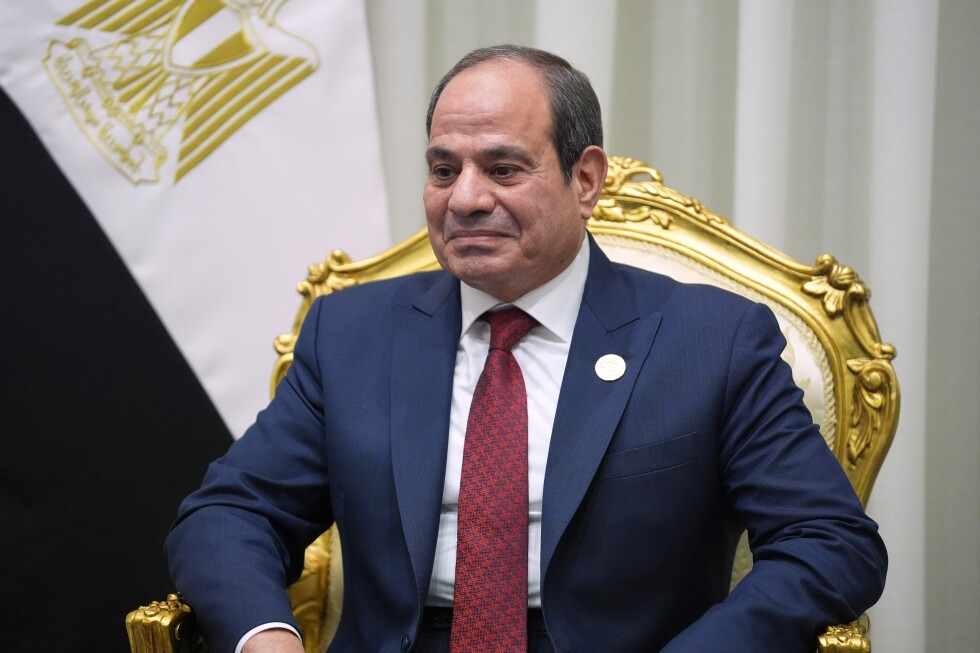
The House of Representatives stated it will work with government agencies and expert bodies to craft laws that “protect Egyptian children from any risks that threaten their thoughts and behavior.” This initiative follows direct encouragement from President Abdel-Fattah el-Sissi, who on Saturday called for restrictions on children’s social media access “until they reach an age when they can handle it properly.”
El-Sissi specifically referenced Australia and the United Kingdom as models, noting these countries are working on measures to “restrict or ban” children from social media platforms. His televised remarks highlighted growing concerns about youth exposure to potentially harmful online environments.
The issue is particularly relevant in Egypt, where approximately 50% of children under 18 regularly use social media platforms, according to a 2024 report from the government-affiliated National Center for Social and Criminological Research. The report highlighted concerns about exposure to harmful content, cyberbullying, and various forms of online abuse.
Egypt’s move mirrors a growing international trend. In December 2023, Australia became the first country to implement a nationwide ban on social media for children under 16, a groundbreaking decision that sparked intense debate about the balance between technology access, privacy, child safety, and mental health concerns.
The United Kingdom is considering similar measures, with the government exploring potential bans for young teenagers while strengthening existing legislation designed to shield children from harmful content and excessive screen time. British lawmakers have expressed particular concern about social media’s potential impact on developing minds and social skills.
In France, President Emmanuel Macron has urged his government to expedite legal procedures to implement a social media ban for children under 15 by September, coinciding with the start of the new school year. The French initiative emphasizes concerns about social media’s impact on academic performance and childhood development.
These international developments reflect mounting evidence and concern about social media’s effects on young users. Research has linked excessive platform use to issues including anxiety, depression, sleep disruption, and decreased in-person social interaction among children and teenagers.
Critics of such restrictions argue they may be difficult to enforce effectively and could potentially isolate young people from digital literacy development that may be essential for their future. Advocates counter that age restrictions could provide crucial protection during critical developmental years.
For Egypt, the proposed legislation represents a significant step in digital governance. The North African nation has previously implemented various internet regulations, but this would mark its first comprehensive approach specifically targeting children’s social media access.
The Egyptian Parliament has not yet provided a timeline for the draft legislation or specified what enforcement mechanisms might be employed. Questions remain about how such restrictions would be implemented in practice, particularly given the widespread use of VPNs and other tools that can circumvent regional restrictions.
As Egypt moves forward with these plans, it joins a growing coalition of nations grappling with how best to balance digital access with child protection in an increasingly connected world.
Fact Checker
Verify the accuracy of this article using The Disinformation Commission analysis and real-time sources.

7 Comments
While I understand Egypt’s motivation to address the risks of unfettered social media use by children, I hope their regulatory approach will be balanced and nuanced. Digital literacy and empowerment should be priorities alongside protective measures.
Interesting to see Egypt taking steps to address the potential risks of unchecked social media use by children. It’s a complex issue with valid concerns on both sides, so a balanced regulatory approach seems sensible.
Agreed. Protecting young people’s wellbeing is crucial, but measures should be carefully considered to avoid unintended consequences.
Egypt’s plan to restrict children’s social media access is a timely response to growing concerns about the platforms’ impact on young users. It will be interesting to see how they craft policies that safeguard wellbeing while preserving digital freedoms.
Regulating children’s social media use is a complex challenge, but Egypt’s efforts to address ‘digital chaos’ are understandable given the potential risks. I’m curious to see the specifics of their proposed legislation and how it will be implemented.
Egypt’s move to restrict children’s social media access aligns with growing global concerns about the platform’s influence on youth development. It will be important to see how they balance regulation with preserving digital rights and opportunities.
Absolutely. Finding the right balance between protection and empowerment will be key as Egypt and other nations navigate this issue.