


Listen to the article
Luxury SUV Showdown: BMW X5 and Mercedes-Benz GLE Plug-in Hybrids Offer Premium Efficiency
The BMW X5 and Mercedes-Benz GLE continue to set the standard in the midsize luxury SUV market, offering discerning buyers a compelling blend of sophistication, space, and cutting-edge technology. While neither vehicle targets budget-conscious shoppers, both deliver exceptional value through their premium features and build quality. What makes these particular models especially noteworthy is their availability with plug-in hybrid powertrains, a relatively rare option in the luxury SUV segment.
For consumers looking to reduce fuel consumption without sacrificing luxury, the plug-in hybrid variants—the BMW X5 xDrive50e and Mercedes-Benz GLE 450e—present an attractive proposition. These models feature rechargeable hybrid batteries that enable all-electric driving for short distances before seamlessly transitioning to conventional gasoline power when needed. For drivers whose daily commutes fall under 40 miles and who have convenient access to charging at home, these vehicles can significantly reduce fuel costs while maintaining the premium experience expected from these German automakers.
Edmunds’ automotive experts recently conducted comprehensive testing of both models to determine which offers the better overall package for luxury plug-in hybrid SUV buyers.
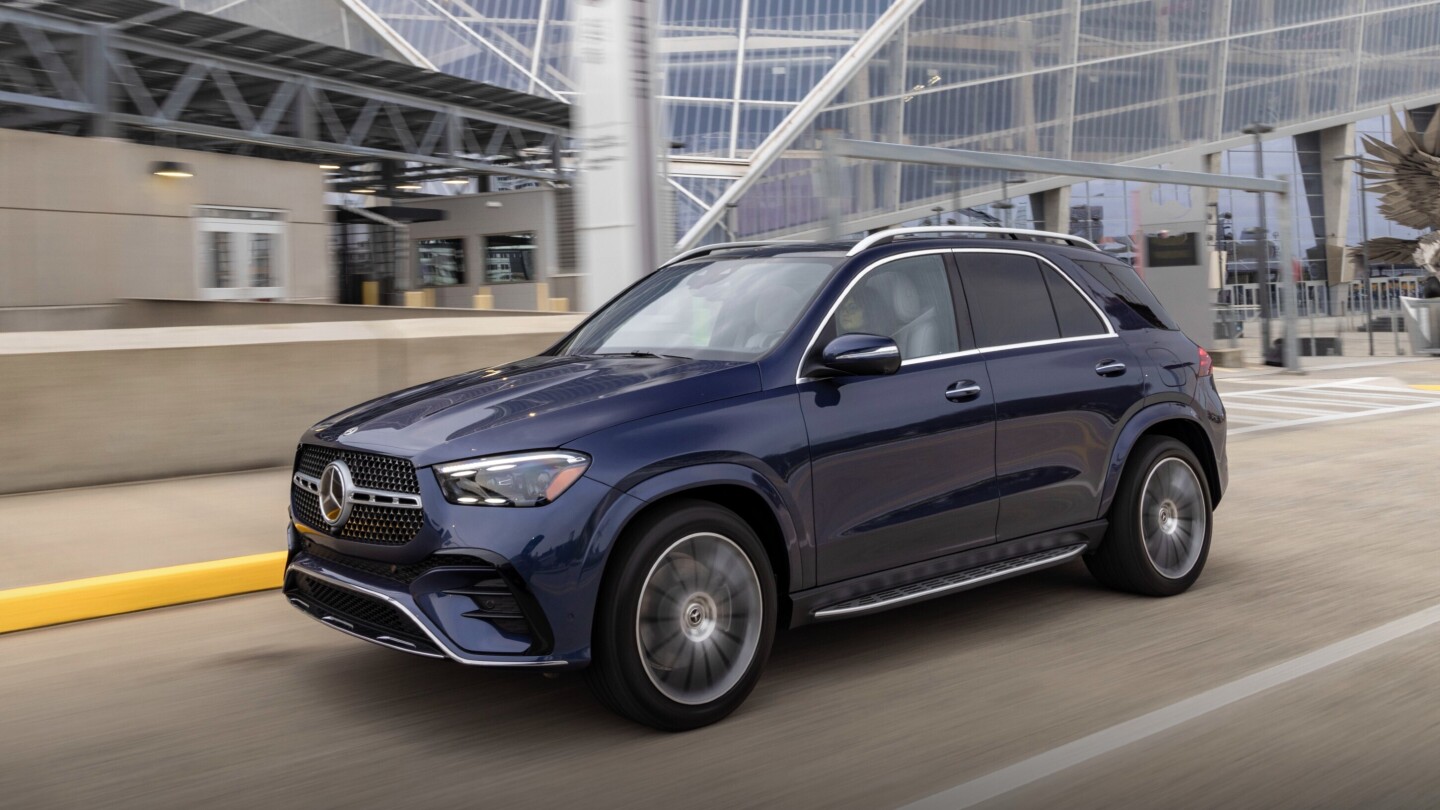
In terms of interior comfort, the GLE 450e establishes itself as the category leader. The Mercedes features a spacious, elegantly designed cabin with generous room for passengers in both rows. Its sophisticated seat heating, ventilation, and massage functions, coupled with an exceptional climate control system, create a truly premium driving environment. Families will appreciate the ample rear seat space, which easily accommodates bulky child safety seats with conveniently accessible anchor points.
The X5 matches the GLE with a similarly spacious interior that effectively isolates occupants from outside noise. Premium materials, extensive seat adjustability options, and ambient lighting contribute to its upscale ambiance. However, the BMW’s interface presents some usability challenges, with many functions buried within the touchscreen’s complex menu structure. The X5 also loses points for its less accessible child seat anchor points, making the installation process more cumbersome than in the Mercedes.
When it comes to driving dynamics, the BMW X5 xDrive50e demonstrates its performance-oriented heritage. The plug-in hybrid system operates with remarkable refinement, but it’s the vehicle’s athletic character that truly distinguishes it from the Mercedes. The X5’s powertrain delivers exceptional acceleration, reaching 60 mph in just 4.6 seconds during Edmunds’ testing. Additionally, the BMW exhibits superior stability and confidence through corners and on winding roads.
The Mercedes-Benz GLE 450e, while not as sporty as the BMW, impresses with its seamless powertrain operation. When the battery has sufficient charge, the GLE prioritizes electric driving, engaging its gasoline engine only when maximum power is requested. This transition between power sources is virtually imperceptible. In performance testing, the GLE 450e reached 60 mph in a respectable 5.7 seconds. Its light steering facilitates easy maneuvering in tight spaces, though it feels somewhat less planted than other GLE variants at higher speeds.
Technology features represent another key battleground between these premium contenders. The BMW’s infotainment system benefits from crisp graphics and responsive performance, though its menu structure can prove challenging to navigate. The X5’s voice control system ranks among the industry’s best, allowing drivers to adjust common functions without diverting attention from the road.
The GLE 450e’s infotainment system similarly offers high-resolution displays and exceptional responsiveness, but Mercedes-Benz elevates the experience with innovative features that BMW doesn’t match. A standout example is the GLE’s available augmented reality navigation system, which overlays directional graphics onto live video from the forward-facing camera, making complex directions significantly easier to follow.
Pricing positions these vehicles relatively close together, with the BMW X5 xDrive50e starting at $77,450 including destination charges, while the Mercedes-Benz GLE 450e begins at $73,600. The BMW’s slightly higher price point is partially offset by additional standard features. Both manufacturers offer identical four-year/50,000-mile bumper-to-bumper warranties, with BMW including three years of complimentary maintenance as an added value proposition.
The Mercedes gains an advantage in efficiency metrics. The GLE 450e achieves an EPA-estimated 50 miles of all-electric range before transitioning to hybrid operation, which delivers 23 mpg in combined driving. The X5 xDrive50e offers a more modest 38 miles of electric range followed by 22 mpg combined.
In the final assessment, both vehicles represent outstanding options in the luxury plug-in hybrid SUV segment. The BMW X5 xDrive50e will appeal to drivers who prioritize dynamic performance and handling, while the Mercedes-Benz GLE 450e stands out for its superior comfort, build quality, and user-friendly technology. For most luxury SUV buyers, the GLE’s more refined overall package makes it the more compelling choice.
Fact Checker
Verify the accuracy of this article using The Disinformation Commission analysis and real-time sources.

16 Comments
The article highlights how these luxury plug-in SUVs can deliver the premium experience expected from BMW and Mercedes while also offering all-electric driving for short commutes. Curious to see how the real-world efficiency and driving dynamics compare.
With more consumers seeking greener options, these plug-in hybrids could bridge the gap between traditional luxury SUVs and fully electric models.
Edmunds’ evaluation of the BMW X5 and Mercedes GLE plug-in hybrids will provide valuable insights for luxury SUV buyers looking to balance performance, efficiency, and premium features. It will be interesting to see how these two German brands have approached the plug-in hybrid market.
As the luxury SUV segment continues to evolve, models like these plug-in hybrids offer an appealing compromise between traditional gasoline power and fully electric vehicles.
The article highlights an intriguing matchup between two of the top luxury SUV models on the market. Curious to see how the BMW X5 and Mercedes GLE plug-in hybrids compare in terms of real-world efficiency, driving dynamics, and overall premium experience.
With more consumers seeking greener alternatives, the results of this comparison test could help guide buyers in the luxury SUV segment.
As luxury automakers continue to expand their electrified lineups, models like the X5 and GLE plug-in hybrids represent an important step in bridging the gap between traditional gasoline-powered SUVs and fully electric vehicles.
It will be insightful to see how these two German brands have balanced performance, efficiency, and luxury in their latest plug-in hybrid offerings.
Interesting to see how the BMW X5 and Mercedes GLE plug-in hybrids stack up. Both brands are known for luxury and performance, so it will be insightful to compare their efficiency and premium features in the SUV segment.
For drivers who need the utility of an SUV but want to reduce fuel costs, the plug-in hybrid options could be a compelling choice.
The comparison of the BMW X5 and Mercedes GLE plug-in hybrids is timely, as more consumers seek eco-friendly options in the premium SUV market. It will be informative to see how these two German automakers have engineered their latest hybrid offerings.
With the growing popularity of electrified vehicles, this test could help identify the strengths and weaknesses of these luxury plug-in SUV models.
It will be interesting to see how Edmunds evaluates the relative merits of the BMW X5 and Mercedes GLE plug-in hybrids. Factors like all-electric range, charging times, and overall performance and refinement will be key differentiators.
For buyers in the market for a premium SUV with the flexibility of a plug-in hybrid, this comparison test could help inform their purchase decision.
Edmunds’ evaluation of the BMW X5 and Mercedes GLE plug-in hybrids will provide valuable insights for luxury SUV buyers looking to balance performance, efficiency, and premium features. It will be interesting to see how these two German brands have approached the plug-in hybrid market.
As the luxury SUV segment continues to evolve, models like these plug-in hybrids offer an appealing compromise between traditional gasoline power and fully electric vehicles.