


Listen to the article
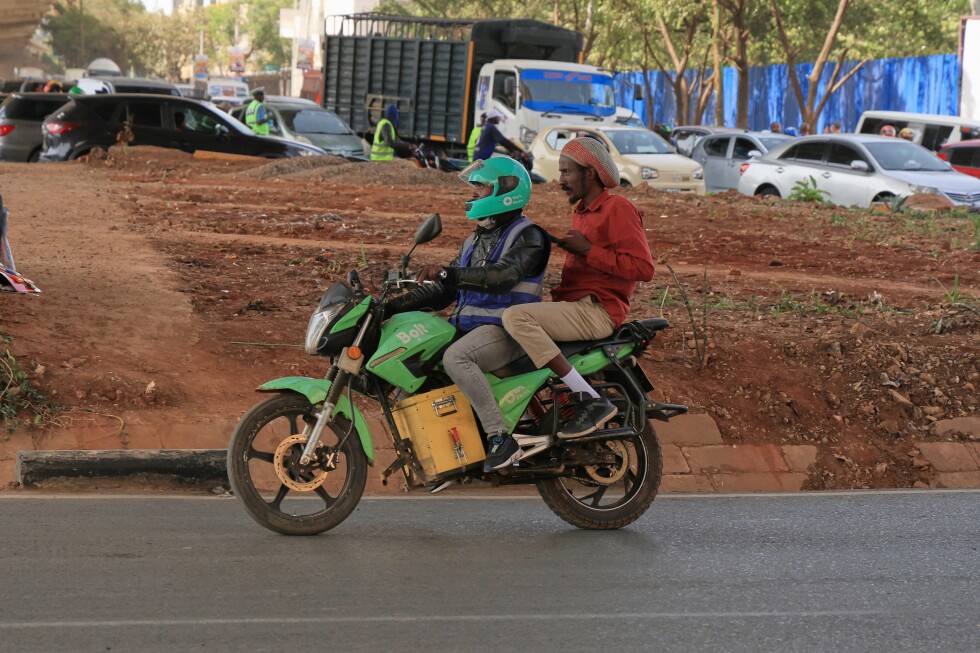
For weeks, Kenyan podcaster and radio personality Francis Kibe Njeri has been using his considerable social media following to highlight a growing frustration among electric motorcycle riders across Africa: the inability to swap batteries across different networks and the threat of remote disabling that can leave riders stranded.
“It is not fair that we purchase the bikes, but the battery remains the property of the manufacturer, and we can only use their stations and not charge them at home,” Njeri told the Associated Press in Nairobi.
His concerns reflect a larger tension in Africa’s rapidly expanding electric mobility sector, where proprietary technology is creating fragmented ecosystems that limit rider flexibility and economic opportunity.
Electric motorcycles have gained significant traction across the continent, led by companies like Spiro, Ampersand, ARC Ride, and Roam. Spiro, the continent’s largest e-bike operator, now manages more than 1,200 battery charging and swap stations and has deployed approximately 60,000 electric motorcycles, according to its most recent filing.
The appeal is clear: these vehicles typically reduce operating costs by up to 40% compared to traditional gas-powered motorcycles, with lower fuel costs and simpler maintenance requirements.
However, the promise of savings has been tempered by practical challenges. In November, hundreds of e-bike riders in Nairobi and Mombasa took to the streets, protesting the limited availability of battery-swap stations and demanding open access across competing networks.
Oscar Okite, a Nairobi-based rider, explained the economic impact: “I lose up to 500 Kenyan shillings ($4.50) every time I can’t find a swap point and sit waiting. We need battery networks that work everywhere, not just in the city.”
While urban centers like Nairobi have seen a proliferation of swap stations from various operators, coverage remains patchy outside major corridors and in outlying areas, severely limiting rider mobility and earning potential.
“It’s great when I’m near a proper swap site,” Njeri said. “But go two or three towns away and you’re likely to be stuck.”
The issue stems from how Africa’s e-mobility companies have structured their business models. Most have built vertically integrated systems where vehicles, batteries, and charging infrastructure are designed to work exclusively within their brand’s ecosystem.
According to the Africa E-mobility Alliance, East Africa leads the continent with over 89 active e-mobility companies, followed by Southern Africa with 46, West Africa with 39, and North Africa with 19. Central Africa trails significantly with just six companies. The majority are focused on e-bikes, though 16% offer three-wheelers.
East Africa has also attracted the lion’s share of investment, securing $207 million as of September, compared to West Africa’s $173 million and Southern Africa’s $100 million.
The battery-swap model has proven effective in parts of Asia and Europe, but industry observers say the fragmentation caused by proprietary technologies is hindering broader adoption despite generally supportive government policies.
“The lack of interoperability across charging and battery-swapping stations remains one of the biggest bottlenecks to scaling the sector,” said Eric Tsui, commercial manager at asset financing firm Watu Africa. “From a financing and consumer perspective, the worst-case scenario is having many swap stations that cannot serve all riders. We need interoperability so that batteries can be charged or swapped at any station, regardless of the operator.”
Companies acknowledge the challenges but cite significant barriers to integration. Building a swap network requires substantial investment in batteries, charging stations, land, security systems, software, and ongoing maintenance—all before generating returns.
Standardizing battery sizes, safety protocols, and payment systems across companies also demands complex technical and commercial negotiations.
Spiro CEO Kaushik Burman indicated openness to network sharing under strict conditions, pointing to battery safety standards established in Singapore and India. “We welcome manufacturers who will want to build e-bikes that can run on our battery system,” he said, but cautioned that “openly allowing any battery to enter any swap station without integration is a recipe for disaster which we cannot accept.”
Signs of progress are emerging. In January, Ampersand announced plans to extend its battery-swap network to other electric motorcycle makers, creating Africa’s first cross-compatible system.
“This open-platform approach means more manufacturers can enter the market without the need to build separate charging infrastructure,” explained Ampersand CEO Josh Whale. “In Africa’s e-mobility space, one company often controls the bike and the battery network, but that’s not how energy markets should work.”
Ampersand envisions itself as an electric “fuel station” where any e-bikes meeting quality and safety standards can access power. Already, motorcycles from companies like Wylex Mobility can use Ampersand’s network in Kenya and Rwanda, expanding access for riders.
For riders like Kevin Macharia in Nairobi, these changes can’t come soon enough. “It’s hurting my business when I can’t swap on time,” he said, noting that he sometimes declines rides and delivery requests when his charge is low, fearing he’ll venture too far from a compatible swap station. “We went electric to earn more, not stand by the roadside.”
Fact Checker
Verify the accuracy of this article using The Disinformation Commission analysis and real-time sources.

10 Comments
The rapid expansion of electric motorcycles in Africa is an exciting development, but the article rightly points out the challenges posed by proprietary battery systems. Enabling more flexible and open charging/swapping infrastructure will be key to driving wider EV adoption and accessibility across the continent.
Absolutely. Overcoming the barriers to battery interoperability could unlock significant economic opportunities for both riders and businesses in the electric mobility sector in Africa.
This article highlights an important challenge facing the rapid expansion of e-bikes in Africa – the need for more standardized and flexible battery networks. Proprietary systems create silos that limit rider convenience and choice. Addressing this issue should be a priority to support the growth of sustainable urban transportation.
The growth of electric motorcycles in Africa is an exciting development, but the article raises valid concerns about the limitations of proprietary battery systems. Enabling more flexible and open charging/swapping infrastructure will be important to drive wider EV adoption and accessibility.
Absolutely. Overcoming these barriers to battery interoperability could unlock significant economic opportunities for both riders and businesses in the electric mobility sector across the continent.
Interesting article on the growing demand for more flexible battery networks for e-bikes in Africa. It highlights the challenges of proprietary technology and fragmented ecosystems limiting rider flexibility and economic opportunities. Standardization and interoperability will be key to unlocking the full potential of electric mobility in the region.
Agreed. As the e-bike market continues to expand in Africa, finding ways to enable battery swapping and charging across different networks will be crucial. This could boost adoption and affordability for riders.
This article highlights an important issue facing the burgeoning e-bike market in Africa – the need for more flexible and interoperable battery networks. Proprietary systems that limit rider choice and convenience could hinder wider adoption. Addressing these challenges will be crucial to supporting the growth of sustainable urban transportation.
The concerns raised by the Kenyan podcaster are understandable. Riders should have the freedom to charge and swap batteries across different networks, rather than being tied to a single manufacturer’s infrastructure. Encouraging more open and interoperable systems will be key to the long-term success of electric mobility in Africa.
Agreed. Standardization and interoperability are critical to unlocking the full potential of e-bikes and empowering riders. This will be an important area for policymakers and industry to address as the electric mobility sector continues to grow across the continent.