


Listen to the article
Micro-Drones Capture First Images of Fukushima Reactor Core Breach in 15 Years
Advanced drone technology has revealed unprecedented views of catastrophic damage inside one of the Fukushima Daiichi nuclear plant’s failed reactors, offering crucial insights into the 2011 disaster’s aftermath.
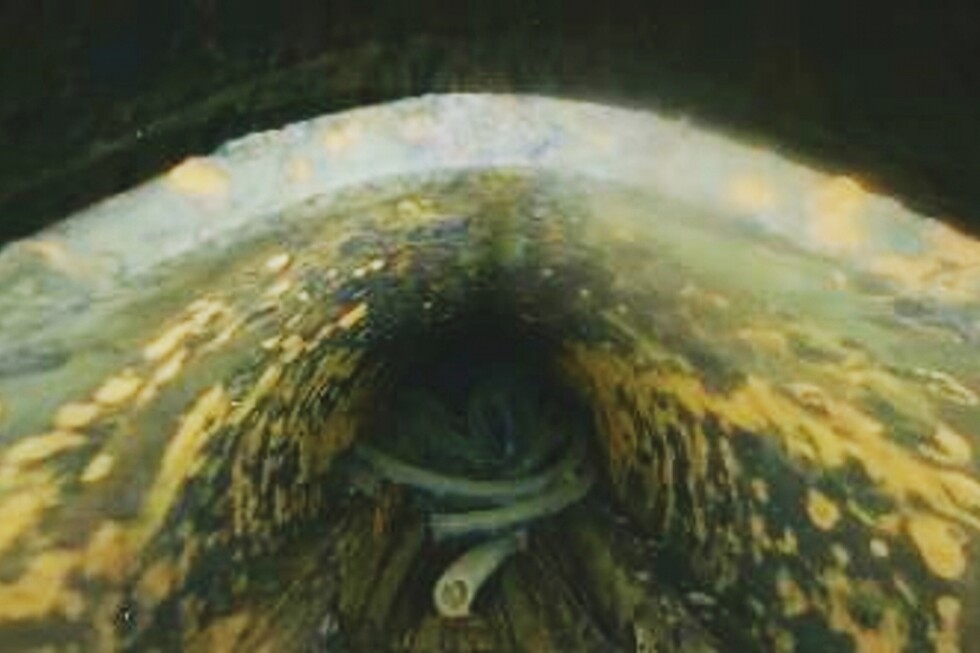
The footage, released Thursday by plant operator Tokyo Electric Power Company Holdings (TEPCO), shows a significant breach in the steel pressure vessel of Unit 3 reactor, with what experts believe to be solidified molten nuclear fuel hanging like icicles from the bottom of the container.
These remarkable images mark the first clear visual confirmation of the extent of damage to the reactor’s pressure vessel since the catastrophic triple meltdown following the March 11, 2011 earthquake and tsunami that devastated northeastern Japan.
The investigation utilized specially designed micro-drones measuring just 12 by 13 centimeters and weighing 95 grams—roughly the size and weight of a small smartphone. These miniature aircraft navigated the highly radioactive environment during a two-week mission that began March 5, carefully maneuvering around obstacles to capture crucial data.
“We have obtained valuable data that can be used for our future internal investigations and to develop melted fuel debris removal strategy,” said TEPCO spokesperson Masaki Kuwajima. Beyond visual documentation, the drones collected radiation measurements and generated detailed three-dimensional maps of the reactor’s interior.
The footage reveals ruptured tubes, damaged structural components, and brown and gray objects suspended from the bottom of the pressure vessel. These dangling formations are believed to be part of the estimated 880 tons of nuclear fuel that melted during the accident across the three affected reactors.
Nuclear decommissioning experts view this new visual evidence as significant for planning the monumental cleanup effort ahead. The Fukushima disaster ranks as the world’s worst nuclear accident since Chernobyl, with the eventual removal of melted fuel debris representing the most technically challenging aspect of the decommissioning process.
This recent investigation builds upon previous efforts to understand the condition inside the damaged reactors. In 2023, TEPCO successfully extracted small samples of melted fuel from Unit 2, though comprehensive interior assessments have remained elusive. Nearly a decade ago, an underwater robot provided limited glimpses inside Unit 3, but those images lacked the clarity and detail of the current drone footage.
The March 2011 disaster occurred when a magnitude 9.0 earthquake triggered a massive tsunami that overwhelmed the coastal nuclear facility, knocking out power and cooling systems. Without adequate cooling, the nuclear fuel in three reactors overheated, melted, and breached their containment vessels to varying degrees.
Radiation levels inside the damaged reactors remain dangerously high, necessitating the development of remotely operated technology for all investigation and eventual remediation work. The cleanup timeline stretches decades into the future, with complete decommissioning not expected until the 2040s or 2050s at the earliest.
TEPCO plans to continue deploying increasingly sophisticated remote-controlled probes to gather more data and samples. This information will guide the development of specialized robots capable of eventually removing the hazardous melted fuel debris—considered the most challenging phase of the entire decommissioning process.
The Fukushima disaster prompted Japan to temporarily shut down all its nuclear reactors for safety reviews and upgrades. The country has slowly been restarting select plants under stricter safety regulations as it balances energy security concerns with nuclear safety.
The new drone footage serves as both a technical achievement and a sobering reminder of the long-term consequences of the 2011 disaster, which forced the evacuation of more than 160,000 residents, many of whom still cannot return to their homes due to radiation concerns.
Fact Checker
Verify the accuracy of this article using The Disinformation Commission analysis and real-time sources.

14 Comments
While the Fukushima disaster was an unimaginable tragedy, it’s important that we learn as much as we can from it to improve nuclear safety standards and emergency response protocols globally. This footage provides invaluable data to help prevent such catastrophic accidents in the future.
Absolutely, the lessons learned from Fukushima must be applied to strengthen the safety and resilience of nuclear power plants worldwide. Transparent sharing of information and data is critical for advancing nuclear technology in a responsible manner.
This footage provides a sobering visual of the catastrophic damage inflicted on the Fukushima reactor by the 2011 earthquake and tsunami. The complex task of safely removing the fuel debris and decontaminating the site continues to pose immense challenges for TEPCO and the Japanese government.
While the Fukushima disaster was a devastating event, the development of these micro-drones to investigate the damaged reactors is an impressive technological achievement. The insights gained from this footage will be invaluable for guiding the ongoing decommissioning efforts.
Agreed, the ability to gather this level of detailed information from inside the reactor is a remarkable accomplishment. It will be fascinating to see how the data from these drone missions informs the cleanup and decommissioning process going forward.
The icicle-like formations of solidified nuclear fuel hanging from the pressure vessel are a sobering sight. This disaster continues to pose major challenges for TEPCO and the Japanese government in their efforts to decontaminate and decommission the site.
You’re right, the long-term cleanup and containment of the Fukushima accident is an immense undertaking. This footage underscores the extreme conditions the workers face and the need for continued monitoring and specialized robotic technologies.
While the Fukushima disaster was a tragic event, the technological advancements that have enabled this drone footage to be captured are an impressive feat. The data gathered will undoubtedly provide crucial insights to guide the complex decommissioning process and strengthen nuclear safety standards globally.
The damage revealed in this footage is a sobering reminder of the immense challenges involved in the Fukushima cleanup and decommissioning. It’s crucial that TEPCO and the Japanese government continue to collaborate with the international community to tackle this monumental task.
The use of micro-drones to capture this unprecedented footage from inside the Fukushima reactor is a remarkable technical achievement. The data gathered will be crucial for guiding the decommissioning efforts and informing the global nuclear industry on how to improve safety and emergency response protocols.
Absolutely, the ability to access and observe the reactor damage at this level of detail is a major milestone. Sharing these insights transparently with the international community will be vital for advancing nuclear safety and emergency preparedness worldwide.
Fascinating footage of the Fukushima reactor damage. This will provide critical insights into the 2011 disaster and help guide the ongoing decommissioning efforts. The use of micro-drones to navigate the high-radiation environment is an impressive technological achievement.
Agreed, this visual confirmation of the pressure vessel breach is a significant development. Understanding the full extent of the damage is crucial for the complex task of safely removing the fuel debris.
The development of these micro-drones capable of operating in such a highly radioactive environment is an impressive technical feat. The ability to capture this level of detail on the reactor damage is crucial for guiding the decommissioning process.