


Listen to the article
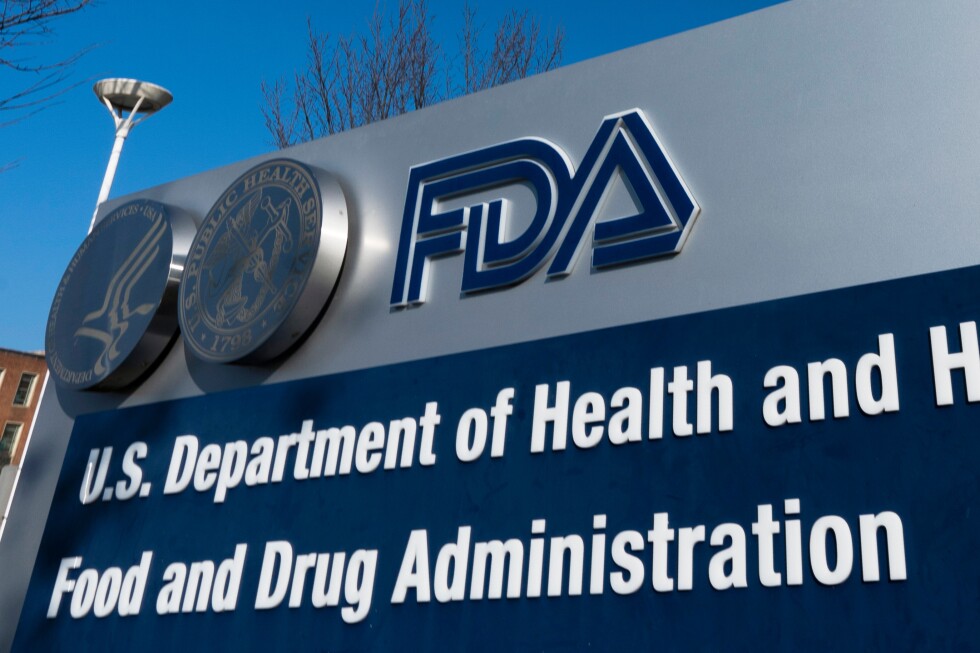
The Food and Drug Administration faced pressure Friday to broaden its criteria for dietary supplements, a move that could significantly expand the market for peptides, probiotics, and other wellness products popular among health advocates, including recently appointed Health Secretary Robert F. Kennedy Jr.
Industry representatives, consumer advocates, and academics gathered at a public meeting requested by the Natural Products Association, which has previously challenged the FDA over new supplement ingredients. The group’s January letter cited “cost and uncertainty” from unclear regulatory expectations.
Kyle Diamantas, the FDA’s top food official, opened the meeting by emphasizing the administration’s commitment to reducing regulatory burdens. “The industry has grown tremendously over the last 30 years yet the regulatory framework has largely stayed the same,” Diamantas told attendees.
Current FDA regulations categorize supplements as a type of food, requiring most ingredients to come from plants, herbs, or other substances found in the American diet. This has created challenges for manufacturers as wellness trends increasingly feature substances never traditionally used as food.
Peptides—chains of amino acids promoted by celebrities and influencers for muscle building and anti-aging benefits—exemplify this regulatory challenge. Despite limited scientific evidence supporting their use, peptides have gained popularity through specialty pharmacies and clinics as injections or IV infusions. Some supplement makers have begun incorporating them into capsules, gummies, and powders, technically violating FDA rules.
Similarly, certain probiotics marketed for digestive health and gut wellness fall into a regulatory gray area. Industry representatives argue that FDA law doesn’t explicitly require all supplement ingredients to come from food.
“The hope of the meeting is that FDA is willing to open up its interpretation of what constitutes a dietary ingredient to allow dietary substances that aren’t already in food,” said Robert Durkin, a former FDA supplements program official who now consults for companies.
Consumer advocates, however, warn that expanding allowable ingredients could overwhelm an already strained regulatory system. “FDA should focus on making the current market safer instead of allowing more chemicals and substances in supplements,” argued Jensen Jose, senior regulatory counsel for the nonprofit Center for Science in the Public Interest.
Kennedy has positioned himself as an ally to supplement makers, recently declaring himself “a big fan” of peptides during an appearance on Joe Rogan’s podcast, where he discussed using them personally to treat injuries. He has vowed to “end the war at FDA” on dietary supplements and loosen restrictions on injectable peptides.
Several Kennedy associates have significant ties to the industry. Gary Brecka, a self-described “longevity expert” and Kennedy supporter, sells peptide products through his website. Dr. Mark Hyman, a Kennedy friend, markets dozens of supplements, including some claiming to contain peptides.
The influence extends into Kennedy’s administration, with senior HHS adviser Calley Means having co-founded an online platform that facilitates tax-free health spending on supplements. His sister, Dr. Casey Means—Trump’s surgeon general nominee—has earned hundreds of thousands of dollars promoting supplements and probiotics, according to financial disclosures.
Unlike pharmaceuticals, dietary supplements have never undergone strict FDA oversight. The agency doesn’t review supplements before they enter the market, nor does it maintain a comprehensive list of all available products. With an estimated 100,000 or more supplements available to consumers, manufacturers bear the legal responsibility for ensuring product safety and truthful advertising.
The 1994 law establishing FDA oversight exempted supplement makers from nutrition labeling requirements that mandate scientific support for health claims. Instead, companies can make general wellness claims or statements about a product’s effect on body structure or function, as long as they include a disclaimer noting the FDA has not evaluated these claims.
This regulatory framework has long concerned some former officials. “It sanctioned unauthorized, implied health claims,” said Mitch Zeller, who handled supplement issues at the FDA during the 1990s. “There are all manner of claims being made on supplement labeling or in advertising that are carefully worded to avoid making a drug or treatment claim.”
As the FDA considers potential changes to its supplement criteria, the outcome could significantly reshape an industry already valued in the billions while raising new questions about consumer safety and product regulation.
Fact Checker
Verify the accuracy of this article using The Disinformation Commission analysis and real-time sources.

14 Comments
The supplement industry is pushing hard to broaden FDA criteria for new ingredients like peptides and probiotics. This could significantly expand their market, but the agency will need to ensure safety isn’t compromised.
Curious to see if the FDA grants more flexibility or maintains a tighter regulatory approach. Consumer health has to be the top priority, even as the industry seeks to capitalize on emerging wellness trends.
As the supplement industry grows, they want the FDA to relax rules around new ingredients. But the agency has to weigh public health risks against industry interests. Striking the right balance will be challenging.
This highlights the ongoing debate between innovation and regulation in the supplements market. The FDA will need to be very thoughtful in how they respond to the industry’s requests.
Interesting to see the dietary supplement industry pushing the FDA to expand its criteria. Wellness trends are evolving, so the regulatory framework may need to adapt to accommodate new ingredients like peptides and probiotics.
It’s a tricky balance – ensuring safety while also allowing innovation in the supplement market. The FDA will need to carefully consider the industry’s requests.
The supplement industry is pushing hard to expand the types of ingredients they can use, like peptides and probiotics. While this could enable new wellness products, the FDA will have to carefully assess potential safety concerns.
It’s a complex issue without easy answers. The supplement market is growing rapidly, but consumer health has to be the top priority for the FDA as they evaluate the industry’s requests.
The supplement industry has been growing rapidly, but the regulations haven’t kept pace. This push for more flexibility on new ingredients could open up new opportunities, but the FDA will want to maintain appropriate safeguards.
Curious to see how the FDA responds. They’ll need to weigh the potential benefits of expanded supplement options against potential risks to consumer health.
This highlights the ongoing tension between industry growth and regulatory oversight when it comes to dietary supplements. The FDA will have to carefully evaluate the industry’s requests to ensure safety while also enabling innovation.
It’s a complex issue without easy answers. Supplement makers want more flexibility, but the FDA has to prioritize public health. Will be interesting to see how they find the right balance.
The supplement industry sees a big opportunity in expanding the range of ingredients they can use, like peptides and probiotics. But the FDA will need to balance industry interests with rigorous safety standards.
Interesting to see the industry groups mobilizing to push the FDA on this. It will be a closely watched process as the agency tries to chart a course that works for both consumers and businesses.