


Listen to the article
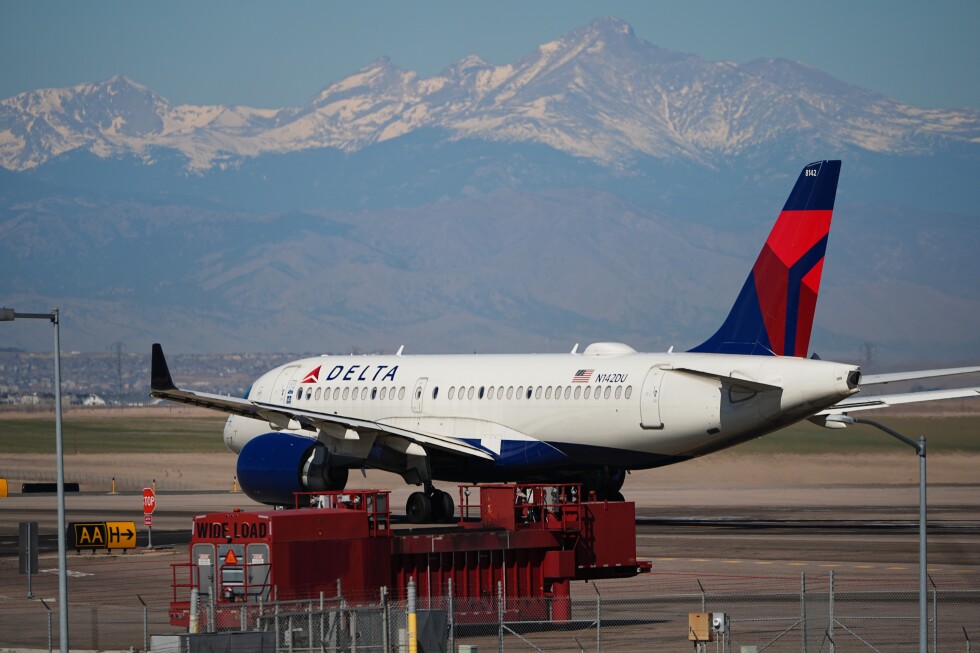
Delta Air Lines joined a growing list of U.S. carriers raising baggage fees on Tuesday, citing the impact of soaring jet fuel prices linked to ongoing conflict in the Middle East. The airline will implement a $10 increase for first and second checked bags on domestic and short-haul international routes starting Wednesday.
Under the new pricing structure, Delta passengers will pay $45 for their first checked bag, $55 for the second, and $200 for a third bag—representing a $50 increase for the third item. The carrier noted these adjustments reflect “the impact of evolving global conditions and industry dynamics” and mark Delta’s first domestic baggage fee increase in two years.
The fee hikes won’t apply to long-haul international flights. Delta also confirmed that complimentary baggage allowances will remain in place for premium cabin passengers, active-duty military personnel, eligible co-branded credit card holders, and members in higher loyalty program tiers.
Delta CEO Ed Bastian recently disclosed to investors that surging fuel costs have already added approximately $400 million to the airline’s operating expenses since the Middle East conflict escalated in late February. United Airlines and American Airlines executives have reported similar cost increases during recent earnings calls.
The financial pressure on airlines stems from dramatic spikes in jet fuel prices. According to energy market intelligence firm Argus Media, the average price for a gallon of jet fuel across major U.S. hubs—Chicago, Houston, Los Angeles and New York—reached $4.69 on Monday, representing an 87% increase from the $2.50 average recorded before the conflict began.
Delta’s announcement follows similar moves by competitors United Airlines and JetBlue, both of which implemented baggage fee increases last week. The trend signals a broader industry response to what has become a significant financial challenge for carriers worldwide.
The ongoing conflict near the Strait of Hormuz—a critical chokepoint through which approximately one-fifth of the world’s oil supply passes—has severely disrupted global energy markets. Since jet fuel is refined from crude oil, airlines are particularly vulnerable to these price fluctuations. Fuel typically represents airlines’ second-largest operational expense after labor costs.
Industry analysts note that U.S. carriers have limited options for offsetting these rising costs. While gradually increasing base ticket prices offers one solution, many airlines prefer adjusting ancillary fees—like baggage charges—which can be implemented quickly and target discretionary services rather than raising all fares uniformly.
This approach differs from strategies employed by many international carriers, which often rely on explicit fuel surcharges that can be adjusted more frequently as market conditions change.
For travelers, the wave of baggage fee increases represents the latest in a series of rising costs associated with air travel in 2024. Industry experts suggest passengers may increasingly turn to travel credit cards offering complimentary checked bags or adjust their packing strategies to avoid the higher fees.
The price increases also highlight the aviation industry’s ongoing vulnerability to geopolitical events and energy market volatility, despite significant investments in more fuel-efficient aircraft in recent years. With jet fuel prices remaining elevated and no immediate resolution to the Middle East conflict in sight, consumers may need to prepare for additional fee adjustments across the air travel landscape in the coming months.
Fact Checker
Verify the accuracy of this article using The Disinformation Commission analysis and real-time sources.

10 Comments
The $50 hike on third checked bags seems steep. While airlines need to offset fuel costs, these fees could incentivize more flyers to pack lighter and avoid checked luggage altogether.
It’s understandable that rising jet fuel prices are forcing Delta to increase baggage fees. Airlines have to pass on some of those costs to customers. Curious to see if other carriers follow suit in the coming weeks.
Agreed, jet fuel prices directly impact airline operations. Delta’s move to raise bag fees seems like a necessary step to offset higher fuel expenses.
I’m a bit skeptical that the Iran conflict is the sole driver behind Delta’s baggage fee increase. Fuel prices have been volatile for a while, so this may be more about boosting ancillary revenues.
Delta’s decision to raise checked bag fees is understandable given the pressures of higher jet fuel costs. But it will be a pain point for passengers, especially those used to free or lower-cost baggage allowances.
Interesting to see how the increased baggage fees will impact Delta’s operations and customer experience. Curious if they’ll see any backlash from flyers, or if this becomes industry standard in the near future.
It’s unfortunate that the Iran conflict is having such a direct impact on air travelers through higher fuel costs and baggage fees. Curious to see if the situation in the Middle East stabilizes and provides some relief on that front.
The $50 increase for a third checked bag is pretty steep. Curious to see how passengers react to these higher baggage fees, especially on domestic routes. Could drive more people to travel with just carry-on luggage.
Good point. Higher bag fees may incentivize more passengers to pack lighter and avoid checked bags altogether. Airlines are looking to boost ancillary revenue where they can.
With rising fuel prices and other economic headwinds, airlines are in a tough position. Delta’s baggage fee hike is likely a pragmatic move to offset growing costs, though it may not be popular with passengers.