


Listen to the article
Cuban Drivers Face Months-Long Wait for Fuel Amid Worsening Shortages
Drivers across Cuba are confronting an unprecedented fuel crisis that has left many facing waits of several months to refill their vehicles, as the island nation grapples with intensifying oil shortages blamed on U.S. economic pressure.
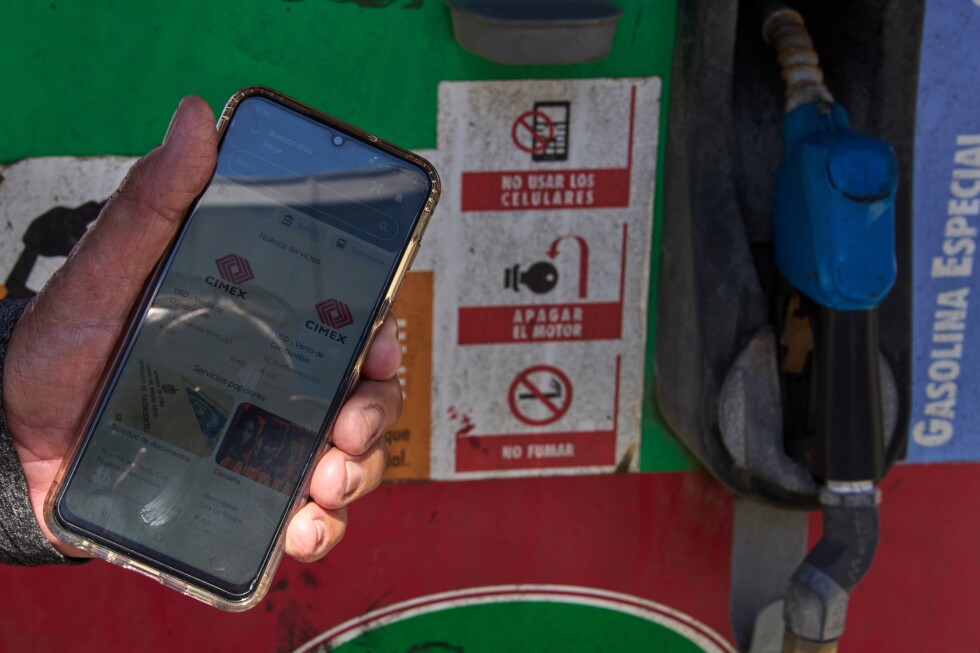
In an effort to manage growing chaos at gas stations, the Cuban government last week mandated the use of a digital application called “Ticket” for all refueling appointments. The rollout, however, has revealed the severity of the shortage, with Havana residents discovering they may need to wait weeks or even months before securing their turn at the pump.
“I have appointment number seven thousand and something,” said Jorge Reyes, a 65-year-old Havana resident who downloaded the app on Monday. Reyes registered at a local station that processes only 50 vehicles daily, leaving him uncertain when he might be able to refuel his car.
The digital queueing system has spawned information-sharing networks on WhatsApp, where drivers exchange tips about less crowded stations or locations with higher daily capacity—some reportedly handling up to 90 appointments per day. Yet even at these higher-volume stations, many users report finding thousands of appointments ahead of them in the digital line.
Compounding the crisis, Cuban authorities have eliminated subsidized gasoline sales in local currency. Fuel is now exclusively sold in U.S. dollars at $1.30 per liter at official stations—a prohibitive cost in a country where government workers earn less than $20 monthly when their Cuban peso salaries are converted to dollars at market rates. On the flourishing black market, prices can reach up to $6 per liter.
When drivers finally secure their turn at gas stations, they face strict rationing of just 20 liters (approximately 5.2 gallons) per visit.
“This will not last me long,” said Ariel Alonso, a businessman who refueled Monday at Havana’s El Riviera gas station. “I have to leave a reserve of five liters in case anyone gets sick at home,” he added, highlighting how the shortage is affecting critical needs like emergency medical transportation.
The Ticket app, developed by state-owned software firm XETID, has been operating for three years but has now become virtually the only legitimate avenue for refueling personal vehicles. According to XETID’s commercial director Saumel Tejada, more than 90,000 drivers had sought appointments through the platform within days of the new policy.
Vehicles serving the vital tourism industry operate under different rules, with special license plates allowing access to 44 designated service stations around the island. However, these vehicles face the same 20-liter purchase limit, and tourism-sector stations have developed their own long lines.
The fuel crisis represents just one facet of Cuba’s deteriorating energy situation. In late January, U.S. President Donald Trump threatened tariffs against any nation selling oil to Cuba, intensifying Washington’s pressure campaign to force economic and political reforms from Havana’s communist government.
Cuba’s President Miguel Díaz-Canel has expressed willingness to negotiate with the U.S. “as equals” while maintaining national sovereignty. He has characterized the situation as an “energy blockade” orchestrated by Washington.
The crisis deepened after Venezuela, historically one of Cuba’s primary oil suppliers, halted crude shipments in January following U.S. military action against then-president Nicolás Maduro. Mexico also suspended oil deliveries to Cuba after Trump’s tariff threats.
Energy conservation measures have spread throughout Cuban society. Banks have reduced operating hours, the government has stopped providing fuel to arriving aircraft, and major cultural events including the annual cigar trade fair have been postponed.
The fuel shortage has also disrupted international travel, with three Canadian airlines canceling flights to Cuba after the government announced it could no longer provide aviation fuel. Other carriers continue serving the island but now make refueling stops in the Dominican Republic.
Last week, United Nations human rights experts condemned the U.S. oil restrictions, stating they have “no basis on collective security and constitute a unilateral act that is incompatible with international law.”
Fact Checker
Verify the accuracy of this article using The Disinformation Commission analysis and real-time sources.

11 Comments
Interesting to see how the Cuban government is trying to manage this fuel shortage. The digital app system is an innovative approach, but it sounds like it’s just papering over the underlying problems. I wonder what role the U.S. economic pressure is playing in causing these shortages.
Yes, the U.S. sanctions are likely a major factor here. But the Cuban government also needs to look at ways to boost domestic production and secure alternative suppliers. An over-reliance on digital rationing won’t fix the fundamental supply issues.
The Cuban government’s approach here seems misguided. Instead of a digital queueing system, they should focus on boosting domestic fuel production and securing reliable imports. Forcing people to wait months to fill up is only going to create more public frustration.
You make a good point. Improving supply and distribution channels would be a more effective long-term solution than just rationing through an app. This crisis highlights Cuba’s economic vulnerabilities.
This fuel shortage in Cuba is really troubling. The government’s app-based rationing system is just a band-aid that doesn’t address the core supply issues. They need to look at boosting domestic production, securing reliable imports, and reducing economic pressures from U.S. sanctions. Relying on a digital queue is only going to create more frustration for citizens.
This sounds like a real headache for Cuban drivers. Forced to rely on a government app just to get gas – that’s a recipe for chaos and delays. I wonder how long these shortages will last and if the government has any long-term solutions in mind.
Agreed, the app system seems overly complicated and prone to backlogs. Hopefully the government can address the root causes of the fuel shortages soon to ease the burden on citizens.
The Cuban government’s attempt to manage fuel shortages through a digital app is an interesting approach, but it sounds like it’s just creating more hassle and uncertainty for drivers. They need to address the root causes of the supply issues, whether that’s boosting domestic production or securing more reliable imports. This crisis highlights Cuba’s economic vulnerabilities.
Agreed, the app-based system seems like an overly complicated solution that doesn’t fix the underlying problems. The Cuban government needs to take a more comprehensive approach to improving fuel supplies, rather than just rationing what’s available.
The Cuban government’s approach here seems ill-advised. Forcing drivers to rely on a digital app to get gas is just going to create more chaos and delays. They need to focus on increasing fuel supplies, whether through domestic production or securing imports, rather than just rationing what’s available. This crisis highlights the economic vulnerabilities Cuba faces.
This fuel crisis in Cuba seems like a real mess. The government’s app-based rationing system is just a band-aid solution. They need to focus on increasing supply through domestic production and imports, not just managing scarcity. Curious to see how this plays out in the coming months.