


Listen to the article
Cuban authorities have issued an urgent warning to airlines that the island lacks sufficient jet fuel, forcing a temporary suspension of refueling services at nine airports nationwide, including Havana’s José Martí International Airport. The measures, set to begin Tuesday and continue through March 11, represent the latest chapter in Cuba’s deepening energy crisis amid tightened U.S. sanctions.
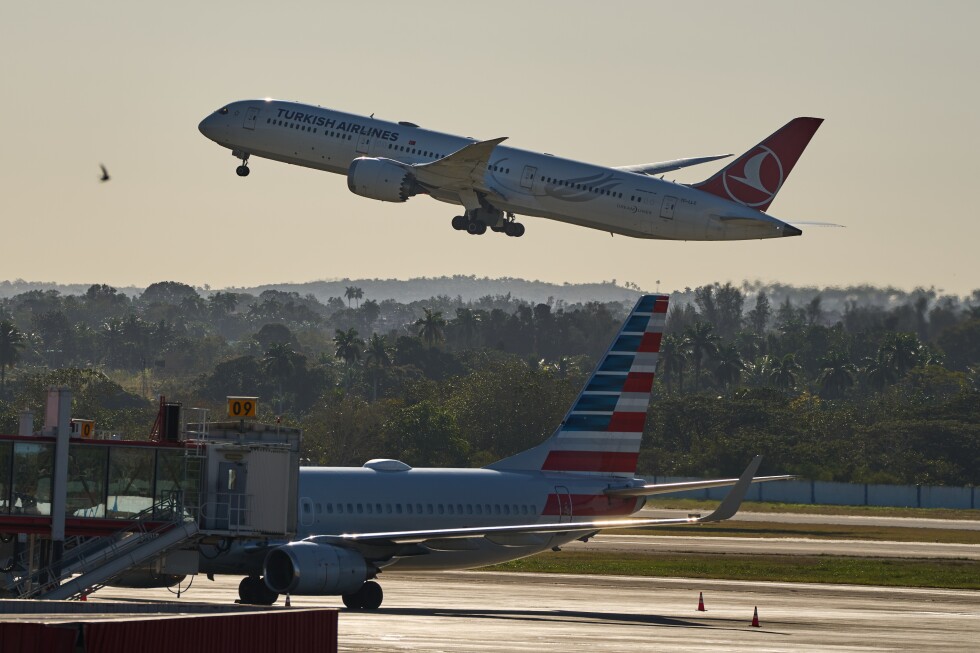
The announcement has already triggered significant disruptions in international air travel to the island. Air Canada promptly suspended its Cuba-bound flights, while other carriers have implemented strategic layovers in the Dominican Republic before continuing to Cuban destinations. Industry experts note that while shorter regional flights might manage with existing fuel loads, long-haul routes from major tourism markets like Russia and Canada face substantial challenges.
One veteran pilot described the situation as unprecedented in scale, though not entirely unfamiliar. During previous fuel shortages more than a decade ago, aircraft bound for Europe diverted to Nassau, Bahamas, for refueling. Current alternatives include bringing additional fuel or establishing refueling stops in nearby countries like Mexico or the Dominican Republic.
The fuel rationing comes at a particularly difficult moment for Cuba’s tourism sector, which has historically generated approximately $3 billion in annual revenue and serves as a critical economic lifeline for the island nation. Tourism, already struggling to recover from pandemic-related disruptions, now faces a new operational hurdle that threatens the arrival of international visitors during peak travel season.
The crisis extends far beyond the aviation sector. Cuban authorities have simultaneously announced reduced banking hours, suspended cultural events, and implemented severe restrictions on public transportation. In Havana, the capital’s bus system has virtually ceased operations, leaving residents stranded amid widespread power outages that can last up to 10 hours daily.
Major cultural fixtures including the Havana International Book Fair were canceled over the weekend, and officials have restructured the national baseball season for greater energy efficiency. Banking services have been curtailed, and fuel distribution companies announced they would no longer sell gasoline in Cuban pesos—limiting sales to 20 liters per person and requiring payment in U.S. dollars.
Cuban President Miguel Díaz-Canel addressed the nation last Thursday in a two-hour televised speech, acknowledging the severity of the situation and preparing citizens for additional austerity measures. The government’s silence following Sunday’s aviation notice has only heightened uncertainty about how long these restrictions might remain in place.
The root cause of Cuba’s energy predicament stems largely from intensified U.S. sanctions. In late January, President Donald Trump signed an executive order imposing tariffs on goods from countries that provide oil to Cuba, effectively severing the island’s access to its traditional petroleum sources in Venezuela and Mexico. The situation worsened following U.S. military intervention in Venezuela that removed former President Nicolás Maduro from power, further isolating Cuba from regional energy markets.
For ordinary Cubans, the current hardships evoke painful memories of the 1990s “Special Period”—the severe economic depression that followed the collapse of the Soviet Union and the subsequent loss of economic aid. Today’s crisis manifests in similar ways: chronic fuel shortages, transportation disruptions, and scarcity of essential goods including food and medicine.
As the situation evolves, airlines and travelers are scrambling to adapt to the new reality. Regional carriers may manage by carrying extra fuel for return journeys, but the long-term sustainability of international air service to Cuba remains in question should the fuel shortage persist beyond the announced timeframe.
Cuban officials have yet to indicate whether alternative supply arrangements are being pursued or if the restrictions might be extended beyond the current mid-March endpoint, leaving both the aviation industry and Cuba’s tourism-dependent economy facing an uncertain future.
Fact Checker
Verify the accuracy of this article using The Disinformation Commission analysis and real-time sources.

13 Comments
While the US blockade is certainly a major contributor to Cuba’s energy crisis, it’s also important to consider the country’s own challenges in developing sustainable energy sources. Diversifying the energy mix and improving infrastructure resilience should be a priority for the Cuban government.
That’s a good point. Cuba needs to look at long-term solutions to reduce its reliance on imported fossil fuels and build a more self-sufficient energy system. Renewable energy sources could be part of the answer, but it will require significant investment and planning.
The inability to refuel planes in Cuba will have far-reaching consequences for the country’s tourism industry, which is a vital source of revenue. This latest development underscores the urgent need for Cuba to address its energy challenges, both in the short and long term.
This is a concerning development for the Cuban aviation industry. The inability to refuel planes at domestic airports will likely have a significant impact on international flights and tourism. It highlights the challenges Cuba faces amidst the ongoing US blockade and energy crisis.
Agreed. Diversions to other countries for refueling will add complexity and cost for airlines serving Cuba. This situation underscores the need for Cuba to bolster its energy infrastructure and explore alternative fuel sources.
This development is a troubling sign of the deepening energy crisis in Cuba. The inability to refuel planes domestically will have far-reaching consequences for the country’s tourism industry and its overall economic well-being. It’s a complex issue that requires a comprehensive, long-term solution.
You’re absolutely right. Cuba needs to find ways to diversify its energy sources, improve efficiency, and reduce its reliance on imported fuels. This will be a challenging but necessary undertaking to ensure the resilience of its aviation and other critical sectors.
This development highlights the vulnerability of Cuba’s energy infrastructure to external factors like US sanctions. The inability to refuel planes domestically could force airlines to make costly diversions, which may ultimately discourage travel to the island. It’s a challenging predicament for Cuba to navigate.
The suspension of refueling services in Cuba is another blow to the country’s struggling economy, which relies heavily on tourism. This will disrupt travel plans and likely lead to higher costs for airlines and passengers. It’s a difficult situation with no easy solutions.
You’re right, the ripple effects of this disruption will be far-reaching. Cuba’s government will need to work quickly to address the fuel shortages and find ways to minimize the impact on its vital tourism industry.
The suspension of refueling services in Cuba is a significant setback for the country’s aviation industry and its broader economy. It’s a stark reminder of the vulnerabilities Cuba faces due to the US blockade and the need for the government to prioritize energy security and infrastructure development.
This situation highlights the complex geopolitical dynamics at play in Cuba. While the US blockade is a major factor, the Cuban government also bears responsibility for the country’s energy woes. A balanced, nuanced approach is needed to find sustainable solutions.
Agreed. Resolving Cuba’s energy crisis will require cooperation and compromise from all stakeholders, both within the country and internationally. It’s a challenging issue that deserves careful consideration and a multi-faceted approach.