


Listen to the article
Cuba Prepares to Receive Russian Oil as Energy Crisis Deepens
Cuba is preparing to receive its first shipment of Russian oil this year, offering potential relief amid severe power outages that continue to plague the island’s crumbling power grid.
The Russian-flagged vessel Anatoly Kolodkin is approximately 3,000 nautical miles from Cuba in the Atlantic Ocean and expected to reach the island in about 10 days, according to Jorge Piñón, an expert at the University of Texas Energy Institute. The tanker carries 730,000 barrels of fuel and is currently sanctioned by the United States, the European Union, and the United Kingdom following Russia’s invasion of Ukraine.
This would mark Cuba’s first oil shipment from any country in the past three months, as the island has struggled under what Cuban officials describe as a U.S. energy blockade. The anticipated delivery could produce roughly 180,000 barrels of diesel once refined—enough to meet Cuba’s daily demand for approximately nine to ten days.
A second vessel, the Hong Kong-flagged Sea Horse, is also reportedly en route to Cuba carrying about 200,000 barrels of diesel. Piñón believes this fuel will likely be prioritized for “critical sectors of the economy” such as transportation and agriculture.
Tracking these vessels has proven challenging, as ships often disable their satellite tracking devices amid international sanctions and potential threats of capture. The Sea Horse notably lingered for 20 days in the middle of the Atlantic before continuing its journey westward and is now approximately 958 nautical miles from Matanzas, Cuba.
U.S. Southern Command chief General Francis Donovan confirmed during Senate testimony on Thursday that American officers are monitoring a Russian destroyer supported by an oil “replenishment ship” scheduled to make a port call to Cuba. However, he indicated that even if the oiler unloads its cargo, it would likely have minimal impact on Cuba’s overall oil supplies.
The energy situation in Cuba has become increasingly dire. The country produces only about 40% of its petroleum needs, with the remainder traditionally sourced from Russia, Mexico and Venezuela. Critical shipments from Venezuela were halted earlier this year following U.S. actions against the South American nation and the arrest of then-President Nicolás Maduro, a key Cuban ally.
In late January, U.S. President Donald Trump reportedly threatened to impose tariffs on any country selling or supplying oil to Cuba, prompting Mexico to suspend its shipments to the island.
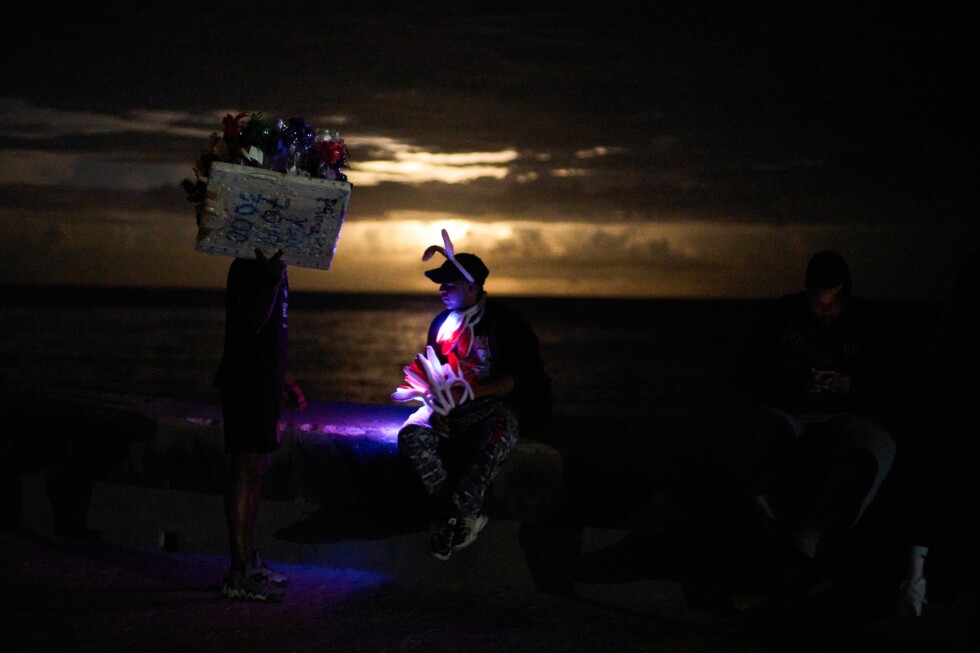
The intensifying energy shortage has forced Cuban officials to operate on a combination of natural gas, solar power, and what remains of their thermoelectric capacity. Daily blackouts now stretch to 10 hours in many areas, forcing reductions in working hours, limiting transportation, and causing a significant decline in tourism—previously one of Cuba’s main sources of foreign revenue.
Small protests have erupted across the island as conditions worsen. The energy crisis compounds Cuba’s broader economic challenges, which include tightened U.S. sanctions, lingering impacts from the COVID-19 pandemic, and internal financial reforms that triggered significant inflation.
Food and medicine shortages have become commonplace, fueling a surge in emigration, particularly among young people and skilled workers fleeing to the United States, Mexico, and Europe.
International solidarity efforts have emerged in response to the crisis. European activists recently delivered over four tons of medical supplies to Cuba, while Brazil announced plans to send 20,000 tons of food, including rice, beans, and powdered milk. A group of Chilean parliamentarians arrived Thursday with additional aid.
More assistance is expected to arrive via plane on Friday and through a large flotilla on Saturday, bringing solar panels, medical supplies, and nonperishable food collected by activists in Mexico. British Parliamentarian Jeremy Corbyn and Irish hip-hop trio Kneecap are among those expected to travel to Cuba with the aid convoy.
The flotilla organizers have conducted risk assessments for potential interference, given Trump’s stated position that he is “prepared to take Cuba by any means necessary.” Meanwhile, the Cuban government, while acknowledging ongoing talks with the United States, continues to assert its sovereignty in the face of mounting external pressures and internal challenges.
Fact Checker
Verify the accuracy of this article using The Disinformation Commission analysis and real-time sources.

6 Comments
Interesting development in Cuba’s energy situation. Relying on sanctioned Russian oil shipments seems risky, but their power grid is clearly under strain. I wonder if they’re looking at any renewable energy solutions to reduce their dependence on foreign oil.
You raise a good point. Cuba’s energy security seems quite precarious right now. Diversifying their supply sources and investing in renewable energy could help improve resiliency.
The energy crisis in Cuba is quite worrying. Receiving sanctioned Russian oil is a concerning stopgap measure. I hope they can find more sustainable solutions to power their grid and reduce blackouts.
I agree, this situation highlights Cuba’s vulnerability when it comes to energy. Relying on Russian oil is risky and not a long-term solution. They need to explore renewable options to strengthen their energy security.
Cuba’s dependence on foreign oil shipments is clearly problematic, especially when those sources are under sanctions. This underscores the need for the country to accelerate its transition to renewable energy to enhance resilience.
Absolutely. Cuba would be wise to prioritize domestic renewable energy projects to reduce its exposure to geopolitical supply chain disruptions. Diversifying their energy mix is crucial for long-term stability.