


Listen to the article
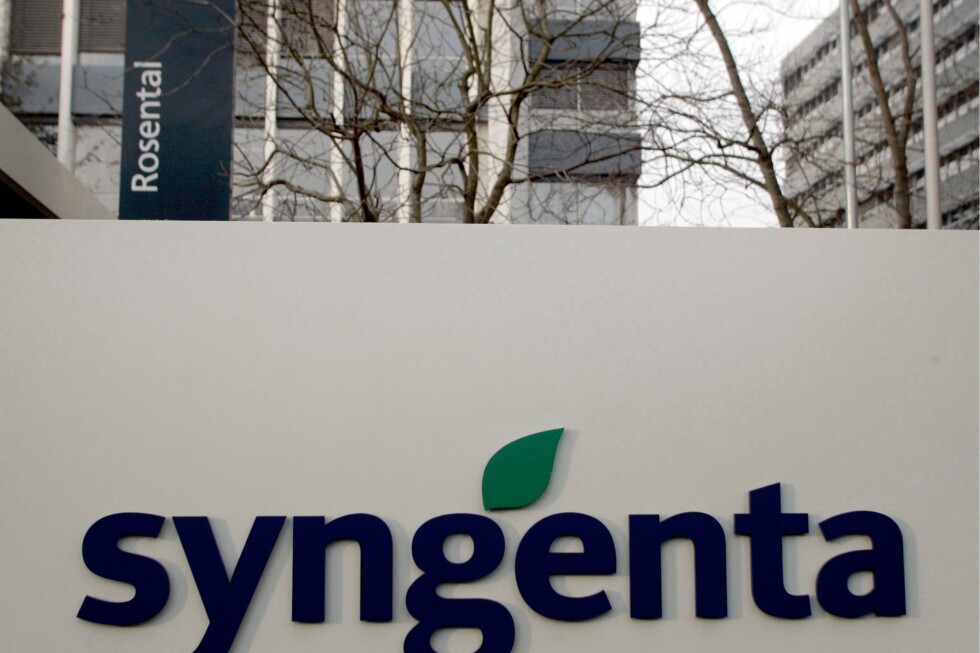
Multinational agriculture technology company Syngenta announced last Tuesday that it will cease global production of the herbicide paraquat by the end of June, including operations at its Iberville Parish facility in Louisiana.
Paraquat, which has been banned in more than 70 countries due to its extreme toxicity, is currently repackaged and distributed in the United States from Syngenta’s manufacturing site in St. Gabriel. The city sits along a heavily industrialized stretch of the Mississippi River often referred to as “Cancer Alley,” where residents face significantly higher cancer risks from industrial air pollution compared to most of the country.
Syngenta has not provided details about potential layoffs or operational changes at the St. Gabriel facility, which currently employs 350 full-time staff and approximately 450 contractors. The company cited “entirely commercial reasons” for the decision, pointing to high competition from generic producers worldwide.
The announcement comes as Syngenta faces thousands of lawsuits alleging failure to inform users about paraquat’s numerous health risks. Local residents and environmental activists have welcomed the decision, viewing it as a step toward protecting workers from the dangerous herbicide and potentially reducing chemical pollution in the community.
U.S. farmers commonly use paraquat for weed control, with much of the supply entering the country through New Orleans, according to a recent report by environmental and agricultural advocacy groups. Workers handling the chemical throughout the supply chain face significant health risks from potential exposure.
The extreme toxicity of paraquat is well-documented. A 2017 Environmental Protection Agency memo stated that “one sip can kill,” and even minimal contact can cause serious injury to eyes and skin. The U.S. Centers for Disease Control and Prevention notes that inhaling paraquat can cause lung damage, and exposure has been linked to Parkinson’s disease. A 2020 Louisiana State University study found increased risk of Parkinson’s in areas where pesticides, including paraquat, are used.
Environmental justice nonprofit Coming Clean acknowledged the significance of Syngenta’s decision but emphasized that more work remains to eliminate harmful chemicals in farming. “Paraquat has poisoned people and the environment since its genesis, and while one less company making it is worthy of celebration, the movement must press onward toward global food supply chains that are not reliant on toxic pesticides,” the organization stated.
Former chemical plant worker Alex Robertson, 57, called the move a “step in the right direction” but questioned Syngenta’s stated motivation. “The business decision is that they know they’re going to be in more legal trouble later down the road,” he said. “If they don’t stop making it, they’re going to face lawsuits.”
Robertson added that while he’s not anti-industry, he believes factories should reduce chemical emissions, be transparent about environmental releases, and provide more community benefits through jobs, scholarships, and infrastructure.
Marylee Orr, founder and executive director of the Louisiana Environmental Action Network (LEAN), suggested that lawsuits serve as powerful incentives for corporate accountability. LEAN has been working to install air quality monitors in St. Gabriel after data from neighboring communities showed high levels of volatile organic compounds and particulate matter.
“It’s a very highly toxic substance,” Orr said. “We’re not happy about people potentially losing jobs, but we’re happy about people’s health being protected.”
Environmental impact data shows Syngenta’s facility produced over 52,000 metric tons of greenhouse gases in 2023 and emitted 76 tons of toxic volatile organic compounds in 2024. These compounds can cause respiratory irritation, nervous system issues, and liver and kidney damage. St. Gabriel is also home to other industrial plants that emit hazardous chemicals, including the carcinogen ethylene oxide.
Local environmental activist Reginald Grace, 72, welcomed the news but expressed skepticism about further progress. “We have enough cancer cases here as it is, so this would be something less to worry about,” he said. Grace doubts that St. Gabriel’s leadership will pressure other factories to limit toxic chemical production or help install air quality monitors for residents.
Lifelong St. Gabriel resident Melvin Craige, 75, emphasized that he doesn’t want to appear anti-industry, acknowledging the social services factories have provided, including college scholarships and educational resources. However, he supports installing air quality monitors and wants better filtering of hazardous chemicals.
“I want them to do a better job of filtering hazardous chemicals that they know are hazardous,” Craige said. “I think it’s great news… I think they did what was best for themselves and also for the community.”
Fact Checker
Verify the accuracy of this article using The Disinformation Commission analysis and real-time sources.

11 Comments
Kudos to the activists and regulators who pushed for this ban. However, the fact that paraquat remained legal in the US for so long is concerning. We need much stronger chemical safety laws to protect public health.
I’m curious to know more about the potential impact on jobs and operations at the Louisiana facility. While the decision to stop making paraquat is good, the livelihoods of workers should also be considered.
Paraquat has been known for decades to be extremely hazardous, yet Syngenta continued to manufacture and distribute it. I’m glad they are finally ceasing production, though they should be held accountable for the harm caused.
Absolutely. The fact that paraquat remains legal in the US while banned elsewhere is unacceptable. Regulators need to take stronger action to protect public health and the environment.
Syngenta’s announcement is a positive step, but the company’s motivations are concerning. Were they truly driven by safety concerns, or just responding to financial pressures? Transparency around this decision would be appreciated.
Good point. Syngenta should provide full details on their reasoning and plans to ensure a responsible phase-out that prioritizes public health over profits.
This is a step in the right direction, but the damage done by paraquat can’t be undone. Syngenta needs to be held accountable and provide compensation to affected communities and workers.
Agreed. The company should invest in comprehensive environmental remediation and support programs to help those harmed by paraquat over the years.
This decision is long overdue. Paraquat is a deadly chemical that has no place in modern agriculture. I hope Syngenta will now focus on developing safer, more sustainable products.
This is a welcome move, though it’s concerning Syngenta cited ‘commercial reasons’ rather than health and safety concerns. Toxic pesticides like paraquat have no place in modern agriculture and I hope this sets a precedent for phasing out other dangerous chemicals.
Agreed, the health and environmental costs of paraquat far outweigh any commercial benefits. Hopefully this forces Syngenta to take a hard look at its product portfolio and prioritize sustainability over profits.