


Listen to the article
Colombia and Ecuador Escalate Trade Dispute with Retaliatory Tariffs
Colombia announced Thursday it will impose a 30% tax on select Ecuadorian products and suspend electricity sales to its neighbor, directly responding to similar tariffs implemented a day earlier by Ecuadorian President Daniel Noboa’s government.
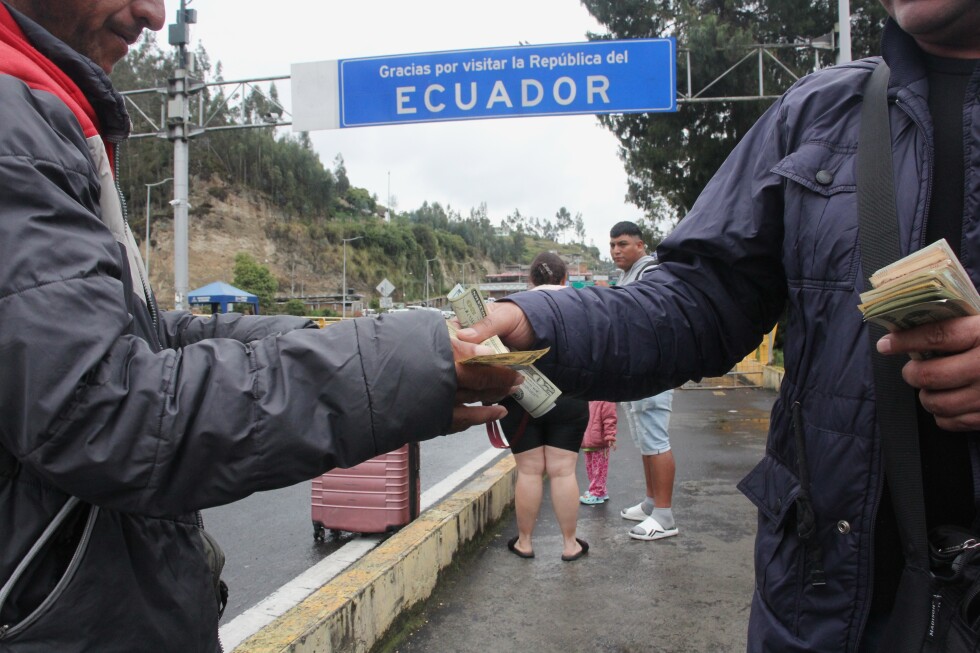
The rapidly escalating trade war between the South American nations stems from Ecuador’s frustration over a substantial trade imbalance. According to Ecuador’s ministry of production, the country exported $760 million in goods to Colombia between January and November 2024, while importing $1.8 billion. The Ecuadorian Federation of Exporters reported this deficit widened to $852 million during the same period in 2025.
President Noboa has publicly criticized not only the trade disparity but also what he describes as Colombia’s inadequate cooperation in securing their shared border region, which remains a hotspot for criminal organizations and drug trafficking operations.
Colombian officials expressed surprise at Ecuador’s unilateral action, emphasizing that bilateral cooperation mechanisms remain active, including joint military and anti-narcotics operations along the border.
Colombia’s retaliatory measures target 20 unspecified Ecuadorian products that represent approximately $250 million in trade, according to the ministry of commerce. Officials also warned of potentially extending these tariffs to additional products if the situation remains unresolved.
Commerce Minister Diana Marcela Morales characterized the tariffs as temporary and stressed that Colombia remains open to a diplomatic solution through negotiation. “These measures are not our preferred approach, but we must protect Colombian economic interests while encouraging our Ecuadorian counterparts to return to the negotiating table,” Morales said.
In a significant escalation, Colombia’s ministry of mines and energy also announced an indefinite suspension of all electricity exports to Ecuador. The ministry described this as a “preventive measure” necessary to protect Colombia’s energy sovereignty and security.
Energy Minister Edwin Palma condemned Ecuador’s initial tariffs as “economic aggression” that undermines regional integration efforts. Palma noted the ironic timing of the dispute, highlighting that Colombia provided approximately 90% of its exportable power—around 450 megawatts—to Ecuador during that country’s severe energy crisis in late 2024.
The business communities in both nations have expressed immediate concern about the economic repercussions. “Since yesterday, member companies have been contacting us in a state of high concern,” said Oliva Diazgranados, executive director of the Colombian-Ecuadorian Chamber of Commerce based in Bogotá. “This situation directly impacts corporate development and sales projections; it may even threaten jobs.”
Diazgranados pointed out that while businesses bear the economic burden of these tensions, the fundamental dispute centers on security cooperation rather than trade issues.
Economic analysts suggest this trade dispute could have broader regional implications, potentially disrupting supply chains and undermining the principles of the Andean Community trade bloc, which both countries belong to. The bloc was established to promote regional economic integration and has historically facilitated relatively free trade among member nations.
This conflict emerges against a backdrop of shifting political dynamics in South America, with governments increasingly willing to take protective measures for domestic industries despite longstanding regional integration efforts.
For Ecuador, already facing economic challenges including high unemployment and fiscal constraints, escalating trade tensions with a major trading partner could further complicate recovery efforts. Similarly, Colombian exporters—particularly in sectors like manufacturing and agriculture—may face significant market disruptions if the dispute continues.
Regional trade experts are calling for rapid diplomatic intervention, suggesting that the Andean Community or other multilateral organizations could potentially mediate before the economic damage deepens for both nations.
Fact Checker
Verify the accuracy of this article using The Disinformation Commission analysis and real-time sources.

10 Comments
This escalating trade dispute between Colombia and Ecuador is concerning. While each country has legitimate economic interests, I hope they can find a diplomatic solution that benefits both sides and the region as a whole.
Agreed. Unilateral actions like tariffs and suspending energy sales often lead to more confrontation. Both governments should return to the negotiating table and work toward a mutually acceptable compromise.
The large trade imbalance between Colombia and Ecuador is clearly a source of friction. However, addressing it through punitive measures may not be the best approach. I wonder if there are opportunities to expand complementary industries and boost two-way trade.
That’s a thoughtful perspective. Finding ways to grow the economic pie, rather than just fighting over a fixed amount, could lead to a more sustainable solution. Increased regional integration and cooperation would likely benefit both countries.
This trade dispute between Colombia and Ecuador is a complex issue without any easy solutions. However, I’m hopeful that with good-faith negotiations and a commitment to regional cooperation, the two countries can find a way forward that addresses their respective concerns.
That’s a constructive outlook. Maintaining open dialogue and a collaborative spirit will be essential, even when the specifics of an agreement prove challenging to hammer out. With patience and compromise, I believe they can reach a mutually acceptable resolution.
Imposing tariffs and cutting off energy supplies seem like risky escalation tactics that could backfire. I hope the leaders of Colombia and Ecuador recognize the importance of de-escalating the situation and finding a mutually beneficial compromise before the dispute causes further damage.
Agreed. Unilateral actions like these often invite retaliation, which can spiral out of control. A cooler, more pragmatic approach focused on shared interests would be better for both economies in the long run.
From the details provided, it seems the border security issues are also contributing to the tensions between Colombia and Ecuador. Strengthening joint efforts to address criminal activity and drug trafficking in the border region could help build trust and open the door for trade negotiations.
Good point. Coordinating on security matters may be a necessary first step before making progress on the trade imbalance. Maintaining open communication channels and a collaborative approach will be key.