


Listen to the article
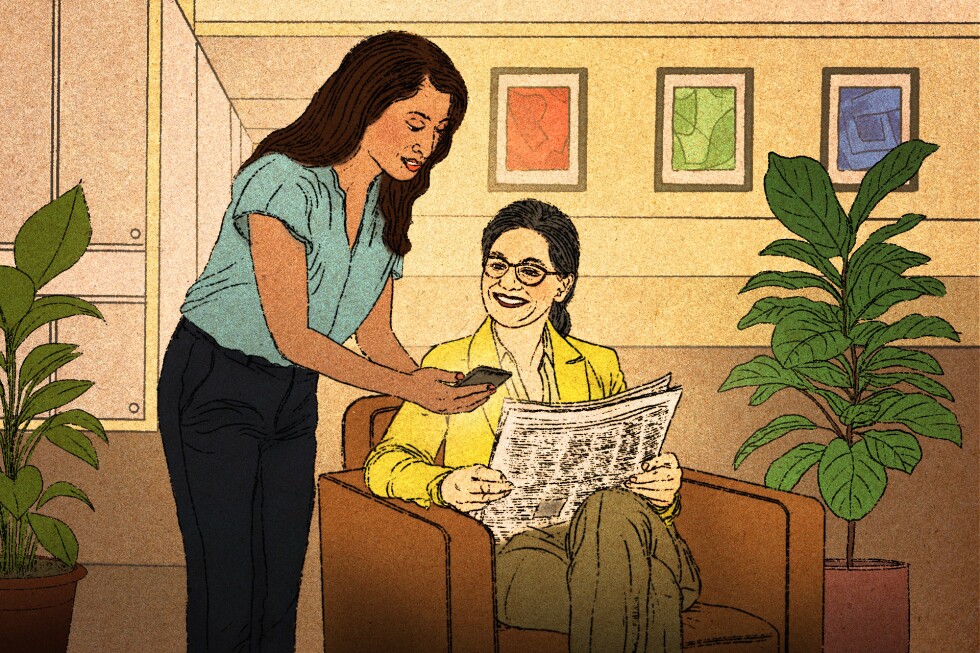
The daily ritual of bringing newspapers to the office is sacred for Barbara Goldberg. The Florida public relations CEO meticulously examines each page, savoring the tactile experience of print journalism. “I want to touch it, feel it, turn the page and see the photos,” Goldberg explains.
Her Generation Z employees, however, view this habit with bemused curiosity. Raised with smartphones and digital information streams, these young professionals discover emerging trends on platforms like TikTok and Instagram that might escape Goldberg’s radar.
This generational divide becomes apparent during the firm’s Monday staff meetings. Originally designed to discuss news developments relevant to clients, these gatherings frequently evolve into conversations about viral memes, influencers, and the latest digital slang. Rather than dismissing these diversions, Goldberg recognized their value. “Shoot, this is actually really insightful,” she realized. “I need to know the trending audio and I need to know these influencers.”
This scenario reflects a broader workplace reality across America. With at least five generations simultaneously participating in the workforce, colleagues often find themselves speaking different professional languages. But forward-thinking organizations are transforming these generational gaps into competitive advantages through reverse mentoring programs.
“The generational differences, to me, are something to leverage. It’s like a superpower,” Goldberg notes. “It’s where the magic happens.”
Unlike traditional mentoring where senior employees guide younger staff, reverse mentoring flips this dynamic, allowing less experienced team members to educate seasoned colleagues about emerging technologies and cultural shifts.
Beauty giant Estée Lauder embraced this concept a decade ago when executives noticed consumers increasingly turned to social media influencers rather than department stores for beauty advice. The company’s global reverse mentoring program now includes approximately 1,200 participants, pairing millennials and Gen Zers with baby boomers and Generation X colleagues.
Peri Izzo, an executive director who oversees the initiative, describes how new mentoring relationships begin with icebreakers like Gen Z vocabulary quizzes. Young mentors test older colleagues on contemporary phrases like something “living rent-free in your head” – a reference to persistent thoughts that one participant hilariously misinterpreted as referring to an adult child’s living arrangement.
Madison Reynolds, a 26-year-old product manager at Estée Lauder, mentors senior colleagues on expressions such as “You ate it up” (meaning “you did a good job”). When her manager attempts to use these phrases, Reynolds provides real-time feedback, creating a collaborative learning environment.
This exchange of knowledge flows both ways. At the Historic Hotel Bethlehem in Pennsylvania, 81-year-old managing partner Bruce Haines established a mentorship program with Lehigh University wrestling team members. While he taught them about entrepreneurship through departmental shadowing, the students provided unexpected marketing insights.
“It’s been energizing for me. It’s almost reinvigorating,” Haines says. The students advised shifting focus from Facebook to Instagram and YouTube to reach younger demographics. They also suggested offering prepackaged ice cream pints at the hotel’s parlor – a simple change that significantly increased sales.
While digital fluency is a common strength among younger workers, they often seek guidance on interpersonal skills. Carson Celio, a 26-year-old account supervisor at Goldberg’s firm, notes that COVID-19 disrupted traditional socialization opportunities during her college years. “We have spent so much time online and conducting meetings over Zoom or Teams,” she explains, making in-person networking challenging for her generation. Goldberg has helped her develop the confidence to work a room naturally.
Communication style preferences also vary significantly across generations. At Harvard Medical Faculty Physicians in Massachusetts, CEO Dr. Alexa Kimball observes that some senior clinicians send lengthy emails while younger trainees communicate in brief texts. The organization’s reverse mentoring program helped bridge this gap when implementing a new medical records system, pairing tech-savvy employees (typically younger) with colleagues who needed additional support.
Companies are also using intergenerational partnerships for knowledge transfer. At healthcare technology company Abbott, 62-year-old Robert Poole is the sole expert in operating a specialized laser used to create cardiovascular device components. As he approaches retirement, the company hired Shahad Almahania, 33, to work alongside him and absorb his decades of expertise.
The relationship benefits both parties. When Abbott removed landline phones five years ago, Poole relied on Almahania to navigate digital communication tools and decipher emoji meanings.
“When you strip away all the generational stereotypes, every age group, every person, is looking for some of the same things,” notes Leena Rinne, vice president at online learning platform Skillsoft. “They want supportive leadership. They want the opportunity to grow and to contribute in their workplace. They want respect and clarity.”
Fact Checker
Verify the accuracy of this article using The Disinformation Commission analysis and real-time sources.

16 Comments
This story highlights the value of fostering a culture of mutual respect and continuous learning. Kudos to the PR firm for creating an environment where younger and older workers can learn from each other.
Well said. Harnessing the strengths of a multigenerational workforce is a smart strategy for any organization looking to stay agile and innovative.
I’m curious to learn more about the specific strategies this PR firm used to facilitate the intergenerational mentorship program. Seems like a model worth replicating in other industries.
Good point. The details on how they structured the program and fostered a collaborative environment would be insightful for other companies to consider.
It’s fascinating to see how the rise of digital media has impacted the traditional workplace. This story highlights the value of keeping an open mind and adapting to new communication trends.
Agreed. Mutual learning and cross-pollination of ideas are key to thriving in a rapidly evolving business landscape.
Intergenerational mentorship is such a smart way to bridge the digital divide in the workplace. Older and younger workers can learn so much from each other’s perspectives and experiences.
Totally agree. Embracing the unique strengths of each generation creates a more dynamic, well-rounded team.
The digital divide in the workplace is a real challenge, but this PR firm has found a clever way to turn it into an advantage. Blending traditional and emerging media expertise is a smart strategy.
Agreed. Harnessing the complementary skills of different generations can lead to innovative problem-solving and enhanced productivity.
This story underscores the importance of cultivating a culture of continuous learning, no matter one’s age or experience level. Kudos to the leadership for embracing the diverse strengths of their team.
Absolutely. Creating opportunities for mentorship and knowledge-sharing is a hallmark of high-performing, adaptable organizations.
Interesting to see how the firm’s weekly staff meetings evolved to incorporate both old and new media trends. Adaptability and open-mindedness are crucial as the workplace continues to transform.
Exactly. Embracing change and finding common ground across generational lines is key to building a cohesive, high-performing team.
This is a great example of how companies can leverage the diversity of their workforce to improve communication and understanding. Kudos to the PR firm for encouraging this type of collaboration.
Exactly. Bridging the generational gap through mentorship benefits both young and seasoned employees.