


Listen to the article
Portuguese children cast their own ballots in innovative civic education initiative during presidential election, parents hope to inspire future voters.
LISBON, Portugal — As Portuguese citizens headed to polling stations across the country to cast their votes in Sunday’s presidential election runoff, young citizens-in-training received their own introduction to democracy through an innovative initiative at a Lisbon polling station.
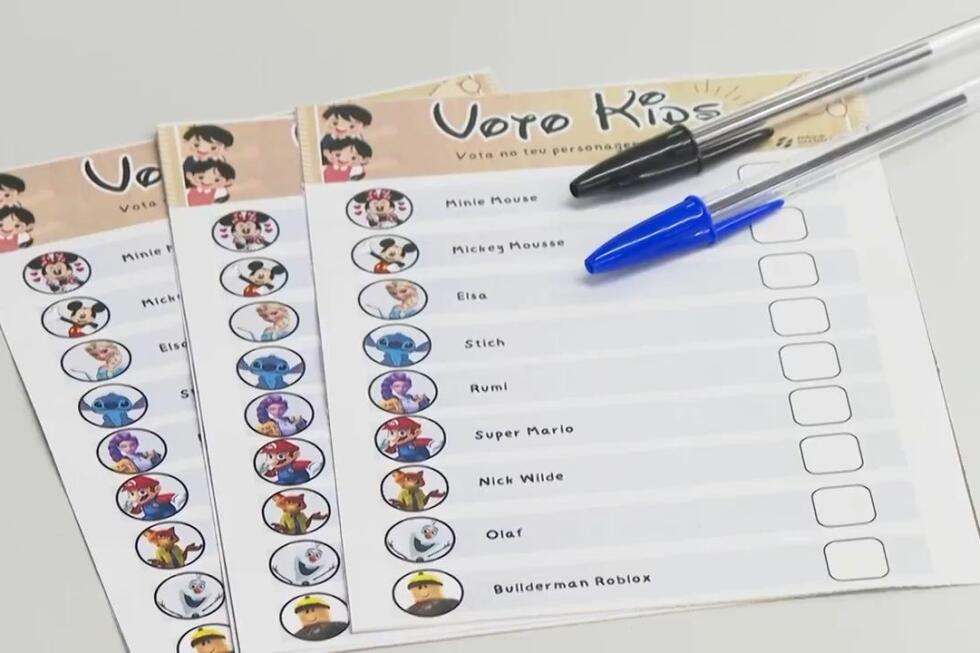
While their parents participated in the official election between two presidential candidates, children were invited to cast symbolic votes for their favorite fictional characters. The special children’s ballot featured beloved figures such as Super Mario and Roblox instead of political contenders, giving youngsters a hands-on experience with the voting process.
This appears to be the first program of its kind in Portuguese elections and represents a novel approach to civic education not commonly seen in electoral processes elsewhere. The simple ballot asked children to “Vote for your favorite character,” mimicking the format of the official election their parents were participating in simultaneously.
Catarina Barbosa, who brought her 8-year-old son Artur to the polls, embraced the educational opportunity. “I always like to bring him to encourage him, so that when he is 18 he doesn’t stay on the couch and also comes to vote,” she explained. “This is fun because this way he also feels he is voting and fulfilling his civic duties.”
Young Artur enthusiastically confirmed he recognized all the characters on his special ballot, highlighting how the initiative successfully engaged children through familiar cultural references.
The concept resonated with other families as well. João Dias, father of 9-year-old João and 11-year-old Carolina, used the experience to initiate conversations about civic responsibility with his children.
“It’s important for children to start to understand, when they’re younger, the responsibility, so that when they reach adulthood they can understand not only their rights but also their duties,” Dias said.
The initiative comes at a time when many democratic nations are grappling with voter apathy and declining participation rates, particularly among younger generations. Portugal itself has historically struggled with voter turnout, with abstention rates occasionally exceeding 50 percent in some elections.
By familiarizing children with the mechanics and importance of voting from an early age, election officials hope to cultivate lasting civic engagement habits. Research in political socialization suggests that children who are exposed to democratic participation through family activities are more likely to become active voters in adulthood.
The program aligns with broader European efforts to strengthen democratic traditions amid rising concerns about democratic backsliding in some regions. The European Commission has emphasized the importance of civic education in maintaining healthy democracies, and this Portuguese initiative represents a practical, grassroots approach to that goal.
Local election officials observed that the children’s excitement about participating in their own “election” created a more positive, family-friendly atmosphere at the polling station. The initiative required minimal resources—just specially designed ballots featuring characters recognizable to children—but potentially delivered significant value in normalizing democratic participation for the next generation.
Educators have noted that such experiential learning opportunities often prove more effective than theoretical lessons about democracy taught in classrooms. By coupling the abstract concept of civic duty with the concrete action of casting a ballot, children internalize the process in a memorable way.
As Portugal determines its next president, the youngest Portuguese citizens may have gained something equally valuable—their first taste of democratic participation and a foundation for lifelong civic engagement.
Fact Checker
Verify the accuracy of this article using The Disinformation Commission analysis and real-time sources.

9 Comments
What a wonderful way to spark an early interest in democracy! Allowing Portuguese children to cast symbolic votes for their favorite characters is a brilliant strategy to familiarize them with the voting process. This could be a model for other countries to follow.
This is a really clever and engaging way to introduce children to the voting process. Letting them ‘vote’ for fictional characters makes the experience fun and accessible, while still teaching them valuable civic lessons. Portugal is setting a great example with this innovative program.
I’m really impressed by this creative approach to civic education in Portugal. Letting kids ‘vote’ for fictional characters is a fun and accessible way to teach them about the electoral process. Kudos to the organizers for coming up with this innovative initiative.
Kudos to Portugal for this thoughtful initiative to introduce children to voting. Letting them cast symbolic ballots for beloved characters makes the process engaging and accessible. Building that early civic participation is so valuable for the next generation of citizens.
What a fun and innovative way to get kids excited about elections! Allowing them to ‘vote’ for their favorite characters is a great strategy to build democratic participation from a young age. Portugal is setting a great example for other countries to follow.
What a fantastic idea to get children involved in the electoral process through this ‘voting’ for fictional characters. It’s a clever and engaging way to teach them about the importance of civic duty, while keeping it fun and age-appropriate. Portugal is setting a wonderful example with this innovative program.
This is a great way to get kids involved in the democratic process early on. Exposing them to voting, even for fictional characters, helps build civic engagement and an understanding of how elections work. Hopefully this encourages them to be active citizens when they’re older.
Interesting civic education initiative. Letting children cast symbolic votes for fictional characters is a clever way to familiarize them with the voting process in a fun, age-appropriate manner. Kudos to Portugal for finding this creative approach to inspire future generations of voters.
This is a really smart idea to engage children in the electoral process. Voting for fictional characters is a clever way to teach kids about the importance of civic duty, without the complexity of actual political candidates. Bravo to Portugal for this innovative civic education program.