


Listen to the article
Airline Industry Leaders Urge Congress to End Shutdown Impacting Aviation Workers
Major U.S. airline executives have issued an urgent appeal to Congress, calling for immediate action to restore funding to the Department of Homeland Security (DHS) and provide financial relief to unpaid federal aviation workers affected by the ongoing partial government shutdown.
In a public letter published Sunday in The Washington Post, CEOs from American, Delta, Southwest, JetBlue, UPS, FedEx, and Atlas Air collectively voiced their concerns over the shutdown’s growing impact on the nation’s aviation system.
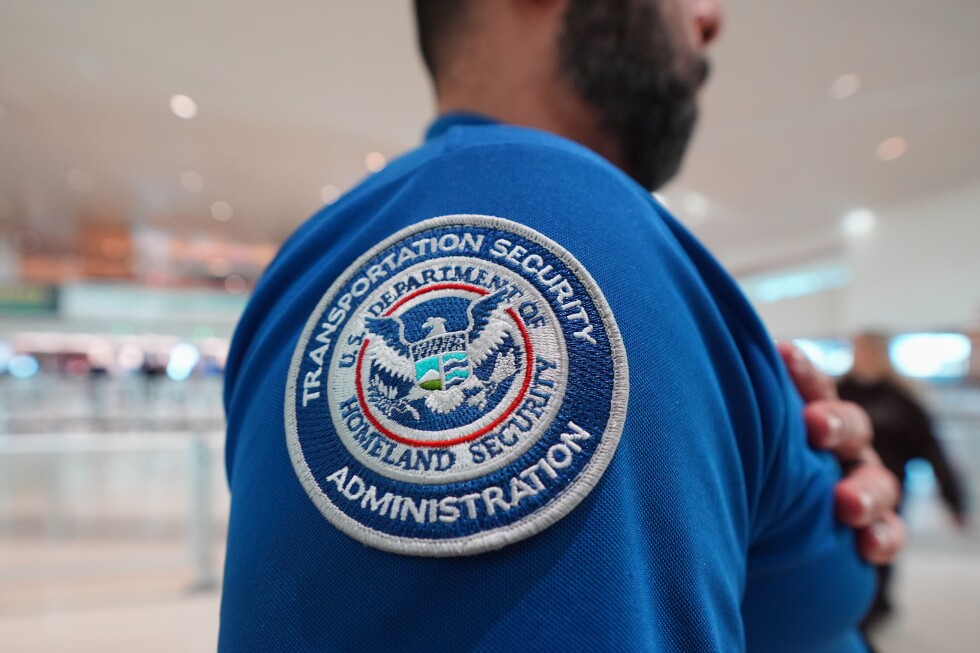
“Once again, air travel is the political football amid another government shutdown,” the industry leaders wrote, highlighting the increasing strain on Transportation Security Administration (TSA) officers who continue working without pay.
The executives are specifically advocating for the passage of three pieces of legislation: the Aviation Funding Solvency Act, the Aviation Funding Stability Act, and the Keep America Flying Act. These measures would ensure air traffic controllers and TSA officers continue receiving paychecks regardless of government funding status.
The letter emphasizes the personal toll on affected workers: “It’s difficult, if not impossible, to put food on the table, put gas in the car and pay rent when you are not getting paid.”
This marks the third shutdown in less than a year to leave TSA workers temporarily without compensation. Even when the government reopens, these essential workers must wait for back pay to arrive, creating significant financial strain for thousands of families.
The current impasse stems from congressional Democrats’ refusal to fund DHS without new restrictions on federal immigration enforcement operations. Democratic lawmakers have linked their demands to the fatal shootings of Alex Pretti and Renee Good in Minneapolis earlier this year, incidents that have intensified the political debate surrounding immigration policies.
The timing of this shutdown creates additional pressure on the aviation system. Airlines anticipate 171 million passengers during the spring break season alone. With FIFA’s World Cup 2026 approaching and nationwide celebrations for America’s 250th birthday throughout the year, industry leaders warn that continued disruption could have far-reaching consequences for travel and tourism.
Effects of the shutdown are already evident at airports nationwide. Travelers are experiencing increasingly long security lines at multiple major hubs, a situation DHS and TSA officials attribute directly to the funding impasse. Last week, DHS reported via its official X account that more than 300 TSA agents have resigned since the beginning of the shutdown, further straining an already challenged workforce.
Aviation analysts note this exodus of experienced security personnel could have lasting implications beyond the current crisis. The airline industry, which contributes approximately 5% to the U.S. GDP and supports millions of jobs, depends on efficient airport operations to maintain schedules and passenger confidence.
Industry observers point out that extended security delays not only frustrate travelers but can trigger cascading operational issues throughout the air transport system. Missed connections, delayed departures, and disrupted cargo shipments affect businesses across sectors that rely on timely air transport.
The shutdown’s impact extends beyond passenger inconvenience. Air cargo operations, critical for supply chains, medical deliveries, and e-commerce fulfillment, also face potential disruptions if the situation persists.
As both sides remain entrenched in their positions, the airline executives’ appeal underscores the aviation industry’s unique vulnerability to political standoffs that affect federal funding. Their unified message emphasizes that reliable air transportation infrastructure serves the national interest regardless of partisan perspectives.
For now, thousands of federal aviation workers continue performing their essential duties without pay, while airline executives and passengers alike watch closely for signs of a resolution to this latest chapter in Washington’s funding disputes.
Fact Checker
Verify the accuracy of this article using The Disinformation Commission analysis and real-time sources.
