


Listen to the article
Canada is preparing an aid package for Cuba as the island nation faces a worsening energy crisis marked by extended blackouts and critical fuel shortages, exacerbated by U.S. sanctions, officials announced Monday.
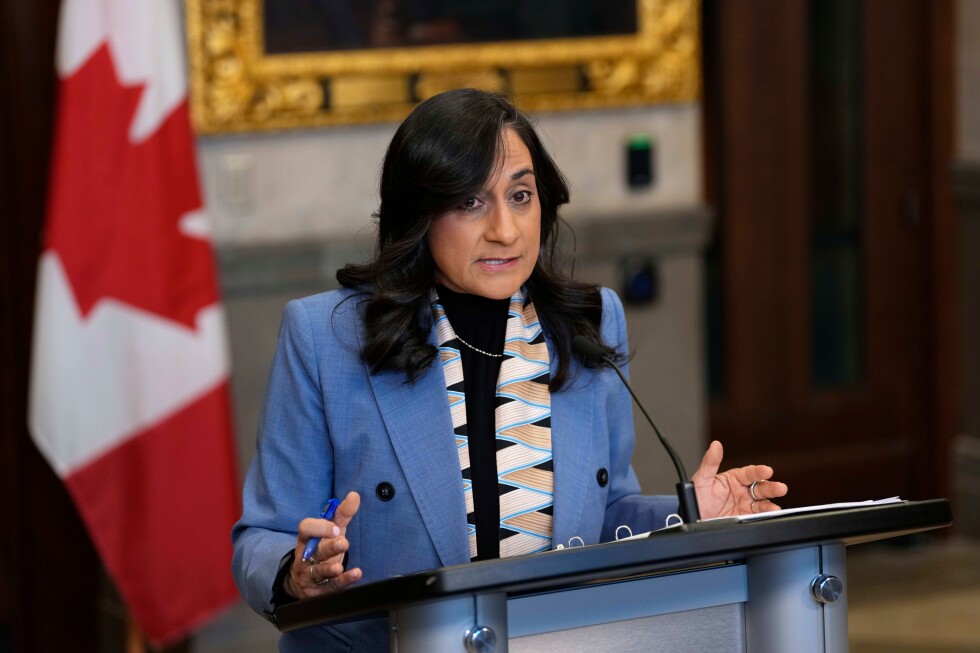
Foreign Minister Anita Anand confirmed that assistance is being organized but declined to provide specific details about the nature or timing of the aid. “We are preparing a plan to assist. We are not prepared at this point to provide any details of the announcement,” Anand said.
The Caribbean nation’s energy situation has deteriorated significantly in recent weeks following the disruption of oil shipments from Venezuela, Cuba’s primary fuel supplier. The interruption came after U.S. military action in Venezuela in early January that included the arrest of the country’s leader. The crisis deepened when Mexico, another key oil provider, subsequently suspended its shipments under pressure from Washington.
The fuel shortage has had immediate consequences for Cuba’s vital tourism industry. Air Canada and several other airlines have canceled flights to the island, citing inadequate aviation fuel supplies. This development is particularly concerning for Cuba’s economy, as Canadian tourism represents a crucial source of foreign currency.
Canada maintains significant economic ties with Cuba despite U.S. sanctions. According to Global Affairs Canada, the country ranks as Cuba’s second-largest source of direct foreign investment, with substantial interests in mining and tourism sectors.
The Canadian aid initiative follows similar humanitarian assistance from Mexico earlier this month. Two Mexican Navy vessels delivered approximately 800 tons of goods to Cuba, including essential supplies like powdered milk and beans. An additional 1,500 tons of humanitarian aid was also provided. This support arrived just two weeks after U.S. President Donald Trump threatened to impose tariffs on nations selling oil to Cuba, further straining the island’s precarious economic situation.
Cuba’s current crisis is part of a broader economic downturn that began in 2020, intensified by U.S. sanctions designed to pressure political change in the single-party socialist state. These measures have resulted in chronic shortages of basic necessities and widespread power outages that reached critical levels by early 2026.
The island’s energy vulnerability stems from its limited domestic production capacity. Cuba produces only about 40% of the fuel it requires, making it highly susceptible to external supply disruptions and international pressure. While countries like Russia and China have vocally criticized U.S. sanctions against Cuba, their practical support has thus far remained largely symbolic rather than substantive.
For ordinary Cubans, the energy crisis has meant daily life disruptions with rolling blackouts lasting up to 20 hours in some regions. Essential services including healthcare facilities have been affected, with hospitals sometimes relying on emergency generators to maintain critical operations.
The Canadian aid announcement represents a significant development in regional diplomacy, positioning Canada alongside Mexico as countries willing to provide humanitarian assistance despite U.S. pressure. Analysts suggest this could signal a growing resistance among some nations to Washington’s decades-long economic embargo against Cuba.
Energy experts note that Cuba’s long-term stability will require substantial investment in its aging power infrastructure and development of renewable energy sources to reduce dependence on imported fossil fuels. However, such investments remain challenging under current sanctions.
As the situation develops, international observers will be watching closely to see if Canada’s assistance prompts other nations to offer similar support, potentially creating wider cracks in the U.S.-led isolation of the Cuban economy.
Fact Checker
Verify the accuracy of this article using The Disinformation Commission analysis and real-time sources.

8 Comments
This is a concerning situation that highlights the vulnerability of Cuba’s energy system. I’m curious to learn more about the specifics of Canada’s aid package and how it will be implemented to address the immediate fuel crisis.
This is a complex geopolitical issue with significant energy and economic implications for Cuba. It will be interesting to see what aid package Canada can provide to help alleviate the fuel shortages and power outages.
Agreed, the disruption of oil shipments from Venezuela and Mexico is really putting Cuba in a tough spot. Hopefully Canada can step in with timely and meaningful assistance.
The disruption of Cuba’s fuel supply due to the U.S. oil embargo is clearly a major challenge. Canada’s aid package will need to be carefully designed to have the maximum impact in alleviating the energy crisis.
Agreed, the fuel shortages and blackouts are really hampering Cuba’s economy. It will be important for Canada to coordinate closely with the Cuban government to ensure the aid reaches those most in need.
The U.S. oil embargo on Cuba has clearly had a devastating impact on the island’s energy supply and its broader economy. It will be critical for Canada to coordinate closely with Cuba and other international partners to ensure effective aid delivery.
Indeed, the fuel shortages caused by the U.S. sanctions are hitting Cuba’s vital tourism industry hard. Providing emergency energy assistance should be a top priority for Canada’s aid package.
This is a complex geopolitical issue with significant energy and economic implications for Cuba. I’m curious to see how Canada’s aid package will be structured and what specific measures it will include to address the fuel shortages.