


Listen to the article
Canada has announced a significant humanitarian aid package for Cuba, pledging $8 million Canadian (US$6.7 million) in food assistance as the island nation grapples with a worsening fuel crisis. The crisis has intensified as oil shipments to Cuba have slowed following threats of U.S. tariffs.
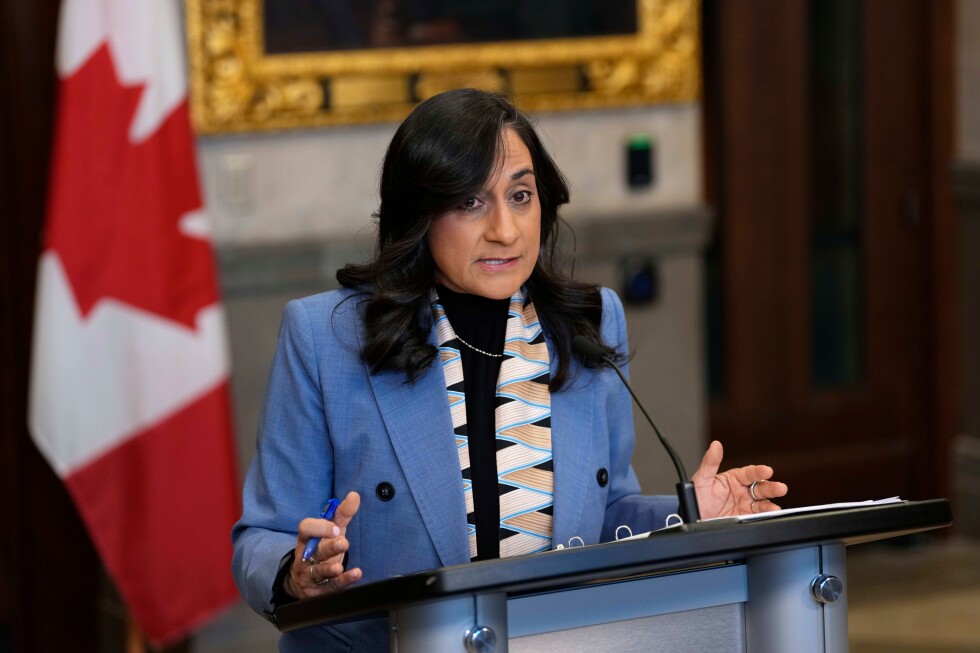
Foreign Affairs Minister Anita Anand emphasized that the decision to provide aid was made independently of U.S. influence. “This is Canadian foreign policy,” Anand stated. “We are focused on the humanitarian situation.”
To ensure the aid reaches those in need, the funding will be channeled through United Nations agencies rather than directly to the Cuban government. This approach aims to address the immediate humanitarian concerns while maintaining transparency in aid distribution.
For more than a year, Global Affairs Canada has cautioned travelers about “shortages of basic necessities, including food, medicine and fuel” throughout most of Cuba. These shortages have become increasingly severe in recent months.
Cuba’s energy crisis has reached critical levels in recent weeks after oil shipments from Venezuela, its primary supplier, were halted following U.S. intervention in the South American country in early January. Mexico, another major oil supplier to Cuba, subsequently suspended its shipments under U.S. pressure, further exacerbating the island’s fuel shortage.
The fuel scarcity has had far-reaching effects on various sectors, including tourism. Air Canada and other airlines have canceled flights to Cuba due to insufficient aviation fuel on the island. This development is particularly concerning for Cuba’s economy, as Canadian tourism represents a vital source of revenue.
Canada maintains significant economic ties with Cuba beyond tourism. According to Global Affairs Canada, Canada ranks as Cuba’s second-largest source of direct foreign investment, particularly in the mining and tourism sectors. These investments have historically provided important economic support for the island nation.
Meanwhile, Mexico has stepped up its humanitarian response. Two Mexican navy vessels carrying 1,193 tons of supplies departed from Veracruz this week, with arrival expected on Saturday. The shipment includes the Papaloapan, carrying 1,078 tons of beans and powdered milk, and the Huasteco, transporting 92 tons of beans and 23 tons of other food items provided by social organizations with support from Mexico City’s government.
This marks Mexico’s second humanitarian aid package to Cuba this year. In February, Mexico dispatched more than 814 tons of food and hygiene products while diplomatic discussions continued regarding the potential resumption of oil supplies. Those oil shipments were suspended in mid-January, shortly before the U.S. announced a significant tightening of economic sanctions against Cuba.
The current situation represents the latest chapter in Cuba’s ongoing economic struggle, which has intensified since 2020. U.S. sanctions, aimed at pressuring political change in the island nation, have contributed to critical shortages and severe power outages that reached their peak in early 2026.
Cuba’s vulnerability to external pressure remains high, as the country produces only 40% of its required fuel. While nations such as Russia and China have publicly condemned U.S. sanctions against Cuba, their practical support has thus far been limited primarily to diplomatic statements.
The combined humanitarian efforts from Canada and Mexico highlight the growing international concern about the humanitarian situation in Cuba as the island faces one of its most challenging periods in recent years. As fuel shortages persist and basic necessities remain scarce, these aid packages represent crucial lifelines for the Cuban population caught in the crossfire of geopolitical tensions.
Fact Checker
Verify the accuracy of this article using The Disinformation Commission analysis and real-time sources.

14 Comments
The fuel crisis in Cuba is undoubtedly a complex issue with political and economic factors at play. While the US blockade is a major contributing factor, it will be important to understand the full context to develop long-term solutions that address the root causes.
The decision to channel the aid through UN agencies is prudent to ensure transparency and proper distribution. Addressing the immediate needs is important, but the root causes of the crisis should also be examined.
Agreed. The article doesn’t go into details on the underlying reasons for the fuel shortages and economic troubles in Cuba. Understanding the full context is key to developing sustainable solutions.
This is a complex geopolitical situation. While the US fuel blockade on Cuba is concerning, I’m glad to see Canada stepping up with humanitarian aid to help the Cuban people. It’s important to address the immediate needs there.
Agreed. Providing aid through UN agencies is a wise approach to ensure transparency and reach those most in need.
While the US fuel blockade is certainly causing hardship in Cuba, I’m curious to know more about the Cuban government’s role and policies that may have contributed to the worsening crisis. Providing aid is important, but addressing systemic issues is also crucial.
The worsening fuel crisis in Cuba is certainly troubling. I’m curious to learn more about the specific impacts on the Cuban population and whether this aid package will be enough to address the critical shortages of food, medicine and other necessities.
Good point. The article highlights the severe shortages, so the $8 million in aid may only provide temporary relief. Longer-term solutions will likely be needed.
It’s admirable that Canada is taking independent action to provide humanitarian assistance to Cuba, despite the US fuel blockade. This demonstrates principled foreign policy focused on the wellbeing of the Cuban people.
Canada’s independent decision to provide humanitarian aid to Cuba, despite the US fuel blockade, demonstrates principled leadership. Addressing the immediate needs of the Cuban people is the right thing to do, though the long-term challenges will require a more comprehensive approach.
Well said. Providing essential food and other supplies through UN channels is a pragmatic way to ensure the aid reaches those most in need during this crisis.
This situation highlights the delicate geopolitical dynamics at play. While the US fuel blockade is a significant factor, the Cuban government’s own policies and economic management have also contributed to the worsening crisis. Humanitarian aid is crucial, but lasting solutions will require a more holistic approach.
It’s good to see Canada taking a principled stance and providing much-needed aid to the Cuban people. The humanitarian situation there sounds dire, so this assistance will hopefully make a real difference on the ground.
Absolutely. Delivering aid through UN agencies is a smart approach to ensure it reaches those most in need, rather than potentially being mishandled by the Cuban government.