


Listen to the article
Washington State Agency Apologizes for Spanish Language Service That Used AI-Generated Accented English
For months, Spanish-speaking callers to the Washington state Department of Licensing (DOL) received an unusual response when selecting the Spanish language option: an AI voice speaking English with a heavy Spanish accent. The bizarre situation came to light after Washington resident Maya Edwards’ Mexican husband attempted to use the service while seeking driver’s license information.
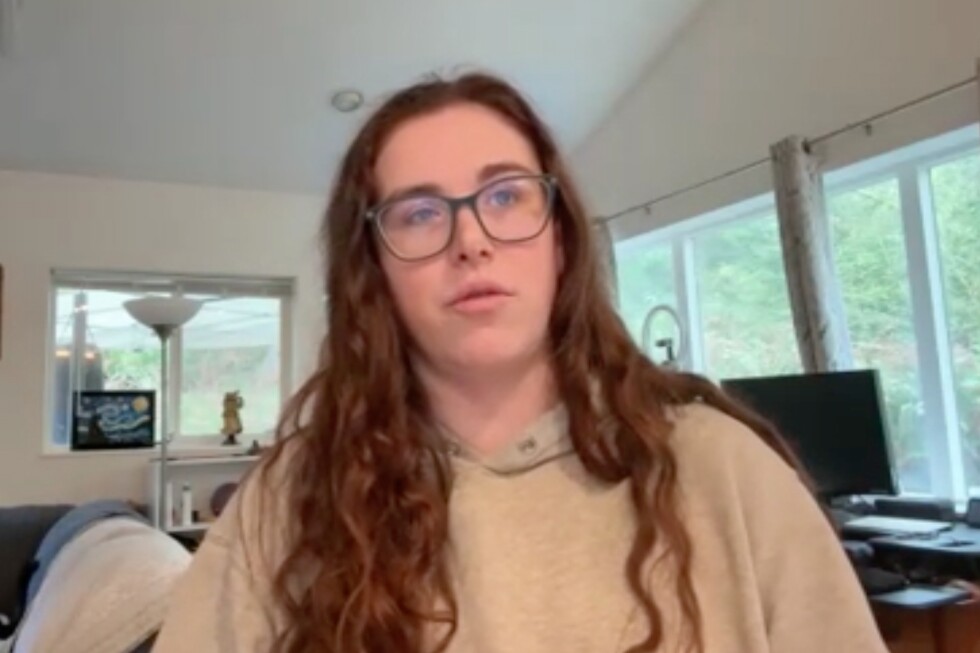
Edwards described the experience as reminiscent of a scene from the comedy show “Parks and Recreation,” which satirizes local government inefficiencies. “It was hilarious to us in the moment because it was so absurd,” Edwards said. “But at the same time, it has real accessibility issues for people who call in every day and need to speak in a different language other than English.”
The issue persisted for several months before gaining wider attention. When Edwards called the number again recently and found the error still existed, she recorded the call and shared it on TikTok, where it quickly went viral, amassing approximately 2 million views.
As of Thursday morning, callers selecting Spanish-language options were still greeted with accented English after hearing a message in English acknowledging translation service problems. An Associated Press reporter who tested the system heard a voice that spoke primarily English with Spanish words occasionally inserted. “Your estimated wait time is less than ‘tres’ minutes,” the voice said during one call.
The DOL confirmed Friday that the problem had been fixed after determining it was caused by internal staff errors. In a statement released Thursday, the agency apologized “for the error and to its customers for any inconvenience,” adding that the issue was “an unfortunate byproduct of expanding services” through its self-service option.
The technical aspects of the problem point to confusion in implementing automated translation services. The DOL’s phone system uses a newer AI-driven technology that offers self-service options in 10 different languages. According to the Associated Press, the voice appears to match Amazon Web Services’ “Lucia” voice from its Polly service, which is designed to mimic Castilian Spanish.
While the DOL stated Amazon provides the platform for the phone service, they declined interview requests about the specifics of the implementation error. Amazon did not immediately respond to requests for comment about how their technology was deployed in this case.
This incident highlights growing concerns about the implementation of AI language services in government agencies. As artificial intelligence becomes more prevalent in customer service applications, the potential for misconfiguration and inappropriate deployment increases, potentially creating barriers for non-English speakers seeking government services.
Language accessibility remains a critical issue in the United States, where approximately 13.5% of the population speaks Spanish at home, according to U.S. Census Bureau data. Government agencies at all levels have legal obligations to provide language access services to limited English proficient individuals under Title VI of the Civil Rights Act.
The Washington DOL has not indicated whether the problem affected languages other than Spanish. Attempts by reporters to test other language options did not reveal similar accent-based errors in those services.
As government agencies increasingly rely on AI and automation to deliver services, this incident serves as a reminder of the importance of thorough testing and cultural sensitivity, particularly when implementing technologies designed to serve diverse populations.
Fact Checker
Verify the accuracy of this article using The Disinformation Commission analysis and real-time sources.

7 Comments
This is quite an amusing but concerning situation. Using AI-generated accented English instead of proper Spanish is a clear accessibility failure. It’s troubling that this persisted for months before gaining wider attention.
You’re right, this seems like an unacceptable lapse in providing adequate language services. The state agency should take immediate steps to rectify this and ensure proper Spanish support.
As a Spanish speaker myself, I find this experience deeply frustrating. Accessing key government resources should not require navigating poorly implemented AI systems. The state must do better to serve all its constituents.
I’m curious to know more about the technical issues or policy decisions that led to this outcome. Was it simply a lack of resources, or were there other factors at play? Regardless, it’s an important lesson in the need for robust language accessibility.
Agreed, the state really needs to investigate this breakdown and be transparent about what happened. Providing quality multilingual services should be a basic expectation for government agencies.
This is a peculiar and rather comical situation, but the implications are quite serious. Excluding Spanish speakers from essential government services is a clear civil rights violation that needs to be addressed swiftly.
Absolutely, this is no laughing matter. The state owes the public a sincere apology and a clear action plan to rectify the problem and prevent such lapses in the future.