


Listen to the article
Brazilian exports to the U.S. still face 40% tariffs despite Trump’s recent rollback, according to Vice President Geraldo Alckmin, who addressed reporters in Brasilia on Saturday.
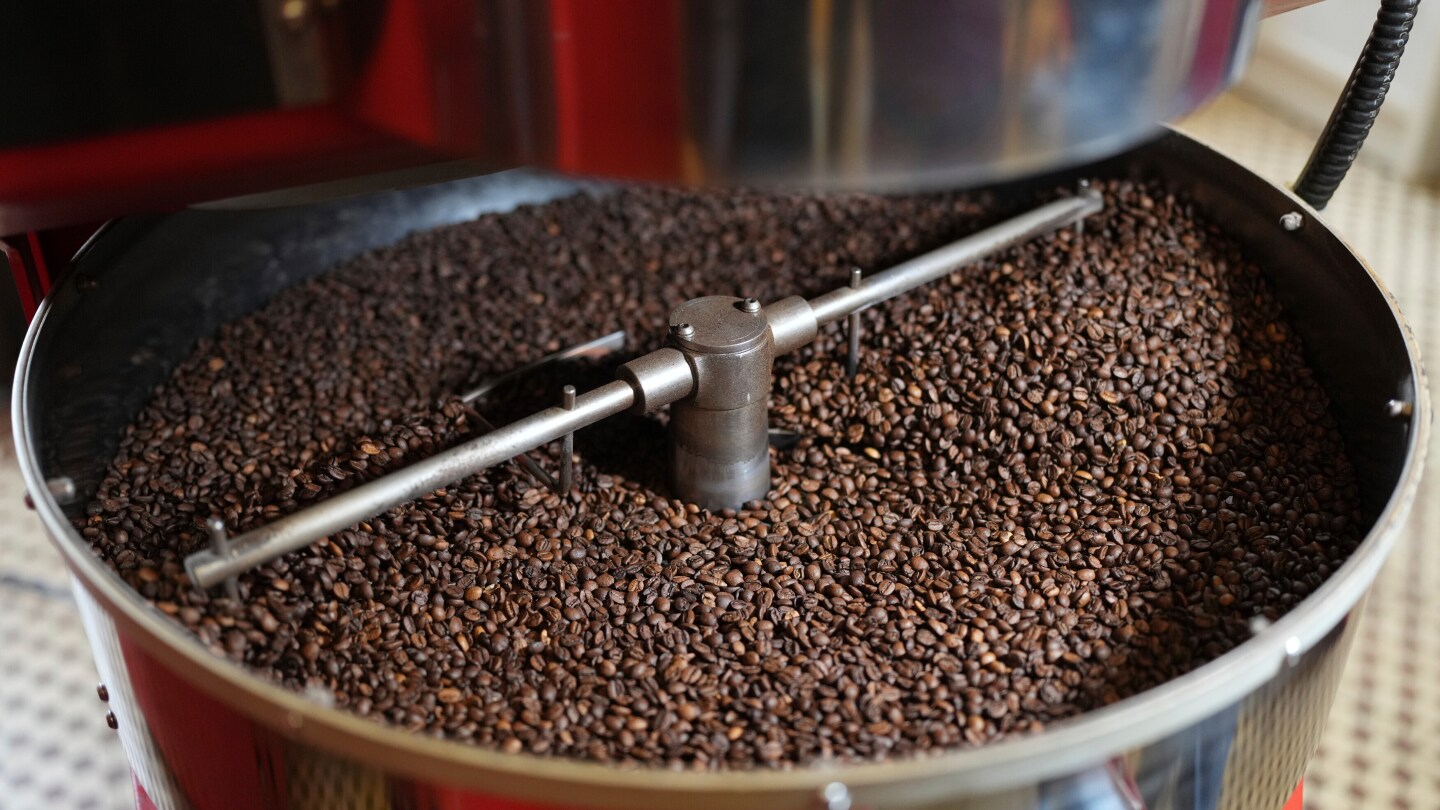
While President Donald Trump’s Friday decision to scrap some import levies has provided partial relief, key Brazilian exports including coffee, beef, and tropical fruits remain subject to substantial tariffs.
“Everyone got 10% less, but in Brazil’s case, which had 50%, we ended up with 40%, which is very high,” Alckmin explained. He described the decision as “positive” and “a step in the right direction” but emphasized that a significant “distortion needs to be corrected.”
The tariff situation with Brazil has a complex political history. In April, Trump initially imposed a 10% tariff on Brazilian goods as part of his broader “Liberation Day” economic initiative aimed at encouraging domestic production. Then in July, he added a further 40% tariff specifically targeting Brazil, citing among his justifications the legal proceedings against his ally, former Brazilian President Jair Bolsonaro.
Those proceedings continued despite Trump’s pressure, resulting in Bolsonaro receiving a 27-year prison sentence in September for attempting a coup. The politically motivated tariffs strained U.S.-Brazil relations to a historic low.
Alckmin noted that certain Brazilian products such as orange juice, which weren’t targeted by the additional 40% tariff, will now enjoy zero tariffs following Trump’s recent rollback. Overall, the percentage of Brazilian goods entering the U.S. without additional tariffs has marginally increased from 23% to 26%.
The trade tension comes despite Brazil maintaining a trade deficit with the United States, making the tariffs particularly punitive from Brazil’s perspective. However, diplomatic channels appear to be improving. Brazilian President Luiz Inácio Lula da Silva and Trump met in Malaysia in October, a meeting Alckmin described as “important in terms of dialogue and negotiation.”
Following that encounter, Lula expressed confidence that the two countries would soon reach a trade deal. Diplomatic efforts continued this week with a 50-minute meeting between U.S. Secretary of State Marco Rubio and Brazil’s Foreign Minister Mauro Vieira.
The Trump administration has consistently maintained that its tariff policies helped fill government coffers without significantly contributing to higher consumer prices in the United States. However, Democrats have characterized Friday’s partial rollback as an acknowledgment that Trump’s policies were in fact hurting American consumers.
Record-high beef prices have been a particular concern in the U.S. market, and Trump had indicated he intended to take action to lower them. The tariffs on Brazil, a major global beef exporter, had contributed to those elevated prices, creating pressure for policy adjustment.
The Brazilian Association of the Coffee Industry is closely monitoring the situation. In a statement, the group’s president Pavel Cardoso said they would “keep working to ensure legal certainty, competitiveness, and predictability for the Brazilian coffee industry.”
Brazil’s agricultural exports to the United States represent a crucial sector of its economy. Coffee, one of the country’s signature exports, faces particular challenges with the remaining 40% tariff, potentially impacting global coffee markets and prices. Similarly, Brazilian beef exports, which have been gaining market share globally in recent years, now face competitive disadvantages in the lucrative U.S. market.
The partial rollback signals a potential thawing in trade relations, but significant barriers remain. Analysts suggest that full normalization of trade terms may depend on further diplomatic engagements and potentially new trade agreements between the incoming Trump administration and the Lula government.
Fact Checker
Verify the accuracy of this article using The Disinformation Commission analysis and real-time sources.

8 Comments
The tariff situation between the U.S. and Brazil seems to be an ongoing tug-of-war with political motivations on both sides. It will be interesting to see if they can find a more stable and mutually beneficial trading arrangement.
You make a good point. Resolving the tariff dispute will likely require balancing economic and political considerations. It will be a delicate negotiation process.
Interesting that Brazil’s key exports still face substantial tariffs despite Trump’s rollback. The tariff situation seems quite complex with political factors at play. I wonder how this will impact trade relations and the broader economic landscape.
You’re right, the political dynamics behind these tariffs add an extra layer of complexity. It will be important to see how the two countries navigate this moving forward.
The complex history behind these tariffs highlights the challenges of maintaining stable trade relationships, especially when political factors come into play. Finding a lasting solution will require compromise and goodwill on both sides.
40% tariffs on Brazilian coffee, beef and tropical fruits is still quite high, even with the partial rollback. This could have significant implications for consumers and the agricultural industry in both countries.
Agreed. The tariff situation remains a major sticking point that will require further negotiation and compromise on both sides.
While the partial tariff rollback is a step in the right direction, the 40% rate on key Brazilian exports is still quite high. This could continue to strain trade relations and impact consumers and businesses on both sides.