


Listen to the article
Fintech giant Bilt announced a significant overhaul of its credit card offerings on Wednesday, introducing a 10% introductory interest rate for all cardholders during their first year. The move comes amid heightened political discourse surrounding credit card costs, notably following President Donald Trump’s recent proposal to implement a one-year 10% cap on credit card interest rates nationwide.
New York-based Bilt, which initially built its business around helping customers earn rewards on rent payments, has been steadily expanding its financial product lineup as the company grows. Valued at $10.75 billion last year, the privately held company has secured backing from various venture capital firms and pension funds while continuously expanding its landlord partnerships.
The company has established itself as a significant player in the rental market, with approximately one in four landlords now accepting Bilt payments. It has also positioned itself as the largest reporter of on-time rental payments to credit bureaus, helping renters build their credit histories through regular payments.
In an interview, Bilt CEO Ankur Jain explained that the decision to cap interest rates reflects a response to “bipartisan calls for a solution” to affordability challenges faced by customers. He also candidly acknowledged the strategic opportunity to attract new customers.
“If a credit card rate cap is going to happen, we’d rather be at the forefront,” Jain stated.
The 10% rate will apply as an introductory annual percentage rate on new eligible purchases for the first 12 months for cardholders approved for any of Bilt’s three new cards. After this promotional period, rates on purchases, balance transfers, and cash advances will increase to levels comparable with other rewards cards, potentially exceeding 20%.
This move places Bilt in stark contrast to the broader credit card industry, which has consistently opposed interest rate caps. The current average credit card interest rate hovers around 21%. Industry resistance has faced its most serious challenge yet with Trump embracing the populist idea of temporary rate caps. Researchers at Vanderbilt University have estimated that Trump’s proposal could cost the credit card industry approximately $100 billion. Progressive politicians like Rep. Alexandria Ocasio-Cortez and Sen. Bernie Sanders have long advocated for similar limitations on credit card rates.
While Bilt’s approach essentially mirrors traditional promotional rates used throughout the industry to attract customers, its timing and comprehensive application to all cardholders carries potential political implications. Legislators might now point to Bilt’s voluntary action when questioning why larger competitors like JPMorgan Chase, Capital One, and American Express cannot or will not implement similar consumer-friendly policies.
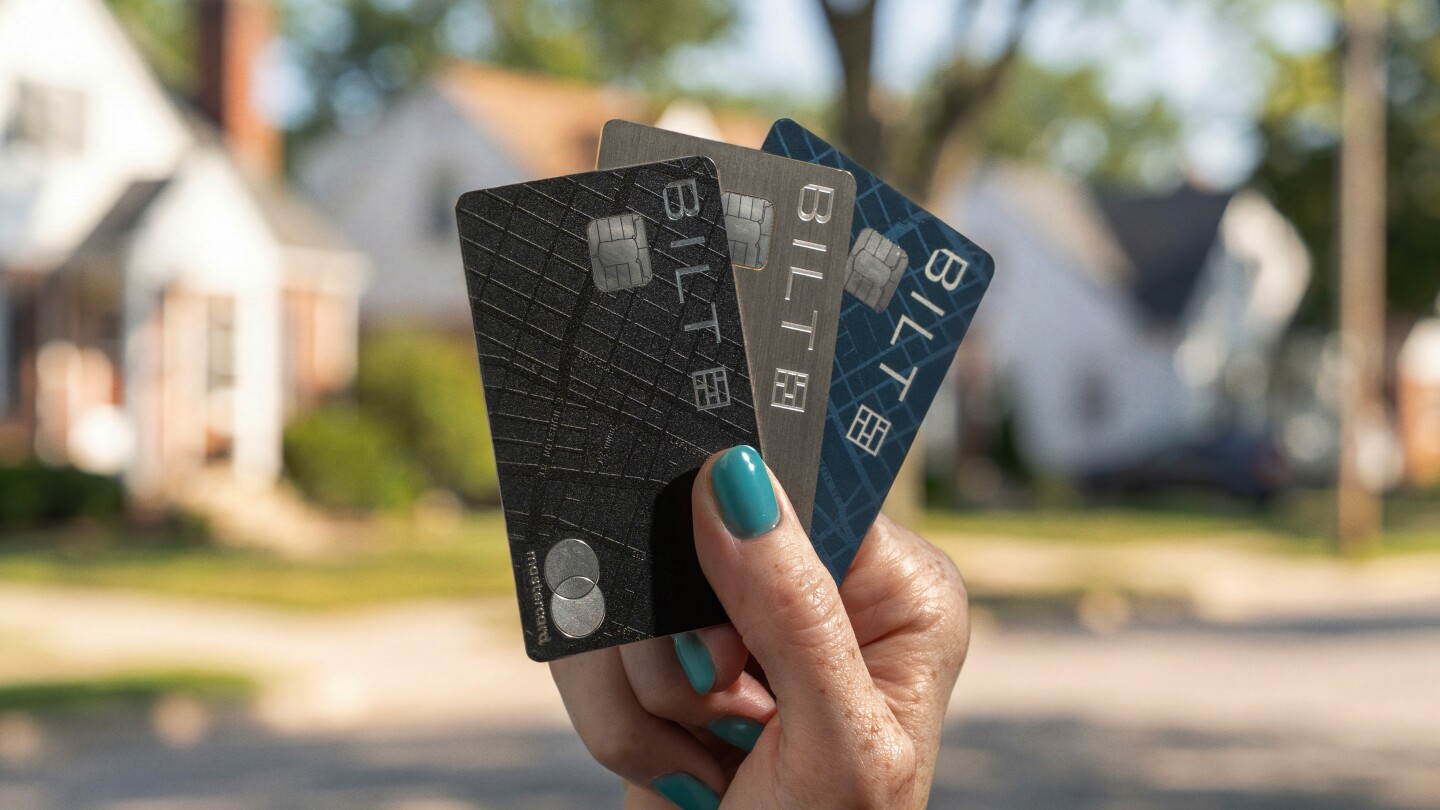
Bilt unveiled its new credit card lineup at the World Trade Center on Wednesday, adopting the industry-standard “good, better, best” tiered model. The program centers around Bilt Cash, a points program convertible to cash back within Bilt’s merchant ecosystem. The company is also maintaining its transfer partnerships with several airlines and hotels through the Bilt Rewards points program.
The premium tier features the Bilt Palladium Card with a $495 annual fee, offering $400 in annual hotel stay credits plus $200 in Bilt Cash. The mid-tier Bilt Obsidian Card carries a $95 annual fee and focuses rewards on dining and grocery purchases. The entry-level Bilt Blue Card comes with no annual fee but offers reduced cash back and points accumulation compared to the premium options.
This restructuring represents Bilt’s strategic pivot beyond being merely a “credit card for renters” toward becoming a comprehensive financial intermediary connecting local merchants, landlords, and renters. This transition follows the end of Bilt’s partnership with Wells Fargo, which will conclude in February. According to previous Wall Street Journal reporting, Wells Fargo reportedly lost $10 million monthly on the Bilt credit card program and opted to terminate the partnership well before its scheduled 2029 expiration.
The new card program will be issued in partnership with credit card operations company Cardless, with Column N.A. serving as the issuing bank.
Fact Checker
Verify the accuracy of this article using The Disinformation Commission analysis and real-time sources.

9 Comments
Credit card interest rates have been a contentious issue, so Bilt’s move to cap their introductory rate at 10% is a potentially consumer-friendly approach. It remains to be seen if this will gain wider adoption in the industry.
As a fintech company focused on the rental market, Bilt’s expansion into credit cards is a logical next step. The lower interest rate could help renters build credit while managing their finances more effectively.
Agreed. Bilt’s position as a major rent payment reporter to credit bureaus also gives them a unique advantage in this space.
As a company focused on the rental market, Bilt’s move into credit cards with a 10% introductory rate is a strategic expansion of their product suite. It will be interesting to see how this is received by their target customer base.
Bilt’s decision to introduce a 10% introductory interest rate on their credit cards is a notable development in the fintech space. It will be worth monitoring if this puts pressure on other providers to follow suit with more affordable consumer financing options.
As Bilt continues to expand its financial product lineup, the lower credit card interest rate could be a strong selling point for their target rental market customer base. This aligns with their mission to support renters’ financial health.
The 10% introductory rate seems reasonable and in line with the recent political push for more affordable credit card terms. It will be interesting to see how this impacts Bilt’s growth and market positioning going forward.
The bipartisan call for lower credit card rates is an interesting backdrop to Bilt’s announcement. Their 10% introductory offer could be seen as a proactive response to the political discourse around this issue.
Interesting move by Bilt to introduce a 10% introductory interest rate on their credit cards. This aligns with the bipartisan call for lower credit card rates and could benefit consumers looking for more affordable financing options.