


Listen to the article
The Big Ten Conference is set to receive nearly $70 million from the NCAA for team performances in the 2026 basketball tournaments, far outpacing other conferences following a dominant showing in both men’s and women’s competitions.
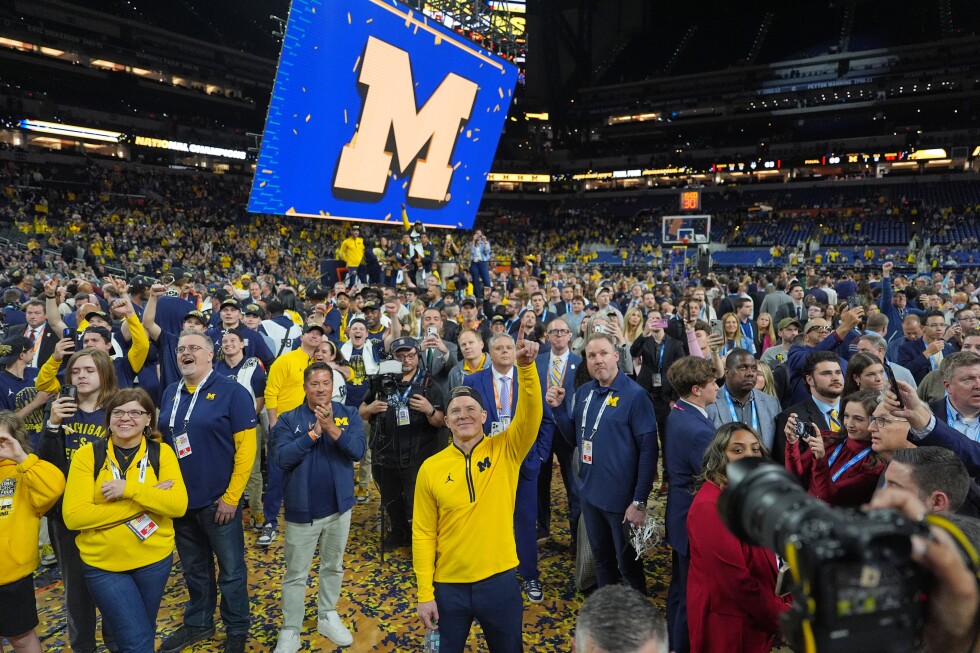
The conference’s impressive haul comes largely on the strength of Michigan’s men’s championship and UCLA’s women’s title, along with Illinois’ advancement to the men’s Final Four. These achievements helped the Big Ten accumulate a substantial portion of the NCAA’s tournament-based distribution funds.
Nine men’s teams and twelve women’s teams from the Big Ten participated in the tournaments, combining to generate at least $69.4 million in revenue for the conference. The men’s teams accounted for $63 million of that total, while the women’s teams contributed the remainder.
“This represents an unprecedented level of success for a single conference in a tournament year,” explained a college sports financial analyst who requested anonymity. “The Big Ten essentially maximized their potential earnings by not only getting teams into the tournaments but by having them advance deep into the brackets.”
By comparison, the Southeastern Conference earned approximately $56.2 million from having ten teams in each tournament, with $50.4 million coming from men’s appearances and $5.8 million from women’s. Other major conferences also received significant distributions, with the Big 12 earning $42.9 million, the Atlantic Coast Conference $34.2 million, and the Big East $22.2 million.
The NCAA’s distribution system operates on a “unit” model that has been in place for men’s basketball since 1991. Each team earns one unit for qualifying for the tournament and additional units for each round they advance. National champions receive an extra unit. A similar system for women’s basketball began in 2025, marking a significant step toward equity in collegiate athletics.
For the 2026 men’s tournament, each unit is valued at approximately $350,000 and will be paid annually over six years, meaning a single unit will ultimately be worth at least $2.1 million. These payments are scheduled to increase by about 2.9% each year, according to NCAA representatives.
The women’s tournament unit structure, while growing, remains smaller. Units earned in 2026 are valued at $75,000 and will be paid over three years rather than six. This value is expected to decrease to approximately $63,000 next year as part of the NCAA’s formula for fully implementing the fund. At current projections, a single unit earned in the 2026 women’s tournament would be worth approximately $201,000 over the three-year payment period.
Michigan’s men’s team generated $14.7 million for the Big Ten by playing in six tournament games and receiving a seventh unit for winning the championship. Illinois earned $10.5 million for reaching the Final Four, while both Iowa and Purdue contributed $8.4 million each by advancing to the Elite Eight.
On the women’s side, UCLA’s championship run earned approximately $1.4 million for the conference through six games plus the championship bonus. Michigan’s women’s team generated $804,000 from four tournament appearances, and Minnesota added $603,000 from three games.
The basketball championships capped what has been an exceptional athletic year for the Big Ten. Indiana claimed the conference’s third straight College Football Playoff title, while other national championships were secured in men’s wrestling (Penn State), women’s ice hockey (Wisconsin), men’s water polo (UCLA), men’s soccer (Washington), and field hockey (Northwestern). Wisconsin’s men’s hockey team also reached the national championship game, where they were scheduled to face Denver.
The NCAA sends these distribution payments directly to conferences, which then allocate the funds among member institutions according to their own internal policies. The payments for the 2026 tournament performances will begin in April 2027.
Industry observers note that these significant financial returns highlight the increasing commercial value of college basketball tournaments, particularly as broadcast deals continue to expand. The distribution system also underscores how successful tournament performances can dramatically impact athletic department budgets across major conferences for years to come.
Fact Checker
Verify the accuracy of this article using The Disinformation Commission analysis and real-time sources.

10 Comments
Incredible performance by the Big Ten in March Madness, earning nearly $70M in incentives. This demonstrates the enormous commercial value of college basketball and the NCAA tournaments. I wonder how this influx of funds will impact the conference’s overall strategy and investments in their athletic programs.
The Big Ten’s tournament earnings underscore the growing importance of basketball to the financial health of major college sports conferences. This windfall will likely give them a competitive edge in recruiting top talent and maintaining their status as a powerhouse in the NCAA.
Wow, $70M is a huge payday for the Big Ten. This demonstrates the immense commercial value of March Madness and the NCAA tournaments. I wonder how the conference plans to allocate these funds – will it go towards coaches’ salaries, facility upgrades, or student-athlete support?
The Big Ten’s performance is a reminder of the importance of basketball to the financial health of major college sports conferences. This windfall will give them an edge in recruiting top talent and maintaining their status as a powerhouse in the NCAA.
The Big Ten’s March Madness earnings highlight the enormous commercial value of college basketball. $70M is a staggering sum, and it will be fascinating to see how the conference chooses to allocate these funds. Will they focus on upgrading facilities, boosting coaching salaries, or expanding student-athlete support services?
The Big Ten’s tournament success gives them a significant financial advantage over other conferences. This windfall could allow them to further strengthen their basketball programs and widen the gap with their peers, making it even harder for other conferences to compete at the highest level.
The Big Ten’s $70M haul from March Madness is an impressive feat. It speaks to the strength of their basketball programs and their ability to capitalize on the tournament’s massive popularity and revenue potential. I’m curious to see how this influx of funds will be reinvested to further elevate the conference’s basketball dominance.
The NCAA tournament’s lucrative payouts are a key driver of the intense competition between major conferences like the Big Ten. This financial incentive system creates strong incentives for conferences to invest heavily in their basketball programs to secure tournament bids and deep runs.
Impressive showing by the Big Ten in March Madness! Earning nearly $70M in incentives is a testament to the strong basketball programs in the conference. It will be interesting to see how they invest this windfall to further develop their teams and attract top talent.
The Big Ten’s success highlights the growing value of college basketball tournaments as a revenue stream for conferences. This is likely to intensify competition between conferences to field top teams and advance deep into the tournaments.