


Listen to the article
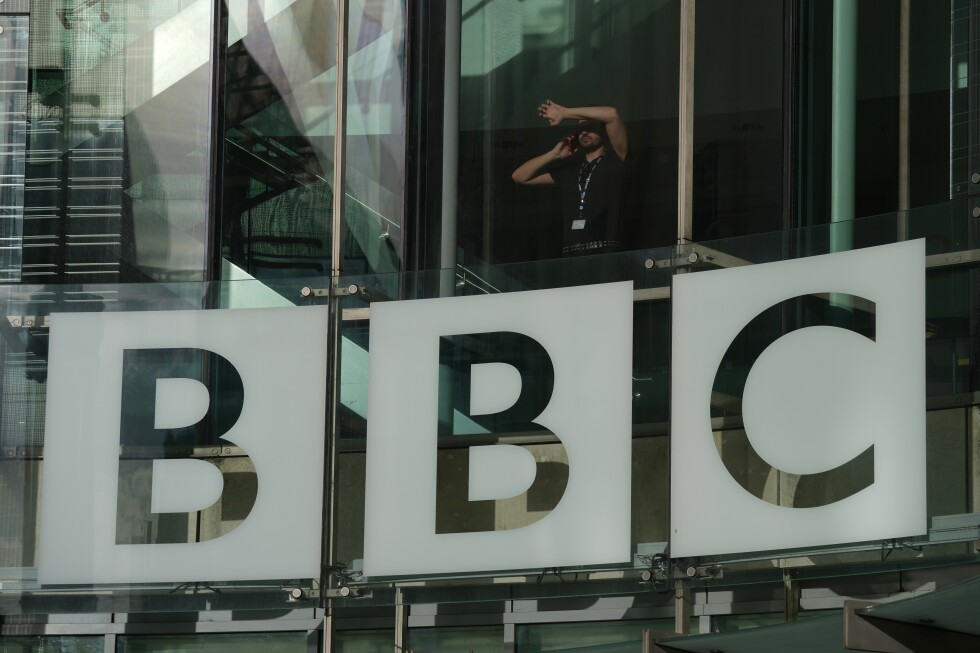
The BBC has filed a motion to dismiss former President Donald Trump’s $10 billion lawsuit against the broadcaster, warning that allowing the case to proceed could significantly hinder media coverage of public figures. The motion was submitted Monday to a Florida court, where Trump initiated legal proceedings last December.
The lawsuit centers on a BBC documentary titled “Trump: A Second Chance?” which aired shortly before the 2024 U.S. presidential election. At issue is the documentary’s editing of Trump’s January 6, 2021 speech, which the former president claims misrepresented his words by splicing together three separate quotes from two sections of his address, making it appear as though he explicitly encouraged supporters to storm the Capitol building.
In its 34-page filing, the BBC presented multiple arguments for dismissal. First, the broadcaster contends the Florida court lacks jurisdiction since the documentary was never aired in Florida or anywhere else in the United States. The BBC also maintains that Trump failed to “plausibly allege facts showing that defendants knowingly intended to create a false impression.”
“Trump’s case falls well short of the high bar of actual malice,” the BBC stated in its motion, referencing the legal standard typically required in defamation cases involving public figures in the U.S.
The British broadcaster emphasized the broader implications the lawsuit could have on press freedom, noting that “early dismissal is favoured given the powerful interest in ensuring that free speech is not unduly burdened by the necessity of defending against expensive yet groundless litigation, which would constrict the breathing space needed to ensure robust reporting on public figures and events.”
The legal battle stems from editorial choices made in the documentary, which omitted a section of Trump’s speech where he called for supporters to demonstrate peacefully. Trump’s lawsuit characterizes the BBC’s presentation as a “false, defamatory, deceptive, disparaging, inflammatory, and malicious depiction” designed to interfere with and influence the 2024 presidential election.
Trump is seeking $5 billion in damages for alleged defamation and an additional $5 billion for what he claims were unfair trade practices. A federal judge in the Southern District of Florida has tentatively scheduled a trial for February 2027, though the BBC’s motion aims to prevent the case from reaching that stage.
The controversy has already had significant repercussions within the BBC’s leadership structure. The broadcaster’s chairman has publicly apologized to Trump over the editing choices, acknowledging they gave “the impression of a direct call for violent action.” The fallout from the incident prompted the resignations of both the BBC’s top executive and its head of news last year, underscoring the gravity with which the organization viewed the editorial lapse.
Despite this apology, the BBC firmly rejects Trump’s defamation claims and maintains that the case should be dismissed outright.
The legal dispute highlights the tension between robust political reporting and the rights of public figures, particularly in an era of heightened scrutiny of media coverage. For the BBC, one of the world’s most respected public broadcasters, the case represents a significant challenge to its editorial practices and international reputation.
Media law experts are watching the case closely, as its outcome could potentially influence how international news organizations cover American political figures and how U.S. courts handle defamation claims involving foreign media outlets. The BBC, which reports daily on Trump and other global political figures, argues that allowing such lawsuits to proceed creates a dangerous precedent that could inhibit essential journalistic scrutiny of powerful individuals.
Fact Checker
Verify the accuracy of this article using The Disinformation Commission analysis and real-time sources.

7 Comments
The allegations around the BBC’s editing of Trump’s January 6th speech seem quite serious. I’m curious to learn more details on how the documentary portrayed his remarks and whether it was indeed a misrepresentation.
I agree, the documentary’s portrayal of Trump’s speech will be a key focus. The BBC claims it did not intend to create a false impression, so the court will have to carefully examine the evidence.
This lawsuit touches on important questions around media freedom and the limits of public figure defamation claims. It will be an important case to follow as it progresses through the US legal system.
The BBC’s claim that the documentary was never aired in the US raises an interesting jurisdictional question. I wonder if that could be a key factor in how the court rules on the motion to dismiss.
While high-profile defamation cases can be controversial, it’s critical that the courts carefully evaluate the evidence and legal arguments from both sides before reaching a decision. A thorough and impartial review is essential.
This is an interesting case around media coverage of prominent public figures. It will be important to see how the US court rules on the BBC’s motion to dismiss Trump’s defamation lawsuit.
The BBC raises some compelling arguments around jurisdiction and intent. It will be a complex case to resolve given the high-profile nature of the parties involved.