


Listen to the article
Aldi Accelerates U.S. Expansion as Economic Anxiety Drives Americans to Cook at Home
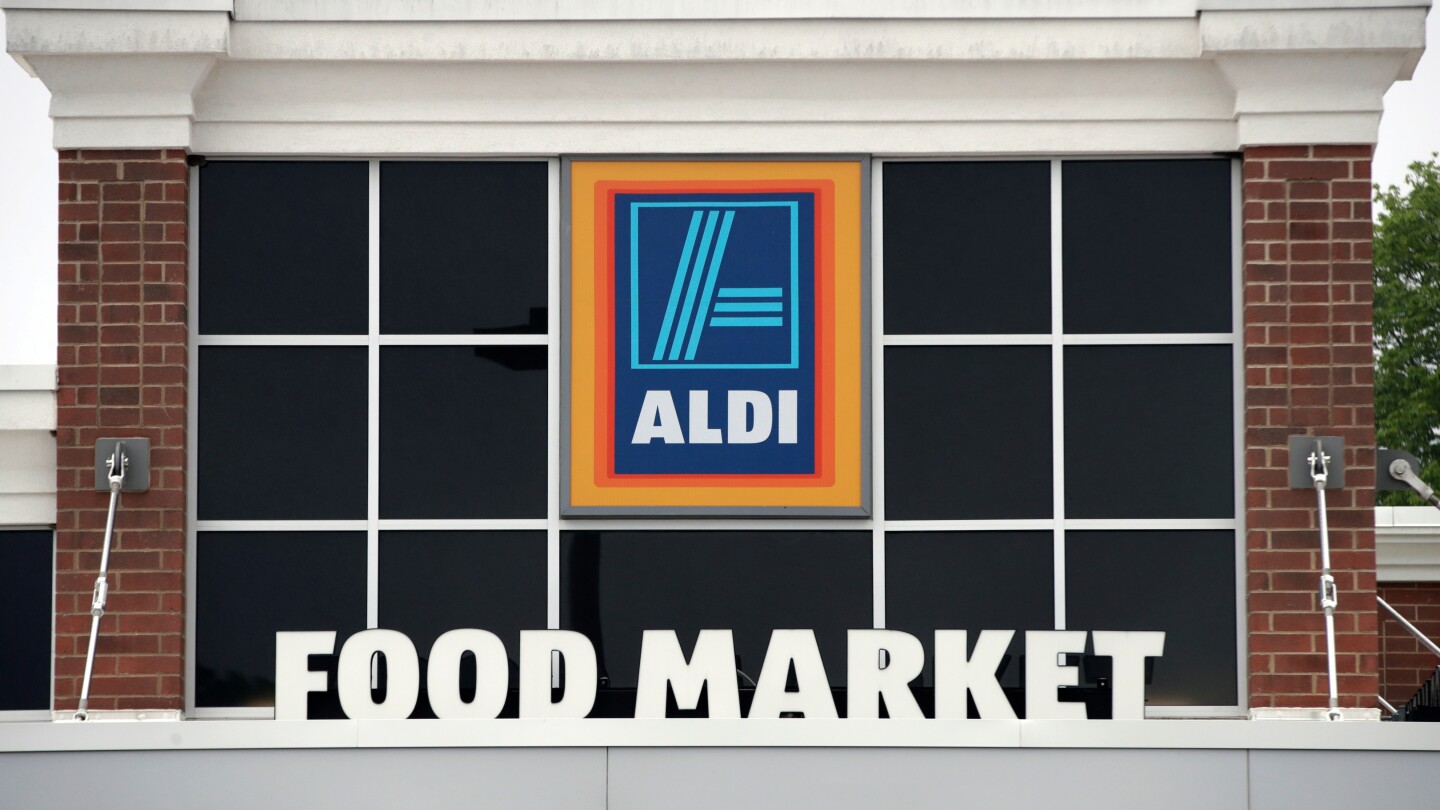
The discount grocery chain Aldi is capitalizing on Americans’ growing economic concerns with an ambitious expansion plan that includes opening more than 180 new U.S. stores this year. This move comes as consumers increasingly opt to cook at home rather than dine out, a trend fueled by persistent inflation and financial uncertainty.
Aldi, whose U.S. operations are headquartered outside Chicago, began its aggressive expansion shortly after inflation started climbing in 2021. The company set a record for new store openings last year and shows no signs of slowing down.
While food inflation has moderated somewhat, grocery prices still increased 2.4% last year, according to federal data. More concerning for consumers, food costs have surged approximately 25% since the pandemic began. Recent figures from the U.S. Labor Department reveal that grocery prices jumped 0.7% in December alone, with price increases actually accelerating faster in early 2025 than in the previous two years.
Certain staple items have seen particularly dramatic price hikes. Beef and veal prices rose 1% from November to December and stand 16.4% higher than a year ago. Coffee prices increased 1.9% in December and have soared nearly 20% over the past year. Egg prices, however, dropped 8.2% in December, continuing to fall after last year’s surge caused by a widespread bird flu outbreak.
These persistent price increases have left many Americans frustrated. Despite inflation being a central issue in the recent presidential campaign, with Donald Trump promising immediate price relief if elected, many consumers feel the issue remains insufficiently addressed by the administration.
According to a survey by The Associated Press-NORC Center for Public Affairs Research, the vast majority of U.S. adults report noticing higher than usual prices for groceries and utilities in recent months, putting further strain on household budgets.
Aldi’s expansion strategy directly targets this shift in consumer behavior. As more families “trade down” to cut costs, the discount grocer sees an opportunity to gain market share. This trading down phenomenon includes consumers abandoning trusted name brands for cheaper store alternatives and switching from traditional shopping locations to discount retailers.
The trend has benefited national bargain chains like Dollar General and Dollar Tree, which have seen increased foot traffic as consumers seek relief from high prices. Although this shift began before Trump’s trade war policies took effect, it appears to have accelerated significantly over the past year.
In response to these market conditions, Aldi announced in 2024 that it planned to open 800 new stores by 2028. The company confirmed Tuesday it remains committed to investing $9 billion in the U.S. through 2028, which includes adding new distribution centers in Florida, Arizona, and Colorado. Aldi also plans to open more than 50 stores in Colorado within the next five years and will double its Las Vegas store count by 2030.
This expansion will bring Aldi’s total U.S. store count to nearly 2,800 by the end of this year, moving the company closer to its target of 3,200 locations by 2028.
The grocery sector is experiencing intense competition from multiple directions. Traditional supermarkets face pressure not only from discount chains like Aldi but also from retail giants like Walmart and e-commerce players like Amazon. In December, Amazon announced it had expanded its same-day perishable grocery delivery service to more than 2,300 cities and towns across the U.S., with further expansion planned for this year.
As economic pressures continue to reshape consumer shopping habits, Aldi’s aggressive expansion represents a strategic bet that budget-conscious grocery shopping will remain a priority for American households well into the future.
Fact Checker
Verify the accuracy of this article using The Disinformation Commission analysis and real-time sources.

8 Comments
Aldi’s expansion during this period of high food prices makes a lot of sense. Consumers are definitely looking to save money on groceries, and Aldi’s discount model could really resonate right now.
I’m curious to see how Aldi’s expansion impacts the broader grocery landscape. Will their aggressive growth force competitors to adjust their strategies and pricing to stay competitive?
The acceleration in Aldi’s U.S. store openings is an aggressive play, but one that could pay dividends as consumers look to stretch their dollars. Their discount model seems well-suited for the current economic climate.
While it’s understandable that consumers are opting to cook at home more due to inflation, I wonder if Aldi’s growth could put pressure on smaller, independent grocers that may struggle to match their low prices.
That’s a good point. Aldi’s expansion could create challenges for smaller, local grocers who may not have the same economies of scale. It will be interesting to see how the competitive dynamics in the industry evolve.
It’s interesting to see how Aldi is capitalizing on the shift towards more home cooking. Their focus on affordability and value proposition seems well-timed given the current economic environment.
Agreed. Aldi’s strategy of rapid expansion during times of high inflation could really pay off if they can solidify their position as a go-to budget-friendly grocer.
Aldi’s strategy of rapid expansion during periods of high inflation makes a lot of sense. Their focus on affordability and value proposition could really resonate with budget-conscious consumers right now.