


Listen to the article
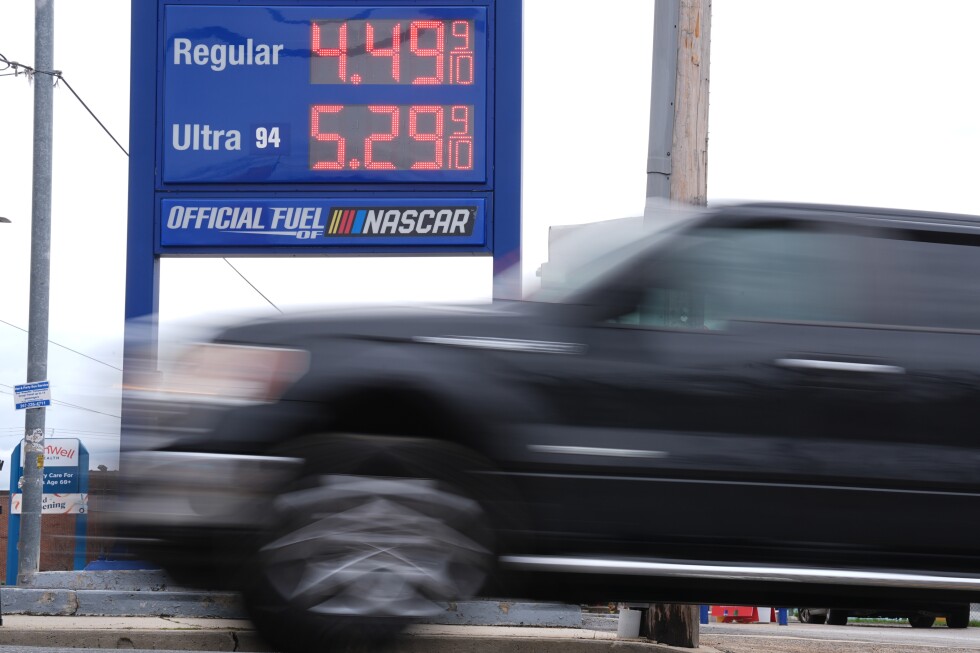
U.S. gas prices surpassed an average of $4 per gallon for the first time since 2022, as the ongoing conflict between the United States, Israel and Iran continues to disrupt global oil markets. According to motor club AAA, the national average for regular gasoline reached $4.02 on Tuesday, marking a staggering increase of over one dollar since the war began on February 28.
This price point represents a significant milestone not seen since the aftermath of Russia’s invasion of Ukraine nearly four years ago. While $4.02 represents the national average, many states have already been experiencing higher prices for some time, with regional variations stemming from differences in local supply chains and state tax structures.
The primary driver behind this price surge has been the sharp increase in crude oil costs, which have spiked dramatically since the conflict erupted in the Middle East. The war has severely disrupted critical supply chains and prompted production cuts from major oil-producing nations throughout the region.
The impact extends well beyond American shores. Motorists worldwide are grappling with similar price increases. In Paris, for instance, gasoline currently costs approximately 2.34 euros per liter ($2.68), equivalent to roughly $10.27 per gallon when converted to U.S. measurements.
The economic implications of these rising fuel costs are widespread and potentially severe. Many households already struggling with inflation and cost-of-living pressures now face additional strain on their budgets. As consumers allocate more money toward essential transportation costs, they may be forced to reduce spending in other areas, potentially slowing broader economic activity.
The ripple effects extend into multiple sectors. Higher transportation costs inevitably filter through to consumer goods, particularly items requiring frequent delivery such as groceries. The United Postal Service has already announced plans to implement a temporary 8% surcharge on popular services including Priority Mail to offset rising operational costs.
The diesel market has been hit particularly hard. Current national diesel prices average $5.45 per gallon, up dramatically from $3.76 before the conflict began. This affects the entire logistics and transportation industry, which relies heavily on diesel fuel to move goods across the country.
The situation remains precarious. Most tanker traffic through the strategically crucial Strait of Hormuz—a narrow waterway through which approximately one-fifth of global oil typically passes—has ground to a halt. Major oil producers in the region have been forced to cut production with no viable means to transport their crude to international markets. Meanwhile, military strikes by all parties involved have targeted oil and gas infrastructure, further exacerbating supply concerns.
In response to the crisis, the International Energy Agency has announced plans to release 400 million barrels of oil from emergency stockpiles held by member nations, including the United States. This marks a notable shift for the Trump administration, which initially downplayed the need to tap into strategic reserves but has since reversed course as prices continued climbing.
The administration has taken additional steps, including easing sanctions to allow some oil imports from Venezuela and temporarily from Russia. The White House has also announced a 60-day waiver of requirements under the Jones Act, a century-old maritime law that regulates shipping between U.S. ports.
Whether these measures will provide meaningful relief for consumers remains uncertain. Multiple factors influence gasoline prices, and refineries typically purchase crude oil in advance, meaning some facilities may continue processing more expensive oil for weeks to come. Additionally, seasonal factors are at play, as spring traditionally brings increased demand and the transition to more expensive summer-blend fuels.
Despite being a net oil exporter, the United States remains vulnerable to global price fluctuations. This paradox stems partly from the mismatch between the type of crude America produces—primarily light, sweet varieties—and what many U.S. refineries, especially those on the East and West coasts, are designed to process: heavier, sour crude.
History offers some perspective on the current situation. Gas prices last peaked above $5 per gallon in June 2022, approximately four months after Russia’s invasion of Ukraine triggered international sanctions against one of the world’s leading oil producers. Prices subsequently declined, with the national average remaining below $4 per gallon from mid-August 2022 until this week’s milestone.
As the conflict continues with no immediate resolution in sight, American consumers and businesses alike face uncertain prospects regarding energy costs in the coming months, with potentially significant implications for the broader economy and ongoing political debates surrounding inflation and cost-of-living issues.
Fact Checker
Verify the accuracy of this article using The Disinformation Commission analysis and real-time sources.

8 Comments
This is a significant development, especially with the ongoing geopolitical tensions impacting global oil markets. It will be interesting to see how the major energy companies and producers respond to these price increases.
Wow, $4 per gallon is a real milestone. I wonder how this will impact consumer behavior and the overall economy. Hopefully the situation stabilizes soon and prices can come back down.
Rising fuel prices are really squeezing household budgets. Hopefully there are some policy interventions that can help provide relief.
As an investor, I’ll be closely watching how this affects energy and commodity stocks. Higher fuel prices could be a boon for some producers, but may also weigh on consumer sectors. Curious to see how it all plays out.
Good point. These macro shifts can create both opportunities and risks for different industries. Careful analysis will be needed to navigate the changing landscape.
$4 per gallon is a major psychological threshold. I wonder if this will spur more consumer demand for electric vehicles and alternative fuel sources. The transition to cleaner energy may accelerate as a result of these price shocks.
Higher gas prices couldn’t come at a worse time, with inflation already squeezing household budgets. This is likely to put additional strain on lower and middle-income families who rely on personal vehicles. Curious to see what policy responses emerge.
Agree, the impact on consumers will be significant. Policymakers will be under pressure to find ways to provide relief and support during this difficult period.