


Listen to the article
Montana’s AI Ambitions: Data Centers Surge Despite Environmental Concerns
Montana is emerging as an unexpected contender in the artificial intelligence revolution, with experts ranking it third nationally for its potential to power data centers. This ranking, published by CNBC last July, highlights the state’s advantages in grid reliability and competitive electricity pricing. Despite this recognition, Montana has historically hosted only a handful of small data centers, many of which have come and gone quickly.
That landscape is poised for dramatic transformation as Big Tech’s race to deploy AI technologies drives unprecedented demand for data processing infrastructure. The Brookings Institute has described artificial intelligence as “the transformative technology of our time,” with data centers serving as the critical backbone supporting these advancements.
Montana’s utility giant, NorthWestern Energy, has signed preliminary agreements with three companies over the past 14 months, signaling the state’s growing appeal to data center developers. While these agreements offer insights into the massive electricity requirements these facilities would demand, details about their water consumption remain largely undisclosed.
Environmental watchdogs have expressed concern about this lack of transparency, warning that Montana’s communities could become “sacrifice zones” serving the data processing needs of global technology firms. Anne Hedges, Executive Director of the Montana Environmental Information Center (MEIC), noted that public interest in these developments has been extraordinary.
“We’ve had to turn people away in a room that holds hundreds,” Hedges said, describing a recent standing-room-only event in Billings. “It’s fascinating from an academic perspective, but certainly from the perspective of somebody who wants to get regulations in place to protect Montanans from what the richest men in America want to do.”
Aaron Wemhoff, a mechanical engineer studying data centers’ environmental impacts, explained that developers are increasingly targeting rural locations where they face “a little bit less resistance and perhaps friendlier governments.” This strategy comes as the industry confronts both power supply bottlenecks and growing community opposition in more densely populated areas.
The most ambitious project currently proposed is Texas-based Quantica Infrastructure’s Big Sky Digital Infrastructure campus south of Broadview. The facility would require up to 1 gigawatt of continuous power—exceeding the average load NorthWestern Energy uses to serve its entire customer base of more than 400,000. Quantica has secured a 5,000-acre property and aims to begin construction this year, despite lacking necessary water rights.
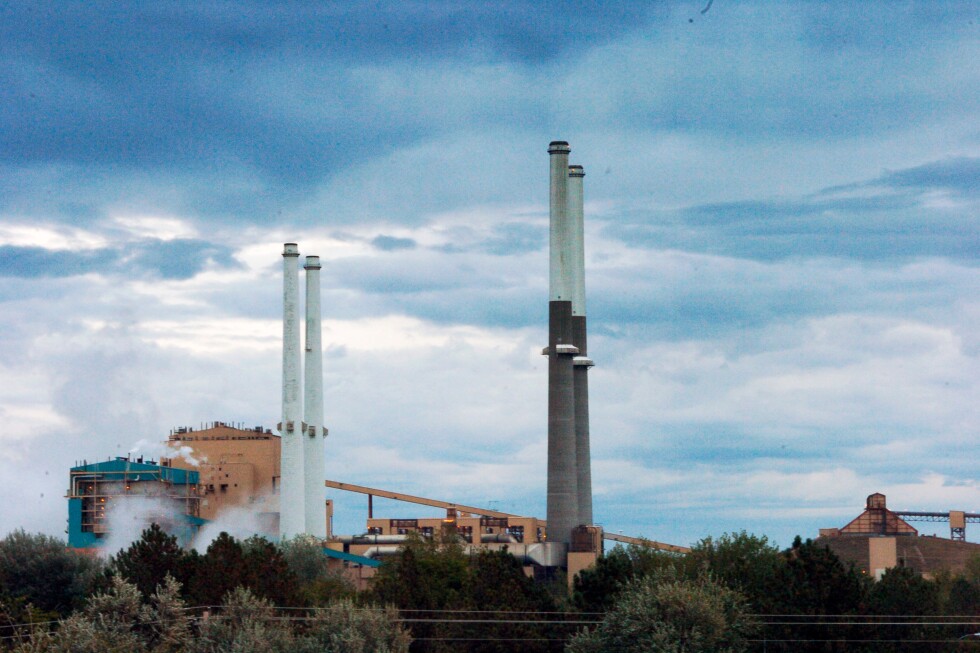
“We’re evaluating multiple approaches including zero-water air cooling, deep aquifer wells, treated greywater, and direct-to-chip liquid systems that reduce water consumption 20 to 90% versus older data center cooling technologies,” the company stated in a recent email. Quantica’s energy strategy includes traditional grid power, renewables, and battery storage, though its proximity to the Colstrip power plant suggests coal may initially power its operations.
Meanwhile, Seattle-based Sabey Data Centers has reached a power agreement with NorthWestern for up to 250 megawatts and is negotiating to purchase 600 acres of government-owned land west of Butte for $1.2 million. Sabey plans to cool its facility primarily with air but will supplement with water from Butte-Silver Bow’s underutilized Silver Lake water right during the hottest days of summer.
Calculations presented to the Butte-Silver Bow Commission estimate Sabey’s water usage at approximately 16 million gallons annually, or about 44,000 gallons daily—described as equivalent to three garden hoses running continuously.
A third major development involves Atlas Power Group’s 150-megawatt expansion of its existing cryptocurrency mining facility in Butte. Unlike Sabey’s approach, Atlas currently relies heavily on air circulation for cooling, with minimal water usage. The company holds rights to just 2 acre-feet of groundwater per year, roughly equivalent to four households’ annual consumption.
Industry experts describe the current situation as a “black box” where communities struggle to understand potential impacts amid explosive growth in AI and cloud computing demand. Kerri Hickenbottom, a University of Arizona engineering professor, notes that some local governments are developing innovative approaches, such as requiring data centers to use and treat wastewater for cooling.
“These data centers are just building as fast as they can and cities have really struggled with how to incorporate them,” Hickenbottom said, adding, “We’re all responsible for this, too, because we’re using the data. If we weren’t using the data, they wouldn’t be building more data centers.”
As Montana navigates this rapidly evolving landscape, the tension between economic opportunity and environmental stewardship remains at the forefront of public discourse, with residents increasingly demanding greater transparency and accountability from both developers and regulatory agencies.
Fact Checker
Verify the accuracy of this article using The Disinformation Commission analysis and real-time sources.

14 Comments
As an AI investor, I’m excited about the potential for Montana to become a hub for data centers. However, the water usage risks need to be thoroughly addressed to ensure the long-term sustainability of these projects. I’ll be watching this closely.
Agreed. Responsible water management should be a non-negotiable requirement for any data center development in Montana. The local communities must have a strong voice in the process.
Interesting to see Montana emerge as a hub for AI data centers. While the economic potential is exciting, I hope the local communities can navigate the environmental impacts, especially around water usage. Careful planning and community engagement will be crucial.
Agreed. Data centers can put a huge strain on local water resources. Montana needs to strike the right balance between economic development and environmental sustainability.
I’m skeptical about the data center boom in Montana unless the companies involved can demonstrate a clear, comprehensive plan for sustainable water use. The local communities should have a strong voice in shaping these projects.
Absolutely. Transparent, collaborative planning with the community is essential to ensure these data centers don’t overburden Montana’s limited water resources.
The rapid growth of AI and data centers is an exciting technological shift, but it’s critical that the environmental impacts are carefully managed. I hope Montana can find a way to balance these economic opportunities with protecting its natural resources.
I’m curious to learn more about the specific water usage and mitigation plans these data centers have in place. Responsible water management should be a top priority given Montana’s climate and limited water resources.
Good point. The article mentions the water impacts are a major concern, so I hope the companies involved are working closely with local stakeholders to address those concerns upfront.
With the increasing demand for AI and cloud computing, it’s not surprising to see Montana emerge as a destination for data centers. However, the water impacts need to be carefully considered and mitigated to protect the local environment.
The water impacts of data centers are a real concern, but I’m hopeful that innovative solutions and smart policy can help Montana balance economic growth and environmental protection. Careful monitoring and adaptability will be key.
This is an interesting development, but the water impacts are a major concern that can’t be overlooked. Montana needs to ensure these data centers are designed and operated in a way that protects its scarce water resources for the long term.
As an investor, I’ll be watching this story closely. The data center boom could bring significant economic benefits to Montana, but the water usage risks need to be thoroughly addressed. Sustainable development should be the top priority.
Agree, responsible water management has to be the foundation for any data center projects in water-scarce regions like Montana. The long-term viability of these facilities depends on it.