


Listen to the article
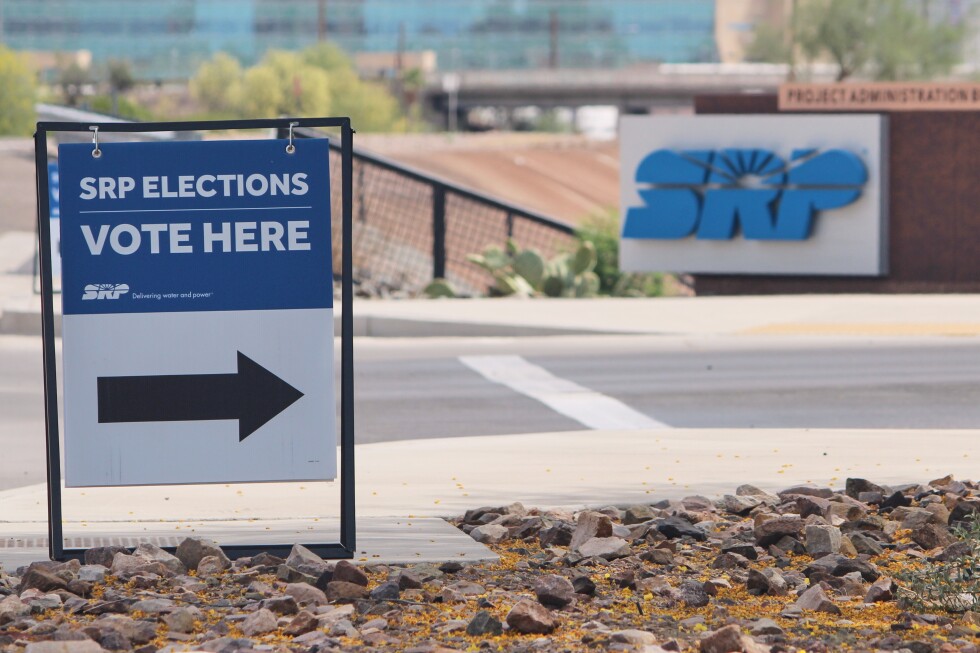
Renewable energy advocates have strengthened their position in the recent election for the Salt River Project (SRP) board, gaining two additional seats to secure an 8-to-6 majority in the Phoenix-area utility’s governing body. Despite these gains, business-backed incumbents retained the critical positions of president and vice president, ensuring they maintain significant influence over the utility’s direction.
The election, which concluded Tuesday, attracted unprecedented voter interest amidst rising household electricity costs and growing concerns about the proliferation of power-hungry data centers in Arizona. The contest highlighted the increasing politicization of utility elections, which have traditionally received minimal public attention.
“We’re a little disappointed by not winning president and vice president, but now we have a majority, so we’re going to have to do a little negotiating,” said Randy Miller, a board member aligned with renewable energy advocates.
The election battle drew national political actors into what would typically be a local governance matter. Turning Point Action, an organization primarily known for mobilizing conservative youth support for former President Donald Trump, entered the fray by characterizing renewable energy advocates as “radical environmentalists.”
At stake in this election is how the nation’s largest public power utility will address the region’s rapidly growing electricity demand. The Salt River Project projects it will need to double its power capacity within the next decade, a forecast driven in part by Arizona’s emergence as a preferred location for data center development.
The rival factions represent starkly different visions for meeting this demand. The business-backed slate, supported by construction firms and data center developers, has advocated for a mixed approach that includes expanding natural gas infrastructure. They argue this strategy is necessary to avoid potential energy shortages and blackouts.
Meanwhile, the “clean energy” slate has pushed for greater investment in renewable energy technologies and shown greater skepticism toward data center expansion. Members of this coalition have previously voted against major natural gas projects proposed by SRP and opposed a rate increase implemented last year.
The election results create a complex governance dynamic for the utility. With clean energy advocates holding a board majority but business-aligned leaders controlling the agenda, both sides will need to find common ground on critical issues including rate structures, energy source priorities, and data center accommodation.
The tension within SRP mirrors broader national debates about energy policy, particularly in states like Arizona that are experiencing rapid population growth and technological development. As data centers continue to proliferate across the Southwest, driven by the expansion of artificial intelligence and cloud computing, utilities face mounting pressure to balance reliability, affordability, and environmental sustainability.
Arizona’s status as a political battleground state has further intensified scrutiny of local governance issues, particularly those related to climate change and energy policy. The SRP election demonstrates how previously under-the-radar utility decisions are increasingly viewed through partisan lenses.
The outcome suggests that while renewable energy advocates have gained influence, they will face practical constraints in implementing their vision. The utility must continue addressing immediate capacity needs while navigating competing demands for lower costs, reduced emissions, and reliable service.
As the newly configured board begins its work, Arizona ratepayers will be watching closely to see how these competing priorities are balanced and whether the forced compromise between the factions produces sustainable solutions for the region’s energy future.
Fact Checker
Verify the accuracy of this article using The Disinformation Commission analysis and real-time sources.

12 Comments
The increasing politicization of these local utility elections is a trend worth watching. While renewable energy advocates have made gains, the continued influence of business-backed incumbents suggests this will be an ongoing battle. Constructive dialogue and pragmatic solutions will be important to navigate the competing priorities.
Absolutely. As the energy landscape evolves, it’s critical that utilities are able to balance the need for reliable, affordable power with the push for more sustainable sources. This will require nuanced policymaking and compromise from all stakeholders.
The results highlight the growing importance of renewable energy in Arizona’s political landscape. While the renewable advocates didn’t achieve a complete victory, their strengthened position could lead to more meaningful dialogue and incremental progress. It will be interesting to see how the two factions navigate the challenges ahead.
You make a fair point. Utility governance is a complex issue with no easy solutions. Balancing the interests of ratepayers, renewable advocates, and industry stakeholders requires careful negotiation and compromise. The road ahead may be bumpy, but constructive engagement is key.
The election results highlight the evolving dynamics around renewable energy in Arizona. While the renewable advocates didn’t get full control, their strengthened position could lead to more constructive dialogue and compromise solutions. It will be important to watch how this plays out in the utility’s decision-making going forward.
Absolutely, the involvement of national political groups in what is traditionally a local issue is quite significant. It speaks to the broader ideological tensions around energy policy that are playing out at the community level.
This is a complex issue with valid arguments on both sides. On one hand, the renewable energy advocates have gained ground and can push for more progressive policies. On the other, the business-backed incumbents still wield significant influence, which could help maintain stability and reliability. It will be interesting to see how they find the right balance.
You raise a good point. Maintaining a reliable and affordable energy supply is crucial, even as the utility transitions towards more renewable sources. Careful management and compromise will be key to achieving that balance.
This election outcome reflects the evolving energy landscape in Arizona. While the renewable advocates gained ground, the business-backed incumbents maintained key leadership roles. Navigating this balance will be critical as the state grapples with rising costs and the increasing demand from data centers. Compromise and pragmatism will be essential to charting the right path forward.
Absolutely. The growing politicization of these local utility elections underscores the high stakes involved. As Arizona confronts its energy challenges, it will be important for all stakeholders to come together in good faith and find solutions that serve the broader public interest.
It’s interesting to see the growing influence of renewable energy advocates in Arizona’s utility governance. While they didn’t secure the top leadership roles, the new majority could drive some positive changes in the utility’s direction. I’m curious to see how the ‘negotiating’ plays out between the two factions.
You’re right, the increased politicization of these local utility elections is noteworthy. It reflects the high stakes involved as Arizona grapples with rising energy costs and the impact of data centers.