


Listen to the article
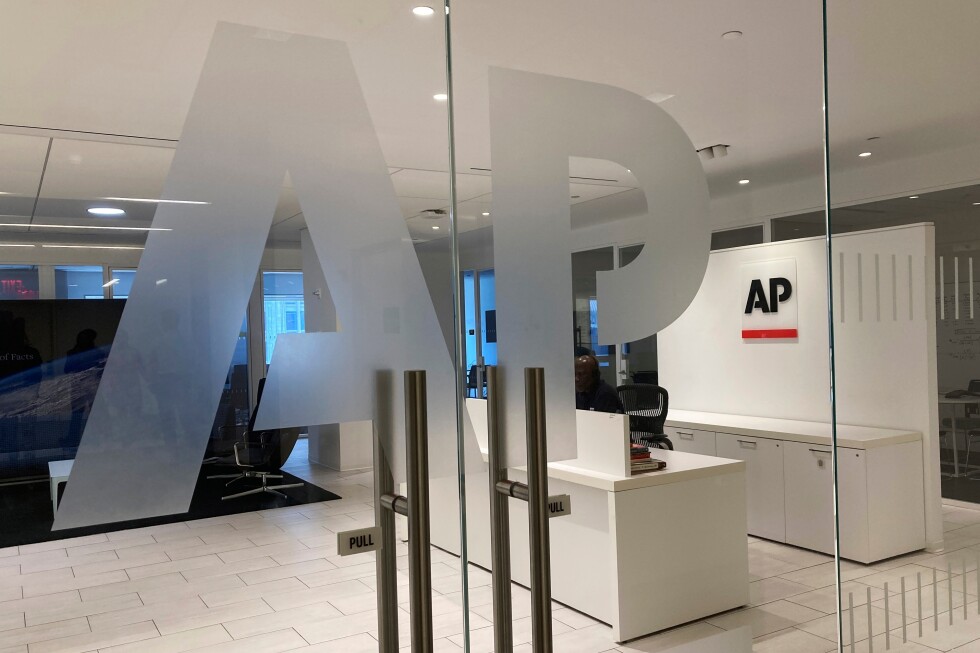
The Associated Press announced Monday it is offering buyouts to an undisclosed number of U.S.-based journalists as part of a strategic shift away from its historical newspaper-focused business model that has sustained the organization since the mid-19th century.
The 175-year-old news agency is accelerating its transition toward visual journalism and developing new revenue streams, particularly through partnerships with technology companies investing in artificial intelligence. This pivot comes as traditional newspaper clients, once AP’s primary revenue source, now account for just 10% of the organization’s income amid the continued decline of print media.
“We’re not a newspaper company and we haven’t been for quite some time,” said Julie Pace, executive editor and senior vice president of the AP, in an interview discussing the changes.
Despite doubling its U.S. video journalist workforce since 2022, the AP has maintained elements of a staffing structure originally designed to provide news content to newspapers and broadcasters in individual states. This structure dates back to the organization’s founding in the 1840s, when New York newspapers banded together to share the costs of reporting beyond their immediate territories.
The exact number of positions to be eliminated remains unclear, partly by design. The AP does not publicly disclose its total journalist headcount, though it maintains a significant global presence alongside its U.S. operations. Pace indicated the organization aims to reduce its global workforce by less than 5%, according to estimates by the Marketing and Media Alliance that put AP’s total staff around 3,700.
Since the current buyouts are being offered exclusively to U.S. journalists, the reduction within that specific workforce will likely exceed 5%. Whether involuntary layoffs follow depends on the number of employees who accept buyout offers. The News Media Guild, which represents AP journalists, had no immediate comment when contacted Monday.
The financial pressures driving these changes are substantial. Over the past four years, AP’s revenue from newspapers has fallen by 25%. Major publishers Gannett and McClatchy dropped their AP subscriptions earlier this year. More recently, Lee Enterprises – publisher of prominent regional newspapers including The Buffalo News, St. Louis Post-Dispatch, and Richmond Times-Dispatch – informed the agency it is seeking an early exit from a contract set to expire at the end of 2026.
Pace emphasized that the buyout plan was already in development before learning about Lee Enterprises’ decision. “We made a decision earlier this year that we needed to be bolder in this transformation,” she said.
Beyond increasing video capabilities, the AP is implementing rapid-response teams where staff members contribute to major stories regardless of their geographic location. The organization is also assigning more journalists to beats focused on breaking news in areas of specific customer interest, while maintaining a commitment to having a presence in all 50 states.
“The AP is not in trouble,” Pace assured. “We’re making these changes from a position of strength but we’re doing so now to recognize our changing customer base.”
That customer base has shifted dramatically, now dominated by broadcast, digital and technology companies – reflecting evolving news consumption patterns. Revenue from technology companies has grown 200% over the past four years, according to Kristin Heitmann, senior vice president and chief revenue officer.
AP has positioned itself at the forefront of media partnerships with AI companies. In 2023, it became one of the first news organizations to strike a deal with OpenAI, leasing portions of its text archive to help develop the company’s AI capabilities. Last year, AP launched on Snowflake Marketplace to license data directly to enterprises building their own systems and established AP Intelligence, a division focused on selling data to financial and advertising sectors.
The organization also secured a contract with Google last year to deliver news through the Gemini chatbot, marking the tech giant’s first such arrangement with a news publisher. “If you can think of a large technology company,” Heitmann noted, “they are a customer of ours.”
Last month, AP further diversified its revenue streams by agreeing to sell U.S. election data to Kalshi, the world’s largest predictions market. The agency’s respected tradition in election data analysis has become another growth area, with a 30% increase in customers between the 2020 and 2024 election cycles, bolstered by ABC, CBS, NBC and CNN joining its service.
While traditionally a wholesaler of news to other organizations, AP has also seen increasing interest in its direct-to-consumer website, APnews.com, which generates revenue through advertising and donations.
AP leadership insists these business developments will not compromise the organization’s fundamental standards of providing fast, accurate, and unbiased news. “If anything, it makes it more important that we retain these values as we make the transition,” Pace said.
The agency is exploring new fact-checking formats, including video, and increasingly putting its journalists in public forums to explain their reporting processes. “I think that authenticity, and the fact that you can associate a real person who is often quite experienced and quite deep on their beats… it builds more credibility,” Pace explained. “We’re really trying to embrace that because I do think it’s vital when there is so much misinformation out there.”
Fact Checker
Verify the accuracy of this article using The Disinformation Commission analysis and real-time sources.

7 Comments
The AP’s strategic shift is an acknowledgment of the digital transformation sweeping the media industry. Embracing new formats and revenue streams is essential for legacy organizations to survive. I’m interested to see how they balance innovation with their existing operations.
Buyouts are never easy, but AP recognizing the need to adapt is a positive sign. Newspapers may be in decline, but journalism remains vital. Curious to see how AP’s focus on visual media and tech partnerships develops over time.
You make a good point. Maintaining quality and journalistic integrity will be crucial as AP transitions its operations.
AP has a long, storied history as a wire service, but it’s clear the industry is evolving. Diversifying into new formats and technologies seems like a prudent move to stay relevant. Buyouts can be tough, but change is often necessary.
AP’s pivot towards visual journalism and AI is a smart move to stay relevant in the modern media landscape. Newspapers may be declining, but the need for high-quality news reporting remains. I hope they can navigate this transition successfully.
Interesting to see AP adapting to the changing media landscape. Pivoting towards visual journalism and AI-powered content makes sense as newspapers decline. Curious to see how they’ll balance legacy operations with new revenue streams.
This transition for AP reflects broader challenges facing traditional journalism. Shifting towards visual and AI-driven content is understandable, though I hope they can maintain quality and objectivity during the pivot. Curious to see what new revenue models emerge.