


Listen to the article
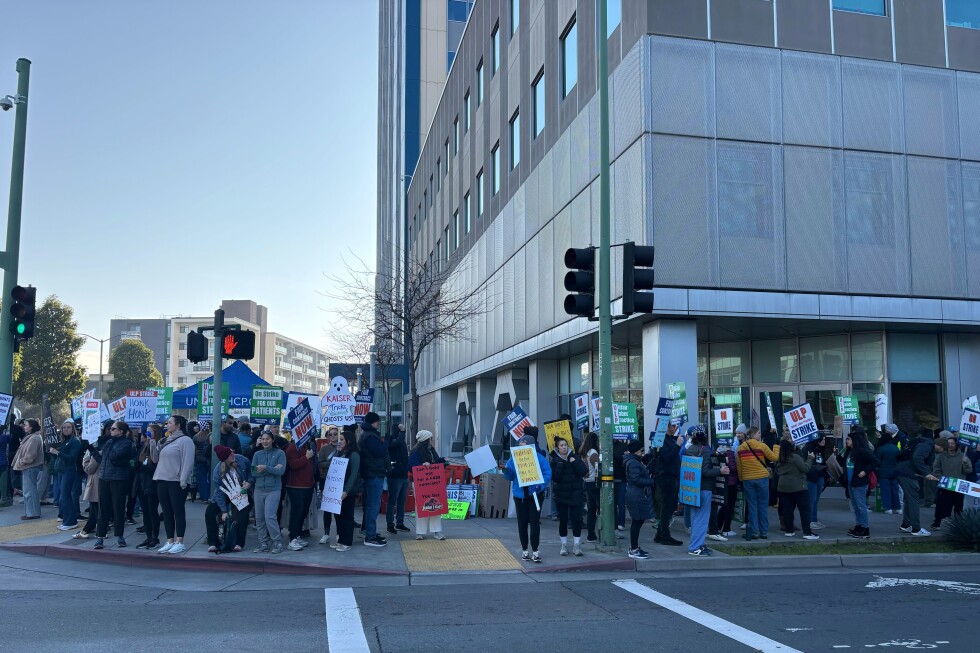
Approximately 31,000 Kaiser Permanente healthcare workers in California and Hawaii initiated an indefinite strike this week, demanding improved wages and staffing conditions from the healthcare provider.
The walkout, which began Monday, represents the second major labor action in recent months by members of the United Nurses Associations of California/Union of Health Care Professionals. A previous five-day strike in October had temporarily resumed negotiations, but discussions collapsed in December.
Union officials claim Kaiser has refused to return to national bargaining discussions. “We will continue to push Kaiser to stop their egregious unfair labor practices against the frontline workers who deliver the best care for their patients and billions in profit to do the right thing, and come back to the table to bargain in good faith,” the union’s bargaining committee stated.
Kaiser Permanente counters that the union had already agreed to resume local bargaining despite proceeding with the strike. The healthcare provider says it suspended national negotiations last month following what it characterized as threatening behavior from a union official.
“Illegal threats are a line that cannot be crossed,” said Greg Holmes, Kaiser’s chief human resources officer. “This union official’s actions have compromised the national bargaining process and undermined both parties’ ability to continue good-faith bargaining.”
The striking workers, including registered nurses, pharmacists, midwives, and rehabilitation therapists, argue their compensation has failed to keep pace with inflation while staffing levels remain insufficient to meet patient needs. Their demands include a 25% wage increase over four years, which they say would address pay that lags at least 7% behind industry peers.
Kaiser has offered a 21.5% increase over the same period. The healthcare giant maintains that its union employees currently earn approximately 16% more than comparable workers elsewhere and that meeting the strikers’ demands would necessitate higher costs for patients and members.
Staffing issues represent another critical concern. Arezou Mansourian, a physician assistant on the union’s bargaining team, told the San Francisco Chronicle that Kaiser has struggled with retention and recruitment, directly affecting patient care. Medical personnel have been leaving for better-paying positions at other area hospitals, she noted.
Mansourian emphasized that while the strike creates temporary difficulties, it serves the long-term interests of patients. “We know it’s a pain right now, but it’s so that we can take care of you better in the future,” she told the Chronicle.
Kaiser Permanente has assured patients that its health clinics and hospitals will remain operational during the strike, though some adjustments are being implemented. These include converting certain in-person appointments to virtual consultations and rescheduling some elective procedures.
This labor dispute affects one of America’s largest healthcare systems. Kaiser Permanente, headquartered in Oakland, California, operates as a non-profit health plan serving 12.6 million members across approximately 600 medical offices and 40 hospitals, primarily in western states.
The Kaiser strike occurs amid increased healthcare labor activism nationwide. In New York City, approximately 15,000 nurses who recently conducted their own walkout have returned to negotiations. The New York State Nurses Association confirmed that contract talks have resumed with three affected private hospital systems: Montefiore, Mount Sinai, and New York-Presbyterian.
Healthcare labor disputes have intensified post-pandemic as medical professionals cite burnout, inadequate staffing, and compensation that hasn’t matched rising inflation. Industry analysts note these strikes reflect broader tensions in American healthcare, where providers face pressures to control costs while workers demand recognition for their essential services, particularly after the extraordinary demands placed on them during the COVID-19 crisis.
The ongoing Kaiser strike could have significant implications for healthcare delivery in affected regions if a resolution isn’t reached soon, potentially creating longer wait times for non-emergency services and adding strain to an already stressed healthcare system.
Fact Checker
Verify the accuracy of this article using The Disinformation Commission analysis and real-time sources.

10 Comments
The healthcare industry has faced immense challenges during the pandemic. While strikes can disrupt services, workers have legitimate needs that must be addressed. I hope Kaiser and the union can reach an agreement that supports frontline staff and ensures quality patient care.
That’s a good point. The pandemic has put enormous strain on healthcare workers, so it’s understandable they are fighting for better working conditions. Hopefully cooler heads can prevail and they find a solution that works for everyone.
While strikes in healthcare can be disruptive, the workers’ concerns over wages and staffing conditions are understandable. Kaiser should carefully consider the union’s position and work to find a fair compromise that addresses the needs of both the workers and the company.
This is a challenging situation, as healthcare strikes can have significant impacts on patient care. However, the workers’ concerns over wages and staffing seem justified. Kaiser needs to engage constructively with the union to find a compromise that meets the needs of both sides.
This sounds like a complex labor dispute between Kaiser Permanente and its healthcare workers. Both sides have valid concerns – workers want fair wages and staffing, while Kaiser needs to control costs. Hopefully they can find a reasonable compromise through good-faith negotiations.
You’re right, these kinds of labor disputes can be tricky to resolve. It’s important that both sides approach the negotiations constructively and try to find a middle ground.
Labor disputes in the healthcare sector are always concerning, as they can impact vulnerable patients. However, the workers’ demands for improved wages and staffing seem reasonable given the industry’s profitability. I hope both sides can compromise to end this impasse.
Agreed. While patient care should be the top priority, the workers also deserve fair compensation and manageable workloads. With some good-faith negotiations, I’m optimistic they can reach an agreement that addresses the needs of all stakeholders.
It’s disappointing to see this strike action, but the workers have a valid case. Healthcare is a high-stress, high-stakes industry, and frontline staff deserve adequate support. Kaiser should carefully consider the union’s demands and work to find a mutually beneficial resolution.
Labor disputes in the healthcare sector are always concerning, but the workers’ demands appear reasonable. Kaiser should strive to negotiate in good faith and reach an agreement that supports its frontline staff while maintaining high-quality patient care.