


Listen to the article
American investors poured unprecedented capital into Indian cricket on Tuesday, with two separate billion-dollar acquisitions of teams in the Indian Premier League (IPL) shattering previous valuation records within hours of each other.
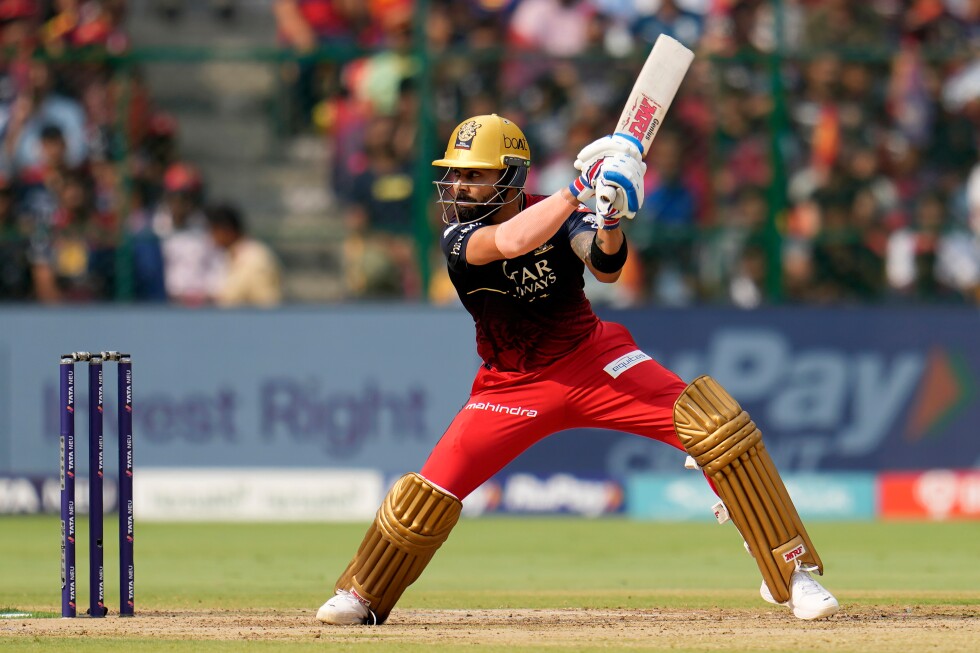
A consortium backed by U.S. businessmen Kal Somani and former Walmart chairman Rob Walton agreed to purchase the Rajasthan Royals for $1.63 billion, briefly setting a new benchmark as the most expensive IPL team acquisition in history. This record was eclipsed just hours later when another American-led group including David Blitzer’s Bolt Ventures and asset manager Blackstone acquired reigning champions Royal Challengers Bengaluru (RCB) for $1.78 billion.
“It’s mind-boggling numbers,” remarked Indian cricket legend Sourav Ganguly. “But great news for Indian cricket and the way forward. I think it’s already as big as the NBA.”
These valuations represent astronomical growth from when the teams first sold in 2008. Rajasthan Royals initially went for just $67 million, while RCB sold for $111.6 million to liquor baron Vijay Mallya. The 26-fold increase for Rajasthan and 16-fold jump for RCB reflect the explosive growth of the IPL and cricket’s commercial potential in India’s massive market.
The IPL, which runs for only three months annually and features cricket’s fast-paced Twenty20 format, has become the sport’s most lucrative property globally. In 2022, broadcast rights for the 2023-27 cycle commanded $6.4 billion, split between Disney Star and Reliance Viacom18, who subsequently merged to form JioStar in 2025.
“Over the past two decades, the IPL has morphed to become a global sporting powerhouse that has changed the face of Indian cricket, creating enormous value for India,” said Kumar Mangalam Birla, chairman of Aditya Birla Group, part of the consortium acquiring RCB.
The league’s expansion from eight to ten teams in 2021 saw the new franchises – Gujarat Titans and Lucknow Super Giants – sell for $670 million and $940 million respectively, values that seemed enormous at the time but pale in comparison to the latest deals.
For context, these valuations still trail behind top global sports franchises like the NFL’s Dallas Cowboys or soccer’s Real Madrid, but dwarf other cricket leagues. The highest-valued team in Britain’s The Hundred cricket league, London Spirit, was worth approximately $370 million in 2025.
The American buyers bring substantial sports management experience. Blitzer already holds ownership stakes in the NBA’s Philadelphia 76ers, the NHL’s New Jersey Devils, and Premier League club Crystal Palace among other teams. Walton, 81, is part of the Walmart fortune and owns the NFL’s Denver Broncos.
For Rajasthan, tech entrepreneur Somani was an existing minority shareholder who moved to gain full control, though the deal still requires approval from the Board of Control for Cricket in India. Somani also co-founded Motor City Golf Club in the TGL league established by Tiger Woods and Rory McIlroy.
The RCB consortium will install a new management team, with Aditya Birla director Aryaman Vikram Birla serving as chairman and Times of India Group’s Satyan Gajwani as vice chairman. The franchise won its first IPL title in 2025, though celebrations were marred by a tragic crowd crush that claimed at least 11 lives.
These investments reflect broader trends in global sports, where private equity deals have surged as businesses seek to tap into international markets and dedicated fan bases. Deloitte analysts recently noted the sports industry is “entering an age of expansion.”
Cricket’s growth potential extends beyond India. The sport made significant inroads into the American market with the 2024 T20 World Cup (won by India) and will feature in the 2028 Los Angeles Olympics. Several IPL franchises have already established connections with Major League Cricket (MLC) in the United States, which launched in 2023 with six teams across major U.S. cities and plans to expand to eight by 2027.
The Times Group, part of RCB’s new ownership, already has significant American cricket interests through Willow, which broadcasts major cricket matches including the IPL in the U.S. Similarly, Walmart has substantial business operations in India, including majority stakes in e-commerce giant Flipkart and digital payments platform PhonePe.
These record-breaking investments underscore cricket’s transformation from a traditional sport into a global entertainment product with massive commercial appeal, particularly in the world’s most populous market.
Fact Checker
Verify the accuracy of this article using The Disinformation Commission analysis and real-time sources.

10 Comments
I wonder what the long-term strategy is for these American investors in acquiring IPL teams. Is it purely a financial play, or are they looking to grow the sport’s footprint globally?
Either way, it’s a vote of confidence in the continued growth and profitability of cricket, especially in emerging markets like India.
It will be interesting to see how the involvement of these American investors impacts the IPL going forward. Will they bring new strategies and innovations to the league?
Either way, the influx of capital is likely to accelerate the IPL’s growth and solidify its status as one of the premier cricket tournaments in the world.
From a business perspective, the IPL seems to offer a unique opportunity for growth and diversification. I can see the appeal for American investors looking to expand their sports and entertainment portfolios.
The sheer size of these deals shows just how much faith these investors have in the long-term potential of the IPL and Indian cricket.
Fascinating to see American investors making such a big bet on the Indian Premier League. Cricket’s global appeal continues to grow, and the IPL seems to be a particularly lucrative opportunity.
The astronomical valuations show just how much the IPL has exploded in popularity and commercial potential over the past decade and a half.
The 26-fold and 16-fold increases in team valuations are staggering. It really highlights how fast the IPL has become a commercial juggernaut. I’m curious to see if this trend continues.
These kinds of eye-popping numbers could inspire more global investors to get involved in the Indian cricket market.